Table of Contents (9 sections)
Embarking on the journey of becoming a successful artist is not just about talent; it's about commitment, learning, and strategic planning. This guide will walk you through the essential steps you need to take in order to thrive in your artistic endeavors.
1. Define Your Artistic Vision
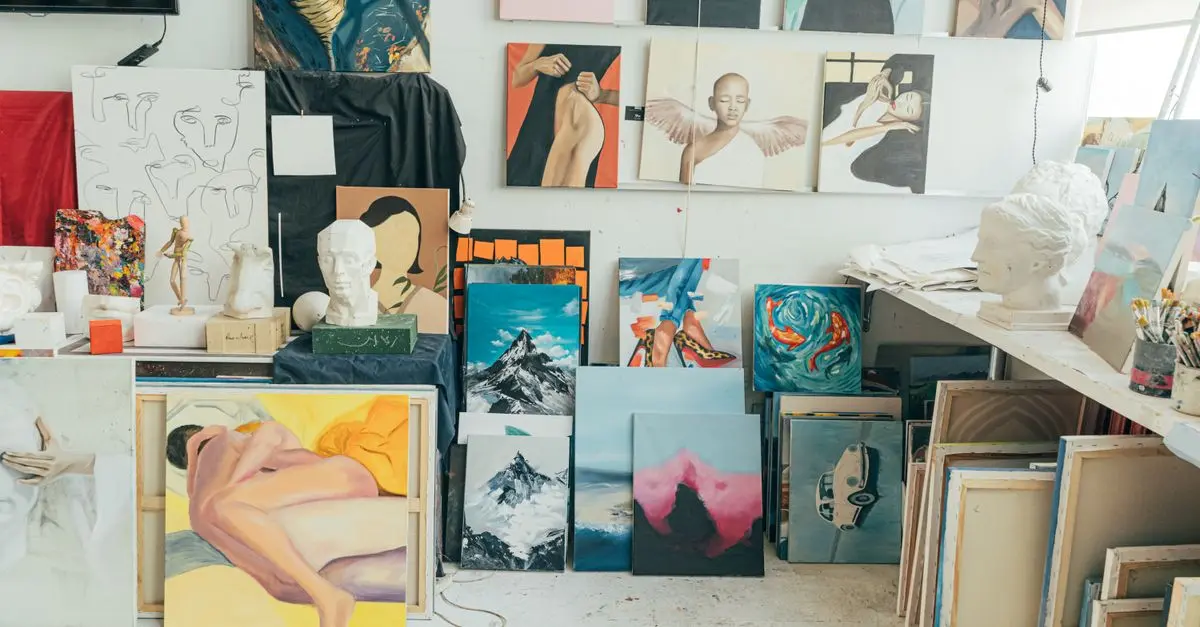
The first step to becoming a successful artist is defining your artistic vision. This involves understanding what you want to express through your art. Ask yourself questions like: What themes resonate with me? What emotions do I want to evoke? Your vision will serve as the foundation for your work. Many artists find it useful to create a mood board, which visually represents your ideas and inspirations. For example, if you are interested in abstract art, gather images, colors, and forms that excite you.
A clear artistic vision will not only guide your creative process but also help you communicate your ideas effectively to your audience.
2. Hone Your Skills
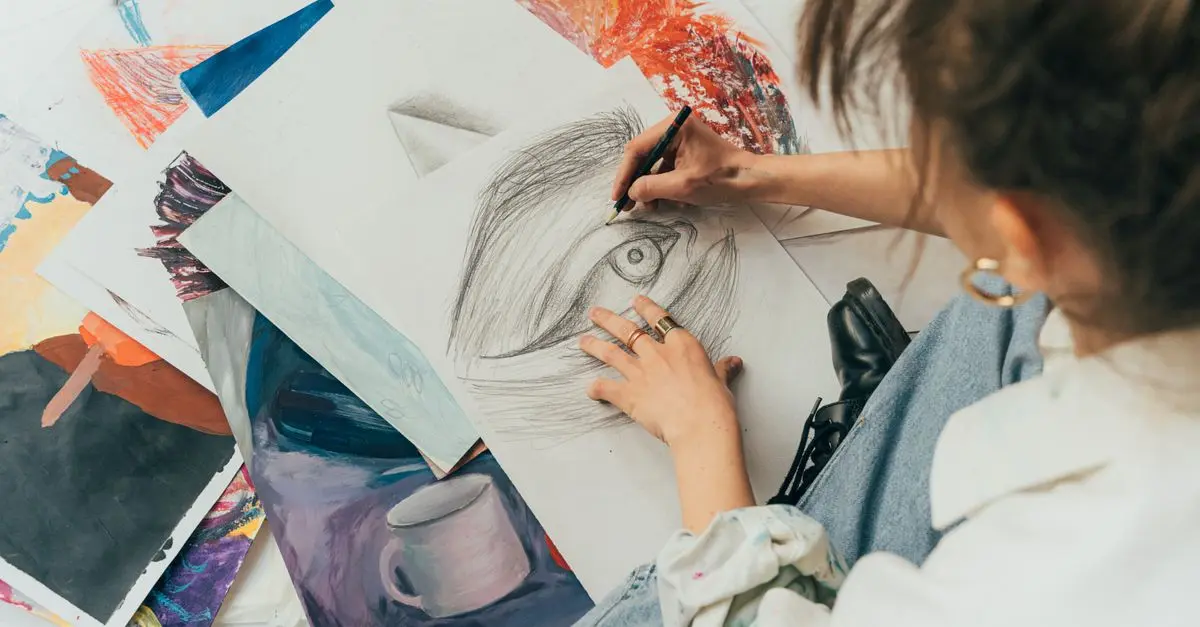
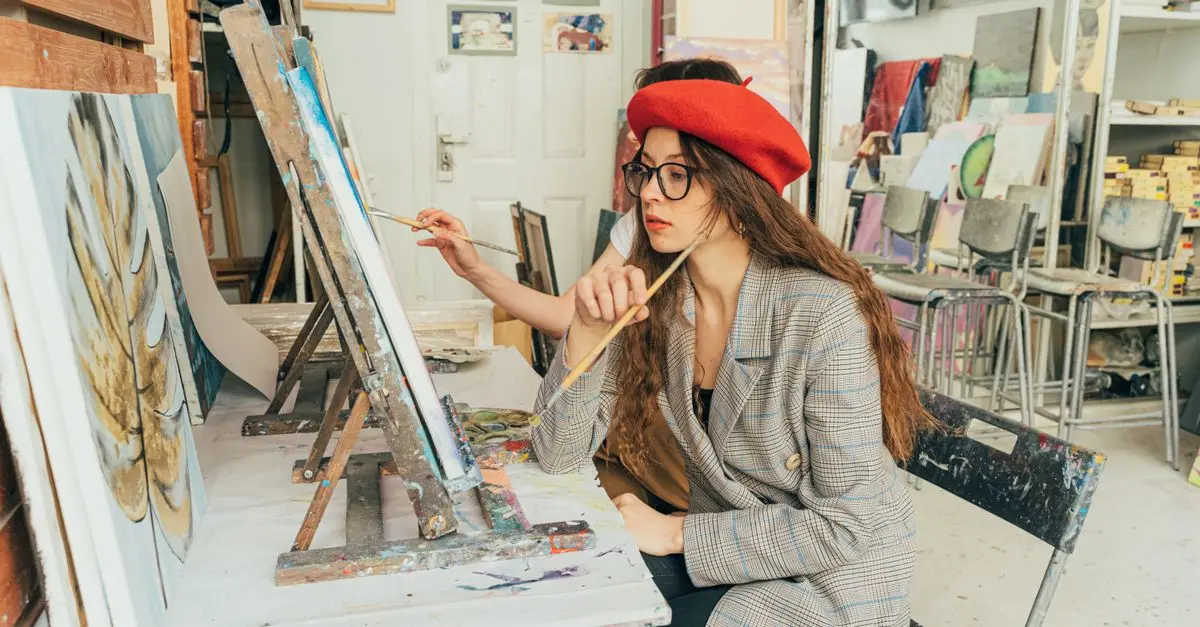
The next essential step is to hone your skills. Even inherently talented individuals must dedicate time and effort to improve their craft. Enroll in workshops, attend art classes, or take online tutorials to learn various techniques and styles. For instance, if painting is your choice of medium, consider exploring different styles such as Impressionism or Cubism.
Art is about practice. For every famous artist, there are countless hours spent developing their techniques. Try to set aside a specific block of time each week to practice—consistency is key. Set personal challenges that push you outside your comfort zone, leading to growth and discovery.
3. Create a Portfolio
Having a strong portfolio is crucial for showcasing your work and attracting potential clients or employers. Your portfolio should not just be a collection of your best works, but also demonstrate a range of skills and styles. Aim to curate 10-15 pieces that represent your artistic vision, processes, and capabilities.
When compiling your portfolio, consider including:
- High-quality images of your works
- Details about your artistic process
- Statements on individual pieces to convey your intent and thoughts.
A well-organized portfolio can entice galleries and clients, leading to greater opportunities.
4. Network with Other Artists and Professionals
Networking is often overlooked, but it is a crucial step in your journey. Join art communities, attend gallery openings, and participate in workshops to connect with fellow artists and industry professionals. Building relationships within the art world can lead to collaborations, exhibitions, and valuable feedback.
Consider utilizing social media platforms like Instagram and Pinterest to showcase your work and engage with other artists. Collaborative projects with peers can also enhance your exposure and learning experience. Remember, successful artists often build on each other's strengths, so don’t hesitate to seek constructive criticism and advice.
5. Market Your Art
The final step involves marketing your art. In today’s digital age, utilizing online platforms can greatly expand your reach. Create an informative website where potential clients can view your portfolio, read your artist statement, and contact you for commissions or inquiries.
Social media marketing is also essential. Engage with your audience by sharing behind-the-scenes content, discussing your creative process, and announcing upcoming exhibitions. Keep in mind that authenticity is key. Share your journey—the successes as well as the challenges. This transparency can foster a loyal following. For example, many successful artists regularly post progress shots of their work or make videos discussing their inspirations.
Checklist before starting your artistic journey:
- [ ] Define your artistic vision
- [ ] Dedicate time to practicing and honing your skills
- [ ] Curate your portfolio thoughtfully
- [ ] Attend networking events and stay active in art communities
- [ ] Establish your online presence through a professional website and social media
📺 For further exploration:
[Explore the journey of a successful artist in this compelling video], providing tips and insights on effective strategies and practices. Search for: "how to become a successful artist" on YouTube.
Glossary
| Term | Definition |
|---|---|
| Artistic Vision | The core ideas and themes that guide an artist's work and creative decisions. |
| Portfolio | A curated collection of an artist's best works used to showcase their skills and style. |
| Networking | The process of developing relationships and connections within the art community to foster collaboration and opportunities. |
> 🧠 Quick Quiz: What is the most important step in becoming a successful artist?
> - A) Creating a portfolio
> - B) Networking
> - C) Defining an artistic vision
> Answer: C — Defining your artistic vision is crucial as it serves as the foundation for all your work.
📺 Pour aller plus loin : how to become a successful artist sur YouTube