Table of Contents (13 sections)
What is an Artistic Mindset?
To truly understand how to cultivate an artistic mindset, we need to start with a definition. An artistic mindset encompasses the attitude and approach one takes towards creativity and artistic expression. It involves being open to new ideas, willing to take risks, and viewing failures as opportunities for growth.
In the context of art, this mindset promotes a sense of playfulness, allowing artists to experiment freely. According to the American Psychological Association, creativity can be nurtured through specific practices and habits, which highlights the importance of developing an artistic mindset.
The artistic mindset is not just about the act of creating; it also involves nurturing your thoughts and emotions, enabling you to contribute meaningfully to the artistic community.
Step 1: Embrace Curiosity
Curiosity is the cornerstone of an artistic mindset. By embracing curiosity, you can explore varying artistic styles, techniques, and mediums. Start by dedicating a few minutes each day to research artists you admire or pioneering styles in the art world. Engage with local galleries or online platforms where artists share their work.
According to a 2019 study published in the Journal of Creative Behavior, individuals who actively pursue curiosity exhibit heightened creative problem-solving skills. This is because curiosity pushes you to explore the unfamiliar, expanding your creative boundaries.
Consider keeping a curiosity journal where you jot down questions that intrigue you about the art world. Challenge yourself to pursue answers to these questions, allowing your curiosity to guide you into new artistic territories.

Step 2: Develop a Routine
A consistent routine is essential for cultivating an artistic mindset. Establishing a dedicated time for artistic practice helps create a disciplined approach to creativity. It’s essential to carve out specific time slots in your schedule for art-making, even if it's just 30 minutes a day.
A survey by ArtData found that artists who maintained a daily practice felt more connected to their work and produced 30% more than those who did not. Find a routine that works for you, whether in the morning when your mind is fresh or at night when you unwind.
Consider incorporating a mix of techniques: warm-up exercises, projects, or spontaneous doodling. This diversity will keep your practice exciting while fostering a habit of creativity.
Step 3: Seek Feedback and Collaborate
Feedback is a crucial element of artistic development. Engage with your peers or join an art group to share your work and receive constructive criticism. Collaboration is equally valuable; working with other artists can introduce fresh perspectives and techniques.
A study by The Royal Society shows that collaborative work can lead to higher-quality outcomes and increased innovation in art. Hosting or participating in critique sessions can help you develop a more refined perspective on your own work and others'.
When seeking feedback, aim for both positive reinforcement and constructive criticism. Assess what resonates with you and what could be improved. Remember, collaboration can lead to unexpected outcomes and inspire new ideas that may not have emerged during solitary creation.
Step 4: Learn from Failure
Failure is not the end; it’s a stepping stone to growth. An artistic mindset embraces mistakes as part of the creative process. Renowned artist Jackson Pollock faced criticism and failure before his methods gained recognition. His path illustrates that every misstep is a chance to learn something new.
To better cultivate resilience, regularly assess your work and confront areas where you believe improvement is needed. Psychological Flexibility is vital here—it allows you to adapt and innovate from setbacks. Set up a ‘failure log’ where you document what didn’t work, why, and lessons learned.
This approach will not only enhance your artistic skills but will build your confidence over time, cultivating a robust mindset that thrives on growth.
Step 5: Create an Inspiring Environment
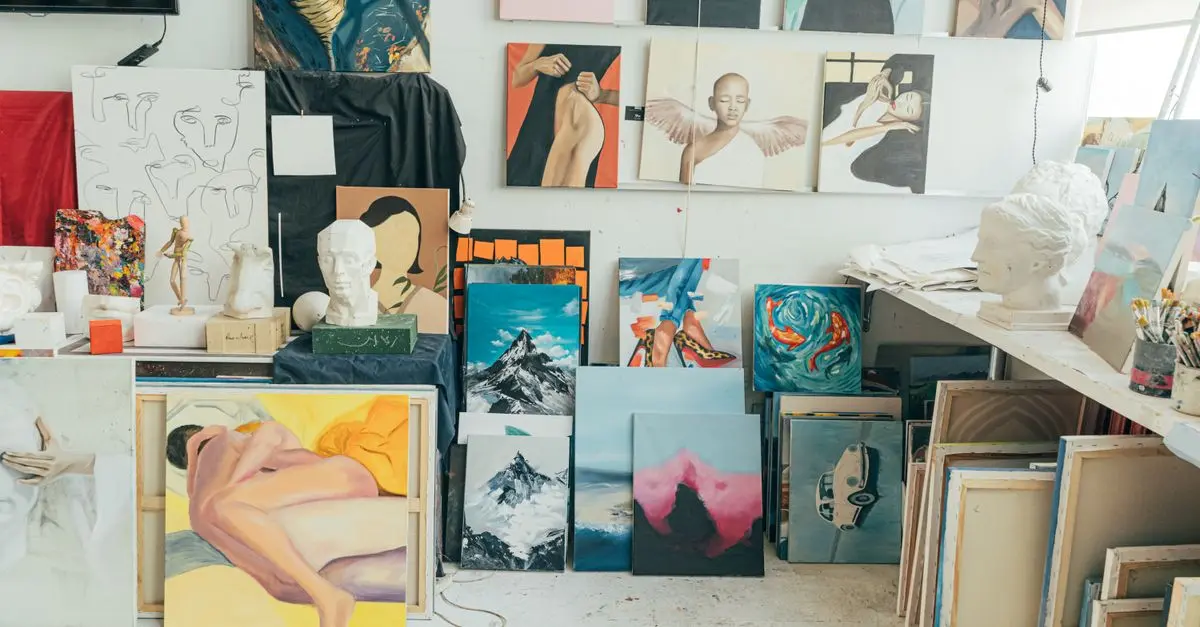
The space where you create significantly affects your artistic mindset. Surround yourself with inspiration—whether it be artwork, quotes, color palettes, or natural elements. A well-curated environment can stimulate creativity and enhance focus.
Consider a study conducted by Harvard University which indicated that environments tailored to individual needs can lead to improved creativity and productivity. Personalize your workspace to reflect your artistic journey.
Implement organization systems that work best for your workflow, making it easy to access materials and reference your sources of inspiration. Remember, a cluttered space can mirror a cluttered mind.
Checklist
- [ ] Embrace curiosity through research and exploration.
- [ ] Set a consistent routine for daily artistic practice.
- [ ] Engage with peers for feedback and collaboration.
- [ ] Document and learn from failures.
- [ ] Cultivate a creative environment that inspires you.
Glossary
| Term | Definition |
|---|---|
| Artistic Mindset | A way of thinking that embraces creativity, curiosity, and flexibility. |
| Psychological Flexibility | The ability to adapt thoughts and behaviors to different situations. |
| Creative Environment | A workspace or area that inspires artistic expression and innovation. |
> 🧠 Quiz rapide: What is crucial for developing an artistic mindset?
> - A) Rigid thinking
> - B) Embracing curiosity
> - C) Avoiding feedback
> Réponse : B — Embracing curiosity opens doors to creativity.
📺 For further exploration: [How to Cultivate Creativity in Your Art], a comprehensive analysis of enhancing your artistic mindset. Search on YouTube: "cultivating creativity in art".
Recommended Products
- Artistic Mastery with MidJourney: This resource provides extensive methods and techniques for exploring your artistic capabilities and enhancing your practice.
Conclusion
Cultivating an artistic mindset is a journey and may not happen overnight, but with intentional practice, you can nurture a fertile ground for creativity to flourish. Embrace curiosity, develop a routine, seek collaboration, learn from your setbacks, and create an inspiring environment to support your growth. Now, take action and start your artistic journey today!
📺 Pour aller plus loin : cultivating creativity in art sur YouTube
Recommended products
Selected by our experts
Artistic Mastery with MidJourney
Alison US CA
This product helps artistically inclined individuals master techniques and foster an environment conducive to creativity.