Table of Contents (18 sections)
Developing a unique artistic style is essential for any aspiring artist. It allows you to express your individuality and stand out in a crowded field. In this comprehensive guide, we will explore various methods and practices to help you cultivate an artistic style that reflects your vision and voice.
Step 1: Understand Your Influences
Discover Your Artistic Roots
To develop a unique artistic style, it's crucial to understand what influences you. Take the time to analyze various artists and styles that resonate with you. Consider what elements you are drawn to — is it the color palettes, brushwork, or subject matter? Create a visual mood board by compiling images from different sources such as art books, online galleries, and social media.
Consider the following tips:
- Identify key influences: List your favorite artists and what aspects of their work you admire.
- Explore various styles: Don’t limit yourself to just one genre. Experiment with different techniques and mediums to see what sparks joy.
- Reflect on your emotions: How do certain artworks make you feel? Use those emotions to inform your style.
This exploration phase is fundamental; it sets a strong foundation for your artistic direction.
Step 2: Experimentation Is Key
A Hands-On Approach to Style Development
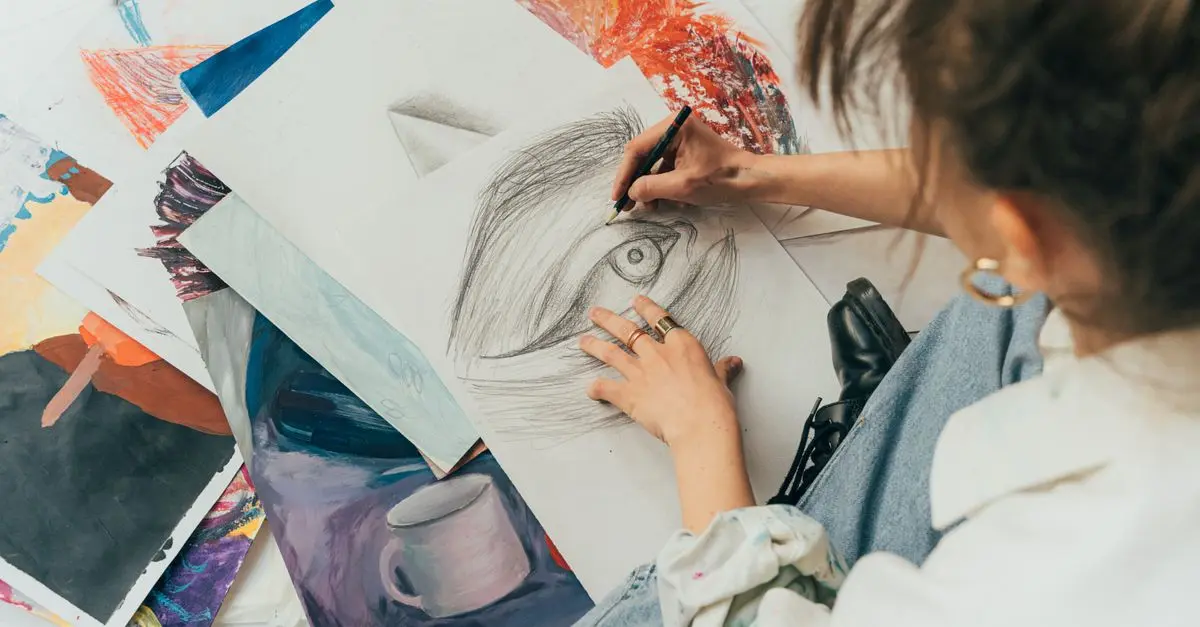
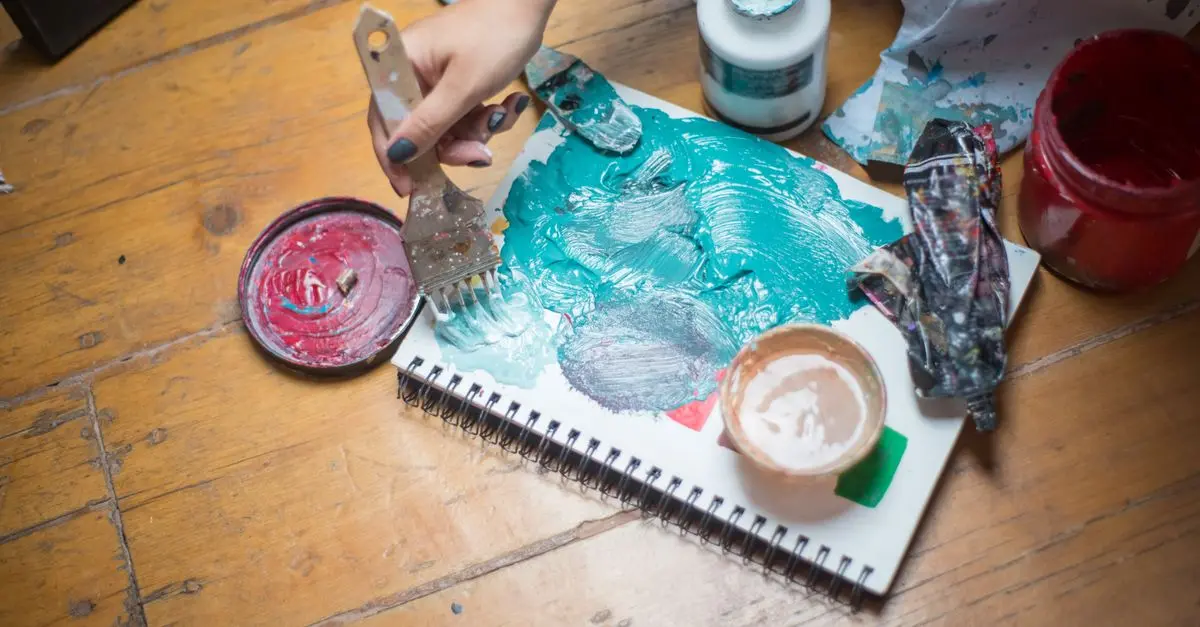
Now that you've identified your influences, it’s time to experiment. Engage in different artistic practices without the pressure of creating a “final product.” This could include painting with unusual color combinations or trying out mixed media. Keep in mind that art is about exploration.
Tips for successful experimentation:
- Set aside time for practice: Dedicate specific periods during your week solely for exploration. Don’t worry about the outcome; focus on the process.
- Keep a journal: Document your experiments and reflect on what materials and techniques you enjoyed. This record can be invaluable in recognizing patterns in your preferences.
- Incorporate feedback: Share your experimental pieces with trusted friends or mentors. Their perspective can provide valuable insights.
Through experimentation, you will start to uncover elements that resonate with your unique style.

Splicing New Long Sleeved Shirt For Men, Fashionable And Versatile, Artistic And Casual Loose Top
Voghion Global
Step 3: Define Your Artistic Voice
Find What Makes You Unique
Having explored various influences and techniques, it's time to define your artistic voice. Your voice is the message you want to convey through your art. It is crucial for creating a cohesive body of work.
Here’s how to refine your voice:
- Articulate your message: What themes and subjects do you want to explore? Consider writing down your artistic mission statement.
- Create a series: Develop a series of artworks that reflect your newfound style. This helps reinforce your voice and engages your audience. Even if it’s only a small series of 3-5 pieces, it can reveal your style.
- Stay authentic: Be true to yourself. Your style should resonate with who you are as a person and artist.
Establishing a clear artistic voice will help resonate with your audience and create a loyal following.
Step 4: Consistency and Practice
Building Upon What You’ve Learned
Once you have a clearer vision of your artistic style, begin practicing consistently. Consistency allows you to refine your technique and deepen your understanding of your chosen media.
Consider the following:
- Set goals: Aim to complete a certain number of artworks each month to keep the momentum going.
- Join workshops or classes: Engage with other artists and expand your technical skills under the guidance of professionals.
- Always seek improvement: Don’t hesitate to challenge yourself with new projects or styles. It always contributes to growth.
By practicing regularly, you'll enhance your artistic skills and solidify your unique style.
Step 5: Seek Constructive Criticism
Feedback Is Vital
As you develop your unique style, don’t forget that feedback is crucial. Constructive criticism can help identify strengths and areas for improvement. Seek out critique groups or workshops where you can share your work with others.
Tips for effective feedback:
- Choose your critics wisely: Select individuals who are knowledgeable and supportive.
- Stay open-minded: Be willing to hear different perspectives and suggestions.
- Evaluate the feedback: Use feedback wisely; not all critiques will fit your artistic vision. Take what resonates and discard the rest.
This step can greatly enhance your growth and understanding of your work.
Step 6: Share Your Work
Building Your Audience
Finally, once you feel confident in your unique artistic style, it’s time to share it with the world. Utilize platforms like social media, online galleries, or even local exhibitions to showcase your art. Building an audience is an important aspect of being an artist.
Tips for sharing your work:
- Create an online portfolio: This serves as a space to showcase your body of work. Ensure it reflects your unique style.
- Engage with your audience: Use social media to foster connections with fans and other artists. They can offer valuable feedback and support.
- Participate in exhibitions: Local art shows can provide great exposure for budding artists.
Sharing your work will not only solidify your identity as an artist but also foster connections and new opportunities.
Checklist for Developing Your Unique Artistic Style
- [ ] Identify your artistic influences.
- [ ] Experiment with various techniques and mediums.
- [ ] Define your artistic voice and themes.
- [ ] Establish a consistent practice schedule.
- [ ] Seek constructive criticism from peers.
- [ ] Share your work through various platforms.
Glossary
| Term | Definition |
|---|---|
| Artistic Style | A distinctive manner of expression in art characterized by specific techniques and themes. |
| Influences | Elements that inspire an artist's work, including other artists, cultures, and personal experiences. |
| Artistic Voice | The unique expression and message conveyed through an artist's work, reflecting their thoughts and feelings. |
> 🧠 Quiz rapide : What is the first step in developing your unique artistic style?
> - A) Experiment with techniques
> - B) Understand your influences
> - C) Share your work
> Réponse : B — Understanding your influences is the critical starting point for cultivating your unique style.
📺 Ressource Vidéo
> [How to Find Your Unique Artistic Style], a complete analysis of developing an individual style as an artist. Look for it on YouTube: how to develop unique artistic style 2026.
Conclusion
Your journey to developing a unique artistic style is continuous and evolving. Embrace the process, continuously seek inspiration, and remain true to yourself. If you've made it this far, you're more than ready to unleash your creativity. Remember, every artist has their path — and yours is yours alone.
Explore our recommendations below to enhance your artistic journey.
📺 Pour aller plus loin : how to develop unique artistic style 2026 sur YouTube
Recommended products
Selected by our experts
Splicing New Long Sleeved Shirt For Men, Fashionable And Versatile, Artistic And Casual Loose Top
Voghion Global
This shirt can be a great addition to an artist's wardrobe, offering comfort and style while working on projects.