Table of Contents (13 sections)
Starting an artistic journey can be an exhilarating yet daunting task. Whether you're a seasoned creator or a complete beginner, embarking on this journey requires careful planning and passion. In this article, we will explore 10 essential steps to help you kickstart your artistic journey effectively.
1. Discover Your Artistic Passion
Finding your artistic passion is the first step in this journey. Ask yourself, what excites you the most? Is it drawing, painting, crafting, or digital design? Define your unique interests, and allow them to guide your development as an artist. According to a survey by Artfinder, 78% of artists believe that discovering their true passion was crucial in shaping their artistic voice. Reflect on your experiences, and explore different mediums until you find the one that speaks to you most.

Splicing New Long Sleeved Shirt For Men, Fashionable And Versatile, Artistic And Casual Loose Top
Voghion Global
2. Create a Dedicated Workspace
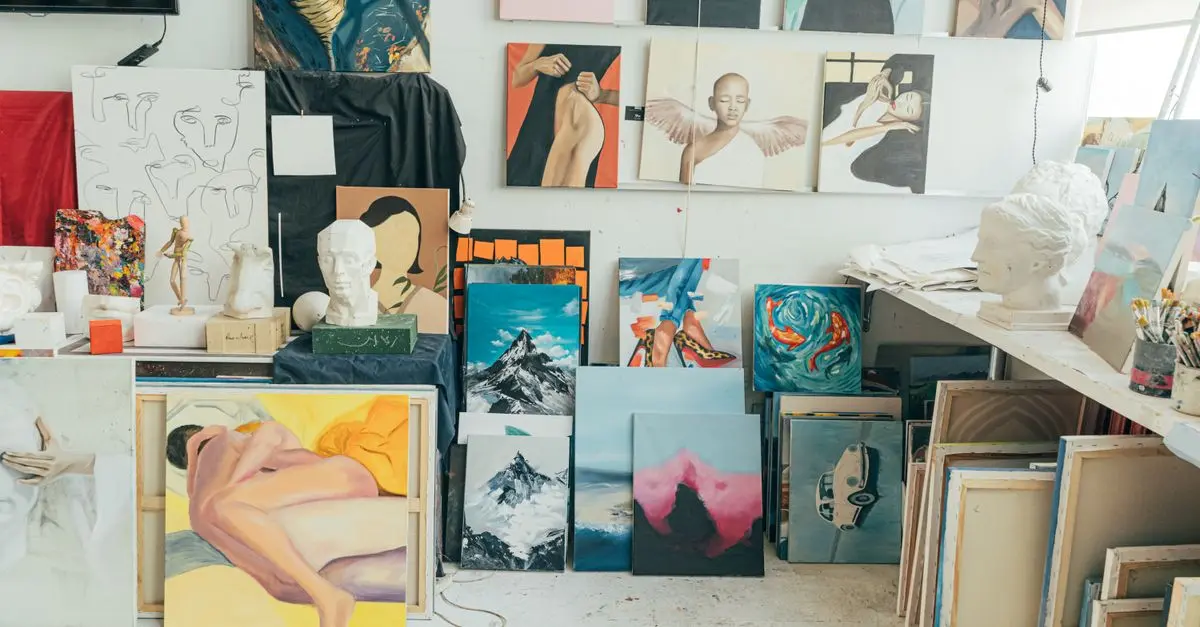
Your workspace plays a crucial role in fostering creativity. Whether it’s a corner in your home or a full studio, having a dedicated area for your artistic practice can help you concentrate and cultivate your craft. Ensure that your space is tidy, well-organized, and filled with natural light. According to research by UCL, a comfortable workspace can enhance creativity and productivity by up to 10%. Make it a sanctuary where inspiration flows freely.
3. Gather the Right Tools
You don’t need to start with expensive equipment, but having the right tools can significantly influence your practice. Depending on your chosen medium, you might need brushes, canvases, digital software, or sewing supplies. We’ve selected several products that can help you get started, ensuring you have the essentials to unleash your creativity. Remember, quality tools can improve your art's outcome and enhance your overall enjoyment.
4. Set Realistic Goals
Goal setting is vital in any creative journey. Breaking down your aspirations into manageable tasks makes it easier to achieve them. Try the SMART criteria—Specific, Measurable, Achievable, Relevant, Time-bound. For example, instead of setting a vague goal like “become a better painter,” specify “complete one painting per month.” This method keeps you motivated and focused, allowing your skills to build steadily over time.
5. Practice Consistently
Consistency is key in mastering any art form. Carve out time in your schedule to practice your skills regularly. The 10,000-hour rule, as popularized by Malcolm Gladwell, suggests that extensive practice leads to mastery. Dedicate at least a few hours each week to your craft to see significant improvements. This routine will help you develop muscle memory and make experimentation easier.
6. Seek Inspiration
Inspiration can come from many sources. Attend art exhibitions, explore nature, read books, or follow artists on social media. Engaging with other artists helps fuel your creativity and expose you to different perspectives. You could also meditate or journal about what inspires you—writing down your thoughts can clarify your vision and enhance your creative flow.
7. Connect with Other Artists
Building a network within the artistic community can open doors to new opportunities and friendships. Join local or online groups, attend workshops, or participate in art fairs. Having others to share experiences with can provide essential support, motivation, and constructive feedback. According to a report by the National Endowment for the Arts**, artists who engage with their peers tend to experience higher satisfaction levels in their artistic pursuits.
8. Embrace Feedback
Feedback is crucial for growth. Share your work with friends, mentors, or fellow artists and ask for their honest opinions. Be open to critiques; they can provide valuable insights that you might overlook. A study by Harvard Business Review revealed that individuals who request feedback tend to improve their performance significantly compared to those who do not. Remember, constructive criticism is an opportunity for growth.
9. Continuously Learn
Art is an evolving journey, and there's always something new to learn. Take online courses, read books, or watch tutorials to expand your skills. Websites like Skillshare and Udemy offer various classes covering different techniques and styles. Making learning a lifelong pursuit can help you stay engaged and continuously foster your creativity.
10. Showcase Your Work
Finally, showing your work to others is important. This could be through social media, a personal website, or local exhibitions. Sharing your creations not only builds your confidence but also opens up opportunities for collaboration and sales. An earlier Pew Research survey indicated that artists who showcase their work online experience greater chances of success than those who do not.
💡 Expert Opinion: Consistently displaying your art sparks conversations, leading to valuable connections within the art community.
📺 Resource Video
For further guidance: Beginner’s Guide to Painting, a complete walkthrough for new artists. Search for it on YouTube using the keywords: **
Recommended products
Selected by our experts
Splicing New Long Sleeved Shirt For Men, Fashionable And Versatile, Artistic And Casual Loose Top
Voghion Global