Table of Contents (14 sections)
Understand Artistic Skills
Artistic skills encompass a range of techniques and abilities that allow individuals to express their creativity through various forms of art, including painting, drawing, sculpting, and digital media. Understanding these skills is crucial because they not only enhance your ability to create but also provide a means for personal expression and communication. According to a study by the National Endowment for the Arts, individuals who engage in artistic activities report higher levels of well-being and creativity, underscoring the importance of these skills in personal development. Furthermore, artistic skills evolve through systematic practice and exploration, making it essential for aspiring artists to recognize their value and the potential they hold in shaping one’s identity and artistic voice.
Practice Daily
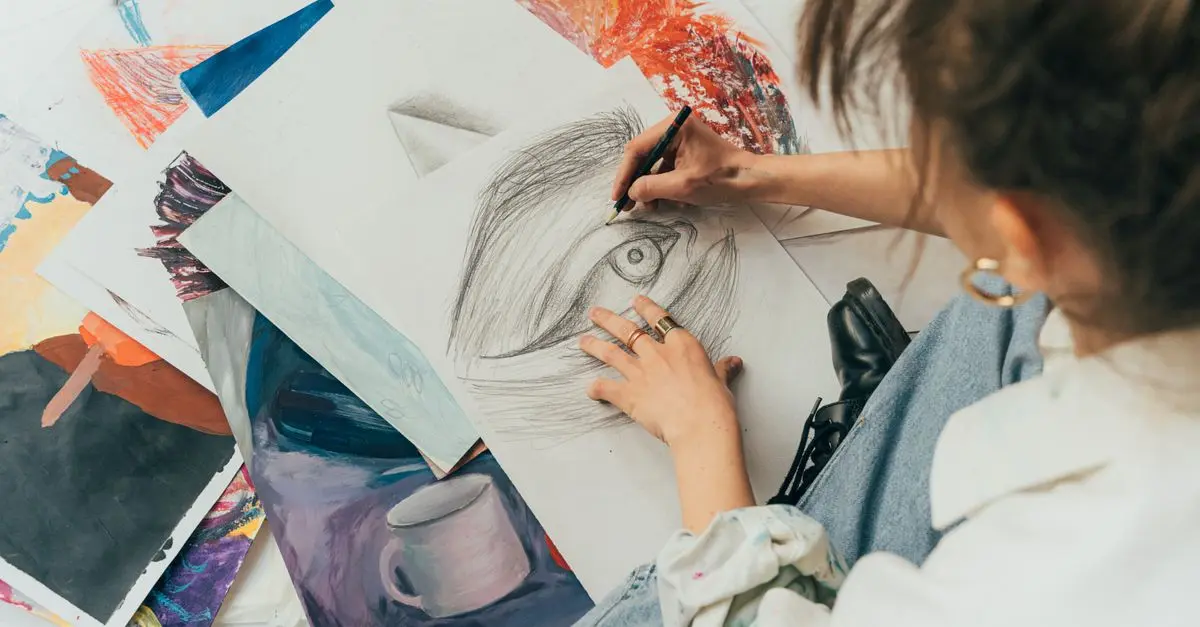
Consistent practice is one of the most effective techniques to develop your artistic skills. Just as athletes train every day to improve their performance, artists need to hone their craft regularly. Establishing a daily routine can significantly enhance your skills. Set aside a specific time each day to focus on different aspects of your art, such as sketching, coloring, or experimenting with new techniques. Studies have shown that dedicating even 30 minutes a day to practice can lead to substantial improvements over time. Consider maintaining an art journal to track your progress, experiment with new ideas, and document your artistic journey. The more you practice, the more comfortable you become with your materials and techniques, allowing your creativity to flow more freely.
Experiment with Various Mediums
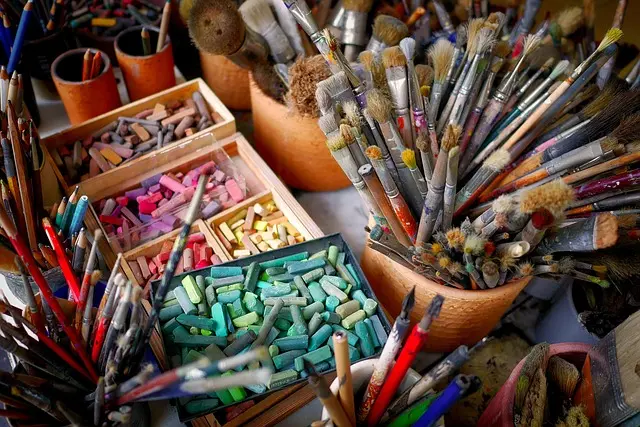
Exploring different mediums is vital to developing your artistic skills. Whether it’s acrylics, watercolors, charcoal, or digital tools, each medium offers unique properties that can challenge your perceptions and techniques. For example, using watercolors may teach you about fluidity and layering, while charcoal can help you understand shading and the importance of contrast. Moreover, experimenting with various styles, such as realism, abstract, or impressionism, can broaden your artistic vocabulary and enable you to communicate your ideas more effectively. According to art educators, diversified experience fosters adaptability, which is crucial for any artist in 2026. Embrace the process of exploration as it can lead to unexpected discovery and a stronger connection to your own creative instincts.
Study the Masters
Learning from the masters of art is an invaluable part of honing your artistic skills. Take the time to study various artists from different eras and styles, whether it’s Vincent van Gogh's vivid usage of color or Pablo Picasso’s innovative compositions. Analyze their techniques, brush strokes, and color palettes, and try to replicate their works as a learning exercise. This practice not only allows you to appreciate their genius but also helps internalize their methodologies. Art history books and documentaries can provide insights into these masters' lives and creative processes. Engaging with the past enables you to build a solid foundation while developing your unique style, creating a bridge between traditional techniques and contemporary expression.
Join an Artistic Community
Being part of an artistic community can significantly influence your growth as an artist. Joining groups, workshops, or online forums allows you to connect with fellow artists, share your work, and gain fresh perspectives. Collaborating with others opens opportunities for constructive feedback and networking, essential components for artistic development. You may find local art collectives or online platforms where artists gather to exchange ideas and techniques. According to research, artists who participate in communities report a heightened sense of motivation and increased output. Community engagement fosters an environment where you can learn from others’ successes and failures, ultimately propelling your artistic journey forward.
Seek Constructive Criticism
Receiving constructive criticism is a powerful method for refining your artistic skills. Feedback from peers, mentors, or instructors can provide insights that you might overlook while immersed in your work. When seeking critiques, approach specific individuals whose opinions you value and who can offer knowledgeable insights. Avoid taking criticisms personally; instead, embrace them as opportunities for growth. Studies indicate that artists who effectively utilize feedback are more likely to evolve their art significantly. Engage in critique sessions where you can present your work, discuss your intentions, and receive diverse perspectives. This cyclical process of creation and feedback will encourage continuous improvement in your artistic endeavors.
Set Specific Goals
Setting specific and measurable goals can guide your artistic development more effectively. Define what you want to achieve within a set timeline, whether mastering a particular technique, completing a series of works, or participating in an exhibition. For instance, you might set a goal to create one new piece each week or to experiment with a new medium each month. Having clear objectives gives your practice direction and motivation. Research suggests that artists with well-defined goals engage in their work more consistently and achieve higher levels of skill mastery. Monitor your progress regularly, and don't hesitate to adjust your goals as you grow and evolve as an artist.
Embrace Failures
Embracing failures is a crucial mindset for any artist looking to develop their skills. Every artist has experienced setbacks, whether it's a piece that didn't turn out the way they envisioned or a project that fell flat. Rather than viewing failures as a negative, reframe them as learning experiences. An artist's growth often stems from understanding what doesn't work, helping inform what does. Data shows that resilience in the face of artistic challenges leads to higher rates of innovation and creativity. Reflect on your failures, assess what went wrong, and use these insights to inform your future work. This approach not only enhances artistic skills but also fortifies your resolve to keep creating.
Use Online Resources
In today’s digital age, numerous online resources can facilitate the development of your artistic skills. Websites, online courses, and tutorials are available at every skill level, making it easier to learn at your own pace. Platforms like Skillshare, Udemy, and YouTube are brimming with instructional content covering various techniques and mediums. Participating in webinars or online workshops can also provide hands-on learning experiences. Furthermore, many professional artists and educators share valuable tips and tricks through social media. According to a survey by Pew Research Center, 90% of artists in 2026 leverage online resources to enhance their skills, showcasing the importance of digital learning in shaping modern artistry. Stay informed about new trends and techniques by regularly visiting reputable art blogs and forums.
Develop Your Unique Style
Finding and developing your unique artistic style is integral to establishing your identity as an artist. This involves exploring different influences while allowing your personal experiences and emotions to inform your work. Experimentation is key; try out diverse techniques, themes, and subject matters until you discover what resonates most with you. Participating in various artistic challenges can also inspire unique expressions. According to contemporary art experts, artists with a distinct style tend to gain more recognition and connect deeply with their audience. Spend time analyzing your work and reflecting on what you enjoy most in your art journey. Ultimately, your unique voice will set you apart and mark your artistic legacy.
📺 For further exploration: Techniques to Improve Your Artistic Skills, a comprehensive analysis of various methods. Search on YouTube: "How to enhance artistic skills 2026".
Glossary
| Term | Definition |
|---|---|
| Artistic Style | A distinctive manner of expressing an idea in art, shaped by an artist's individual preferences. |
| Medium | The materials or techniques used to create a piece of artwork (e.g., oil paint, watercolor). |
| Constructive Criticism | Provides feedback intended to help an artist understand areas of strength and opportunities for improvement. |
Checklist for Developing Artistic Skills
- [ ] Set aside time for daily practice
- [ ] Experiment with various art mediums
- [ ] Join local art communities or online forums
- [ ] Seek feedback from peers and mentors
- [ ] Set measurable artistic goals
- [ ] Reflect on personal failures and learn from them
- [ ] Explore online tutorials and resources
- [ ] Discover and develop a unique artistic style
🧠 Quick Quiz: What is the most important aspect of developing artistic skills?
- A) Daily practice
- B) Talent
- C) Feedback
Answer: A — Consistent practice is essential for skill improvement and mastery.
📺 Pour aller plus loin : How to enhance artistic skills 2026 sur YouTube