Table of Contents (12 sections)
Table of Contents
Understanding Your Artistic Journey
Art is a deeply personal and enriching experience that goes beyond mere skill. To develop artistic skills, one must first understand their own artistic journey. This journey involves identifying your passion, style, and the mediums that resonate with you.
Ask yourself: What draws you to art? Is it the ability to express emotions, tell narratives, or create visually stunning pieces? Understanding these motivations sets the foundation for growth.
Moreover, knowing your strengths and weaknesses is essential. For instance, are you skilled in drawing but struggle with color theory? Self-assessment helps you tailor your learning path effectively. Taking inspiration from established artists can also be influential; analyzing their work can provide insights into techniques and approaches that appeal to you.
Thus, the starting point is a combination of introspection and research, grounding your unique artistic voice in a rich context of history and personal experience.
Setting Clear Goals
Goal setting is crucial for anyone looking to develop artistic skills. Start by defining what you want to achieve within specific timeframes. Your goals should be S.M.A.R.T: Specific, Measurable, Achievable, Relevant, and Time-bound.
For example:
- Specific: I want to learn oil painting techniques.
- Measurable: I will finish three specific oil painting projects.
- Achievable: I will devote three hours weekly to practice.
- Relevant: This helps enhance my portfolio for art shows.
- Time-bound: I aim to complete these projects within six months.
This structure provides clarity and keeps you accountable. It also paves the way for smaller, incremental objectives, leading to a sense of accomplishment with each step. Additionally, consider documenting your progress through a journal or digital portfolio to reflect and reassess your goals as you advance.
Creating a Dedicated Workspace
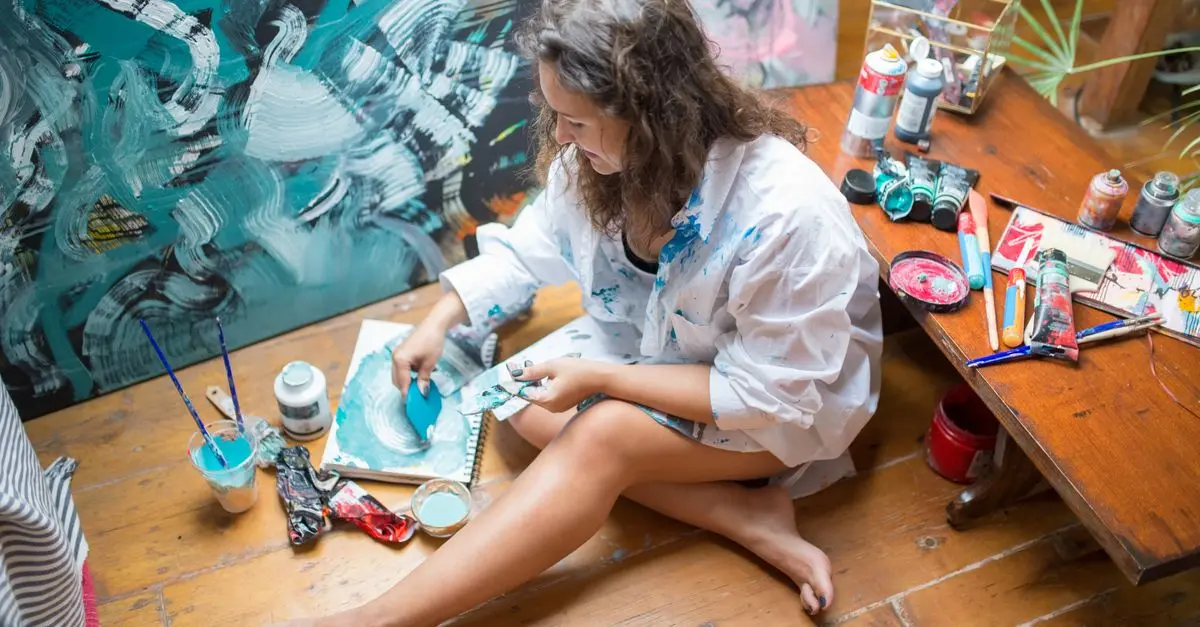
Your environment plays a significant role in fostering creativity. To nurture artistic skills effectively, it's essential to have a dedicated workspace. This space should be inviting and inspire creativity while being functional and organized.
Here are some tips for designing your ideal workspace:
- Lighting: Ensure your area is well-lit, preferably with natural light to reflect colors accurately.
- Materials: Keep your tools and materials organized and within reach. Experiment with different supplies to discover what resonates with you.
- Inspiration: Surround yourself with elements that inspire you – artwork, quotes, or colors that spark creativity.
- Comfort: Choose a comfortable chair and workspace layout that encourages long periods of focus.
Creating such an environment not only fosters productivity but also enhances your connection to your work, allowing you to engage more deeply with the artistic process.
Practicing Regularly
Practice is the cornerstone of developing artistic skills. Just like any other skill, artistry requires consistent engagement. Start with daily sketching, dedicating at least 30 minutes each day to draw or paint. This helps build muscle memory and refines your techniques.
Consider varying your practice sessions. Try new styles, mediums, or subjects to keep things fresh and exciting. For example, if you typically paint landscapes, challenge yourself to create portraits. This will expand your skill set and creative horizons.
Additionally, consider setting themed practice challenges. You could focus on color mixing one week and gesture drawing the next. Regularly revisiting fundamental techniques can help solidify your skills and improve overall artistic expression.
Seeking Feedback and Inspiration
Engagement with fellow artists can greatly enhance your development. Seeking feedback on your work helps identify areas for improvement that you might overlook. Join local or online art communities where you can share your work and receive constructive criticism. Participating in critiques can also expose you to different perspectives and ideas, enriching your understanding of art.
Finding inspiration is equally crucial. Follow artists whose work you admire, attend gallery exhibitions, and read art books. Social media platforms like Instagram and Pinterest are valuable resources for discovering new styles and techniques. Experiment with creating a mood board to curate visuals that inspire your artistic endeavors, ultimately guiding your practice and personal style.
Continuously Learning and Evolving
Art is a dynamic field, constantly evolving with new techniques and trends. To stay relevant and continue improving your artistic skills, commit to lifelong learning. This can involve:
- Formal Education: Enrolling in art classes, workshops, or seminars.
- Online Resources: Utilize platforms like YouTube or online art courses. Many reputable artists share their expertise on these platforms.
- Books and Tutorials: Read various art books to gain knowledge of theory and history, as well as practical tutorials.
By remaining open to learning, you foster a growth mindset, allowing your skills to progress in tandem with your personal creative development. Remember, evolution is part of the artistic journey, and embracing change can lead to unexpected and fulfilling outcomes.
Checklist for Developing Artistic Skills
- [ ] Define personal artistic goals.
- [ ] Set up a dedicated workspace.
- [ ] Create a practice schedule.
- [ ] Engage with art communities for feedback.
- [ ] Explore different artistic styles and mediums.
- [ ] Seek educational resources continuously.
- [ ] Document progress in a journal.
Frequently Asked Questions
Q: How long does it take to develop artistic skills?
A: The time varies by individual, practice frequency, and dedication. Regular practice over months can lead to significant improvement.
Q: What are the best materials for beginners?
A: Begin with basic supplies such as sketchbooks, pencils, watercolors, or acrylics. Invest gradually in high-quality materials.
Q: How can I find my unique art style?
A: Experiment with different styles and mediums, seek inspiration, and reflect on what resonates with you. Your style will evolve over time.
Q: Should I focus on one medium or explore multiple?
A: While specializing can lead to depth in one area, exploring multiple mediums can expand your creativity and skills.
📺 Resource Video
> 📺 For further exploration: A Guide to Developing Your Artistic Skills, a deep dive into key techniques and strategies. Search on YouTube: "how to develop artistic skills 2026".
Glossary
| Term | Definition |
|---|---|
| Artistic Expression | The way individuals convey emotions, concepts, or ideas through various art forms. |
| Medium | The materials or tools used in the creation of art (e.g., acrylic, oil, digital). |
| Sketching | The act of drawing a preliminary version of an idea, often used to practice techniques and concepts. |