Table of Contents (11 sections)
Creating art with mixed media techniques is like weaving a tapestry of textures, colors, and materials. This innovative approach allows artists to express their ideas more freely, merging different elements to generate unique, stunning pieces. In this tutorial, we will explore various mixed media techniques, guiding you through practical steps to engage in this exciting art form.
What Are Mixed Media Techniques?
Mixed media techniques involve the fusion of multiple artistic mediums in a single artwork. This can include combinations of traditional materials like paint, ink, and charcoal with modern elements such as photography, fabrics, and found objects. The essence of mixed media lies in its flexibility and freedom, allowing artists to break away from traditional constraints. According to a report by the National Endowment for the Arts, the use of mixed media continues to rise among contemporary artists, giving them broader avenues of expression.
This approach to art making is not only about the physical materials used but also about the ideas and emotions conveyed through their combination. By integrating different textures and forms, an artist can add depth and interest, inviting viewers to engage with their work on multiple sensory levels. Furthermore, mixed media art fosters experimentation and innovation, encouraging artists to explore new techniques and concepts. This can result in vibrant, captivating art that speaks volumes about the creator's thoughts and experiences.
Step 1: Gathering Your Materials
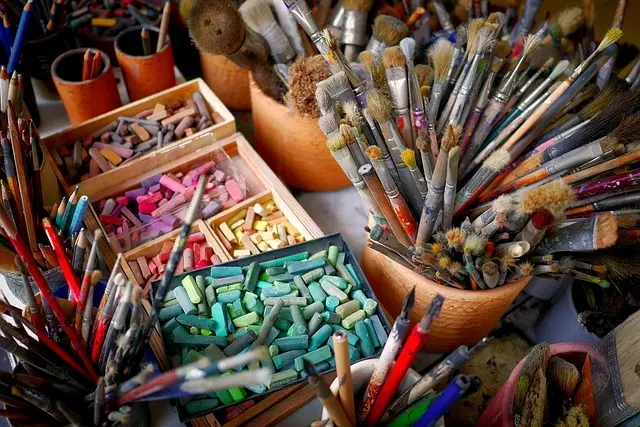
Before diving into creating art, it's crucial to gather the right materials. Depending on the techniques you want to explore, your supplies might vary greatly. Here’s a list of common items you'll need:
- Papers: Different weights and types (watercolor, glossy, textured)
- Paints: Acrylics, watercolors, or oils
- Adhesives: Glue, gel mediums, that can bond various surfaces
- Textiles: Fabrics or yarns can add intriguing layers
- Found Objects: Items like buttons, twigs, or snippets of magazines
After collecting your materials, endeavor to plan your piece conceptually. Consider how different textures might work together and the emotions you want to communicate. One useful tip is to keep a sketchbook handy. Jot down ideas and experiment with combinations of materials before committing to a larger canvas. This step also ensures that you reduce waste, utilizing what you have creatively.

Enova Home Mixed Silk Hydrangea and Greenery Artificial Flowers Arrangement in Clear Cylinder Glass Vase for Home Decór
bedbathandbeyond.com
Plus Size Women's Mixed Print Knit Lounger by Only Necessities in Yellow Floral (Size 2X)
onestopplus.com
Step 2: Creating the Base Layer
The base layer serves as the foundation of your mixed media artwork. Depending on your chosen materials, this might involve applying a layer of paint or using a collage approach to arrange your papers. For instance, if you choose a collage, ripping or cutting the paper into various shapes before arranging them can create an interesting contrast and dynamic composition.
To enhance the texture, consider using a palette knife to spread paint across the surface of your canvas. This method allows for a bumpy, textured appearance. Be mindful of your layering techniques as they can affect the way subsequent materials will adhere. Let each layer dry completely before adding another; this helps avoid muddiness and ensures clear visual separation between elements.
Step 3: Layering with Different Media
Once your base layer is established, the fun truly begins. Layering different media is a hallmark of mixed media art. Start introducing other elements like:
- Textures: Fabrics or modeling paste can create depth.
- Color: A splash of contrasting colors can evoke certain emotions or draw attention.
- Graphic Elements: Stencils or stamps add structured designs.
- Found Materials: Integrate photographs or objects to give new life to your piece.
Be playful with how you combine materials. Use transparency to your advantage; for example, applying a semi-transparent wash of color allows underlying layers to shine through. Alternating between wet and dry mediums can also create intriguing contrasts. As you work, don’t hesitate to step back and reassess your composition—sometimes, less is more, and knowing when to stop is essential in mixed media.
Step 4: Finishing Touches
To finalize your artwork, think about how to tie all the elements together. This could involve:
- Adding a varnish: Protects the artwork and enhances color vibrancy
- Incorporating details: Fine pens or paint can highlight areas of interest
- Selecting a frame: Frame your work in a way that complements its theme
Consider how your finishing touches reflect your artistic voice. They can dramatically alter the perception of the work as a whole. Ensure your piece conveys a cohesive narrative, enabling viewers to connect with it emotionally.
Step 5: Displaying Your Artwork
Once your mixed media piece is complete, displaying it can be as creative as the artwork itself. Possible locations include your home, local galleries, or online platforms like Instagram. Sharing your work not only provides exposure but can also give constructive feedback from others in the art community.
Prepare to capture quality images of your artwork to showcase online. Good lighting and proper staging can enhance the visual appeal. Also, consider writing a caption that explains your inspiration and the processes you used, which can engage your audience further.
Plus Size Women's Mixed Media Floral Print Top by Avenue in Black Multi Bouquet (Size 18)
onestopplus.com
Plus Size Women's AnyWear Reversible Crisscross V-Neck Maxi Dress by Catherines in Purple Mixed Stripe (Size 0XWP)
onestopplus.com
L.L.Bean Women's L. L.Bean Cozy Mixed-Knit Pullover Dark Cinder Heather Small, Polyester Blend Cotton Polyester/Rubber
llbean.com
Checklist for Mixed Media Art Creation
- [ ] Gather all necessary materials
- [ ] Plan your artwork conceptually
- [ ] Establish a solid base layer
- [ ] Experiment with layering different media
- [ ] Apply finishing touches ensures cohesiveness
- [ ] Prepare for display and audience engagement
🧠 Quiz rapide : What is the primary aspect of mixed media art techniques?
- A) They exclusively use paint.
- B) They combine different artistic mediums.
- C) They are only used in fashion design.
Réponse : B — Mixed media art techniques revolve around merging diverse artistic mediums.
Glossaire
| Terme | Définition |
|---|---|
| Mixed Media | The practice of using more than one medium to create art. |
| Base Layer | The foundation layer of an artwork, typically applied first. |
| Texturing | Techniques used to create a three-dimensional quality in art. |
📺 Ressource Vidéo
> For more detailed insights into mixed media techniques, explore [Creative Applications in Mixed Media Art] on YouTube for inspiration and guidance. Search for: mixed media techniques tutorial 2026.
Engaging in mixed media techniques offers the artist limitless possibilities to express their creativity. Experiment, enjoy the process, and don’t forget to share your journey with others! Let’s embrace the diverse forms of expression that art can provide.
📺 Pour aller plus loin : Easy Mixed Media Art Techniques Anyone Can Try! sur YouTube
Recommended products
Selected by our experts
Jonathan Green Black Beauty Rocky Mountain Mixed Sun or Shade Grass Seed 3 lb
acehardware.com

LSF Little Girls Rhiannon Mixed Print Maxi Dress - LILAC VANILLA / 5 LILAC VANILLA 5
loveshackfancy.com

Outsunny Set of 4 Outdoor Folding Chairs, Stackable Patio Dining Chairs with Armrests, Metal Frame, Light Mixed Brown
aosom.com