Table of Contents (14 sections)
Art is not only a form of expression; it is a journey filled with discovery, experimentation, and personal growth. Kicking off this journey can feel daunting, but knowing where to start can make all the difference. Here are ten essential tips to help you kickstart your artistic journey and pave the way for a rewarding experience.
1. Find Your Inspiration: Seek What Moves You
Every artist's journey begins with inspiration. This could come from nature, music, other artists, or even childhood memories. Spend some time exploring various art forms, styles, and mediums to find what resonates with you the most. For example, attending local art exhibitions can spark ideas and showcase different techniques. According to a study by the National Endowment for the Arts, nearly 80% of artists credit a particular moment or experience as their initial inspiration. Capture these moments in a journal to revisit and refine your ideas.
2. Set Practical Goals: Small Steps Lead to Big Changes
Setting clear, achievable goals can help you stay focused on your artistic path. Start with small, manageable tasks such as drawing for 30 minutes each day or completing one artwork per week. These small victories accumulate and build momentum, creating a sense of accomplishment. Art leaders suggest using the SMART criteria (Specific, Measurable, Achievable, Relevant, and Time-bound) to ensure your goals are effective. For instance, instead of saying "I want to paint more," reframe it to "I will complete one painting by the end of the month."
3. Explore Different Mediums: Don’t Limit Yourself
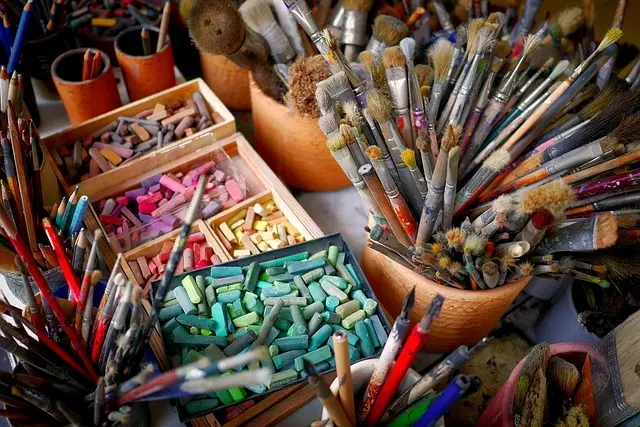
Don’t confine yourself to just one medium when starting out. Explore painting, drawing, photography, and digital art. Each medium teaches unique skills and may lead you to discover hidden talents. For instance, many artists find themselves transitioning from watercolors to acrylics once they grasp the fluidity of paint. This exploration allows you to understand the tools and techniques that you enjoy best. Additionally, consider joining workshops; they're great venues for hands-on experience in multiple mediums.
4. Create a Comfortable Workspace: Your Artistic Haven
Your environment significantly impacts creativity. Designate a workspace that is comfortable and free from distractions, equipped with all the necessary tools like paints, brushes, canvases, or digital software. Ensure good lighting, and keep it organized to encourage productivity. Studies by Psychology Today reveal that a tidy and well-organized workspace can enhance focus and creativity. Personalize your space with inspirational quotes or art pieces to motivate yourself.
5. Practice Mindfulness: Focus and Presence Matter
In today’s fast-paced world, taking a moment to breathe and be present can rejuvenate your creative mind. Practicing mindfulness can enhance your focus during artistic sessions. Try short meditative practices before you start creating. This will clear your mind and allow your ideas to flow freely. According to research by Harvard University, mindfulness can improve creativity and problem-solving skills, essential elements in the artistic journey.
6. Seek Feedback: Learning from Others
Asking for feedback can improve your skills significantly. Share your work with friends, mentors, or join an art community online. Constructive criticism is invaluable; it helps to identify areas for improvement while offering diverse perspectives on your work. Tools like ArtStation or local art clubs can provide platforms for receiving feedback. Engaging in discussions about your art can also inspire new ideas and collaborations, enriching your artistic journey.
7. Document Your Progress: Track Your Growth
Keeping a record of your artistic journey, whether through a blog, social media, or a sketchbook, allows you to witness your progress over time. Documenting each artwork and noting the techniques used can help refine your abilities. Websites like Instagram can be effective platforms for sharing your work and finding a community. Reflecting on past projects not only highlights your growth but keeps you connected to your passion.
8. Embrace Mistakes: Learning Experiences
Don’t fear mistakes; they are part of the creative process! Every artist makes decisions or experiments that don’t go as planned. Rather than being discouraged, view these moments as valuable lessons. For example, famous artist Pablo Picasso once said, "I am always doing that which I cannot do, in order that I may learn how to do it." Celebrating your mistakes can lead to unexpected creativity and innovation.
9. Network: Connect with Fellow Artists
Building relationships within the art community can be incredibly beneficial. Attend art exhibits, workshops, and local meet-ups to connect with other artists. Networking not only provides inspiration but also opens up opportunities for collaboration, exhibitions, and feedback. Engaging with peers can lead to sharing resources, such as art supplies or studio space, which can be incredibly valuable as you grow your practice.
10. Stay Curious: Always Keep Learning
The best artists are perpetual learners. Embrace new techniques, styles, and concepts regularly to keep your creative juices flowing. This could include taking courses online through platforms like Skillshare or watching tutorials on YouTube. Reading books on art history or theory can also provide valuable insights. Remember, art is an ever-evolving field, and staying curious ensures you continue to evolve as an artist.
📺 For further exploration:
[Art techniques for beginners 2026], an in-depth discussion on overcoming artistic hurdles. Look it up on YouTube: `art techniques for beginners 2026`.
Checklist before you start:
- [ ] Identify your sources of inspiration
- [ ] Set achievable artistic goals
- [ ] Explore various artistic mediums
- [ ] Create a dedicated workspace
- [ ] Practice mindfulness techniques
- [ ] Share your work for feedback
- [ ] Document your artistic progress
- [ ] Welcome mistakes as learning experiences
- [ ] Network with fellow artists
- [ ] Engage in continuous learning
Glossary
| Term | Definition |
|---|---|
| Artistic Medium | The various materials or techniques an artist uses to create art, such as paint, charcoal, or digital tools. |
| Mindfulness | The psychological process of bringing one’s attention to experiences occurring in the present moment, often used in creative practices to enhance focus and clarity. |
| Constructive Criticism | Feedback meant to help someone improve their work; it focuses on the positive aspects and provides suggestions for growth. |
> 🧠 Quick Quiz: What is the most crucial step in kickstarting your artistic journey?
> - A) Find your inspiration
> - B) Set goals
> - C) Network with other artists
> Answer: A — Inspiration is often the first step that sparks creativity.
📺 Pour aller plus loin : art techniques for beginners 2026 sur YouTube