Table of Contents (16 sections)
Cultivating an artistic practice is more than just creating art; it requires dedication, discipline, and reflection. As aspiring or established artists, finding ways to nurture your creativity and maintain motivation is crucial for growth. In this article, we’ll explore 10 essential tips that will help you cultivate your artistic practice effectively and enhance your journey as an artist.
1. Establish a Routine
Creating a consistent routine is the backbone of any successful artistic practice. By dedicating specific times of the day to your art, you build a habit that encourages discipline. This can be as simple as setting aside an hour each morning to sketch or paint. Studies show that artists who maintain a routine tend to produce more consistently, leading to improved skills and creativity. The key is finding a time that works for you, whether it’s early mornings or late nights. Remember, consistency is key!
2. Create a Dedicated Space
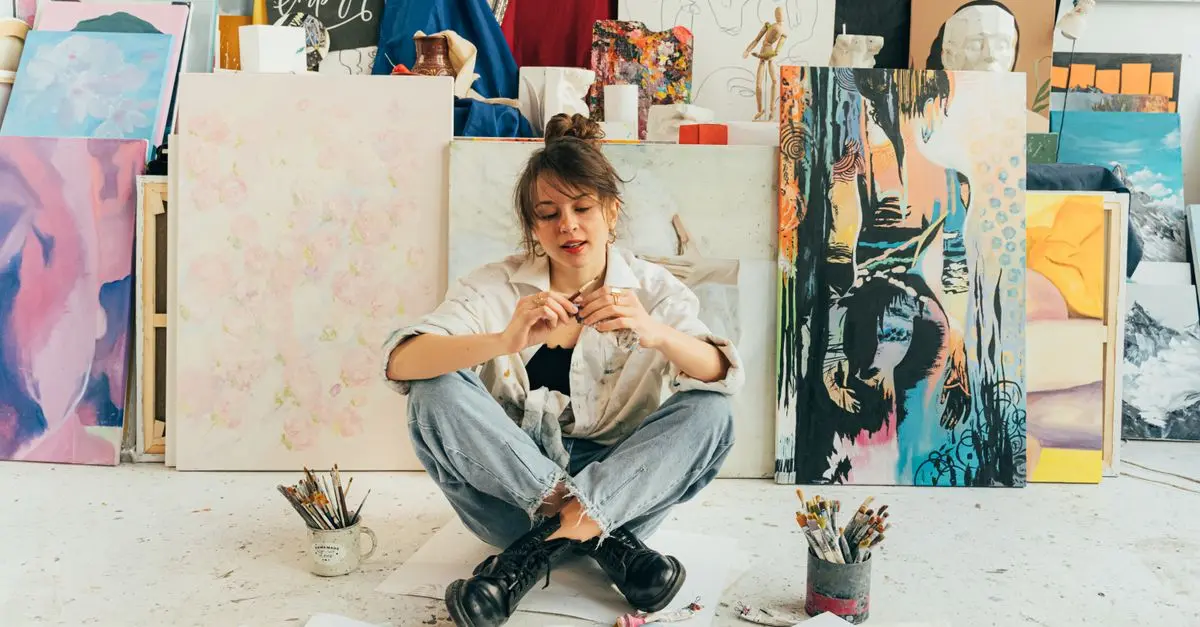
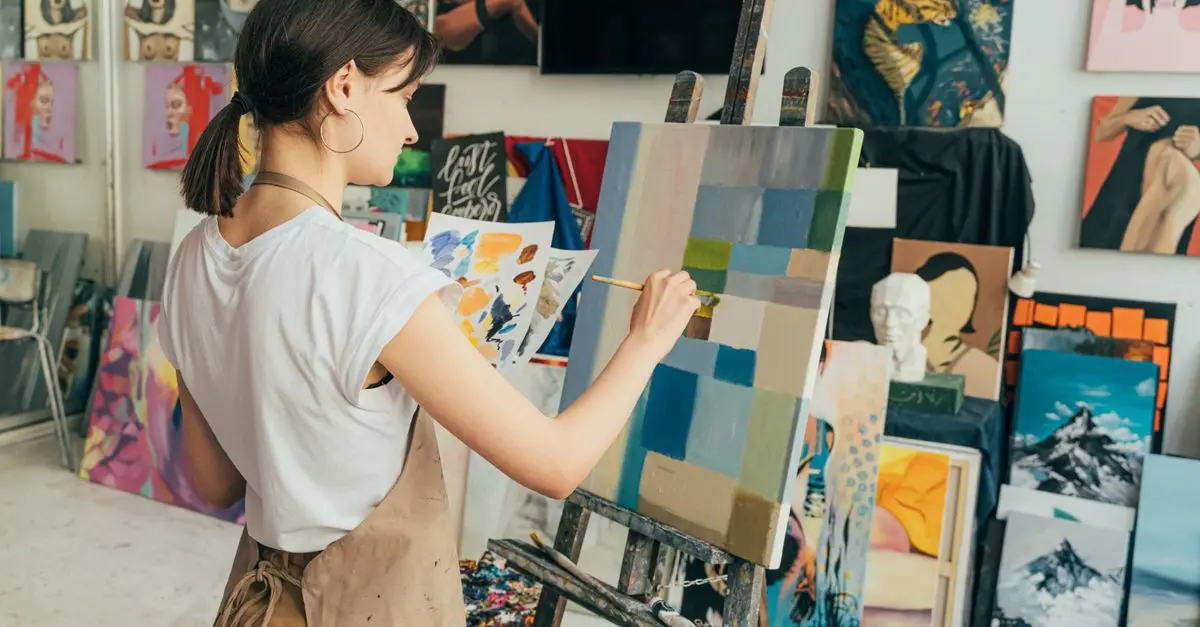
Your environment plays a significant role in your creative output. Designate a specific area in your home or studio for your artistic endeavors. This space should be free from distractions and filled with the supplies and materials you need. Consider how lighting and organization affect your workflow. For instance, a well-lit area can enhance your mood and energy levels, making the creative process more enjoyable. Research from the University of Cambridge indicates that a dedicated workspace leads to increased productivity among artists.

3. Experiment with Different Mediums
Don't limit yourself to one medium. Exploring various forms of art—like painting, sculpture, or digital media—can expand your creativity and problem-solving skills. Each medium offers distinct challenges and opportunities for expression. For example, working in clay can enhance your understanding of form, while digital tools may improve your technical skills. This not only keeps your practice fresh but also helps in finding your unique artistic voice.
4. Set Goals and Track Progress
Setting clear, achievable goals helps maintain focus. Break down larger objectives into smaller, manageable tasks. For instance, if you aim to complete a painting series, establish deadlines for each piece. Tracking your progress can provide motivation and a sense of accomplishment. Consider using a journal or a digital app to reflect on your progress and identify areas for improvement. Research indicates that people who set written goals are significantly more likely to achieve them than those who do not.
5. Seek Feedback and Collaborate
Sharing your work with others opens avenues for growth and improvement. Seek constructive feedback from fellow artists or mentors, and be open to criticism. Participating in group critiques can also offer diverse perspectives that can deepen your understanding of your work. Collaboration can lead to exciting projects that challenge your skills and stimulate creativity. Whether it’s a joint exhibition or an online art project, working with others broadens your artistic horizons.
6. Engage with Art Communities
Connecting with other artists, whether online or in person, can inspire and motivate you. Art communities provide a network for sharing experiences, challenges, and triumphs. Join local art organizations, participate in workshops, or engage with social media art groups. These connections can provide valuable resources and support, helping you feel less isolated in your creative journey. According to Harvard University, engaging with peers can significantly enhance creativity and motivation.
7. Embrace Mistakes
Errors are often the catalysts for the most profound growth in your practice. Instead of viewing mistakes as failures, treat them as opportunities to learn. Analyze what went wrong and how you can adjust your approach next time. This mindset not only reduces frustration but also fosters resilience. Many noted artists, including Pablo Picasso, often spoke about the importance of embracing imperfections as part of the artistic journey.
8. Take Breaks to Recharge
Rest is equally as important as practice. Allow yourself to step back from your work to recharge creatively and mentally. Engaging in other activities—such as reading, hiking, or meditating—can stimulate new ideas and perspectives. Remember, continuous work without breaks can lead to burnout, which is detrimental to your artistic growth. According to UCLA, artists who incorporate regular breaks into their routines are more likely to maintain high levels of creativity.
9. Document Your Creative Journey
Keeping a record of your artistic journey can provide insights into your growth and evolution over time. Consider maintaining a visual diary where you document your work, thoughts, and inspirations daily or weekly. This practice encourages reflection, enabling you to see how far you've come and what you've learned along the way. Plus, it can serve as a vital source of inspiration during creative blocks.
10. Never Stop Learning
Art is an evolving field, and there are always new skills and techniques to explore. Participate in workshops, online courses, or self-study through books and tutorials. Engaging with various perspectives can introduce you to different techniques and philosophies that enrich your artistic practice. According to a 2024 survey, 85% of artists reported that continuous learning directly impacted their creativity positively.
📺 Resource Video
For further insights: Explore effective ways to cultivate your artistic practice, discover new techniques and witness transformative tips in action. Search on YouTube: "how to cultivate artistic practice 2026".
Glossaire
| Terme | Définition |
|---|---|
| Pratique artistique | L'ensemble des méthodes et habitudes qu'un artiste adopte pour créer et développer son art. |
| Collaboration | Travailler avec d'autres artistes ou créateurs pour enrichir le processus créatif mutuel. |
| Feedback | Retours constructifs sur l'œuvre d'un artiste, destinés à améliorer sa pratique. |
Checklist avant achat
- [ ] Establish a consistent artistic routine
- [ ] Create a dedicated workspace
- [ ] Explore different mediums
- [ ] Set clear artistic goals
- [ ] Seek regular feedback from peers
- [ ] Join art communities for support
- [ ] Embrace mistakes as learning opportunities
- [ ] Take breaks to maintain creativity
- [ ] Document your artistic journey
- [ ] Engage in continual learning
Conclusion
Cultivating your artistic practice is a dynamic, enriching journey. Incorporating these essential tips can help you enhance your creative output and maintain a fulfilling artistic life. Remember, the art world is vast, and your unique perspective is valuable. Start implementing these strategies today to grow as an artist!
💡 Avis d'expert: Maintenir une pratique artistique régulière favorise non seulement la discipline, mais aussi l’innovation. Ne sous-estimez pas l’impact d’un environnement créatif bien structuré!
📺 Pour aller plus loin : how to cultivate artistic practice 2026 sur YouTube
Recommended products
Selected by our experts
Learn How to Build and Cultivate Self-Discipline
Alison US CA
This product helps build self-discipline, which is essential for establishing a consistent artistic practice.