Table of Contents (14 sections)
Becoming an artist is not just about having talent; it's also about mastering the right techniques. For aspiring artists, understanding and practicing essential techniques can significantly enhance their creative expression. This article explores fundamental techniques every aspiring artist should master, ensuring a rewarding journey in the world of art.
1. Understanding Color Theory
Color theory is one of the foundational techniques for aspiring artists. It encompasses the understanding of how colors interact and the emotional impact they can create. Artists should familiarize themselves with primary, secondary, and tertiary colors, as well as concepts such as complementary and analogous color schemes. For example, a study by Color Association of the United States indicates that color greatly influences a viewer's perception and emotional response. Mastering color theory allows artists to create striking and harmonious artworks, which can capture the audience's attention instantly.
2. Composition Mastery
Composition refers to the arrangement of elements within a piece of art. A strong composition is critical as it guides the viewer’s eye and establishes the focus of the artwork. Techniques like the rule of thirds, leading lines, and framing can help artists create balanced and compelling scenes. For instance, when using the rule of thirds, an artist divides the canvas into thirds both horizontally and vertically, placing the focal points along these lines. This technique encourages visual interest and movement, making the artwork more engaging.



3. Brushwork and Painting Techniques
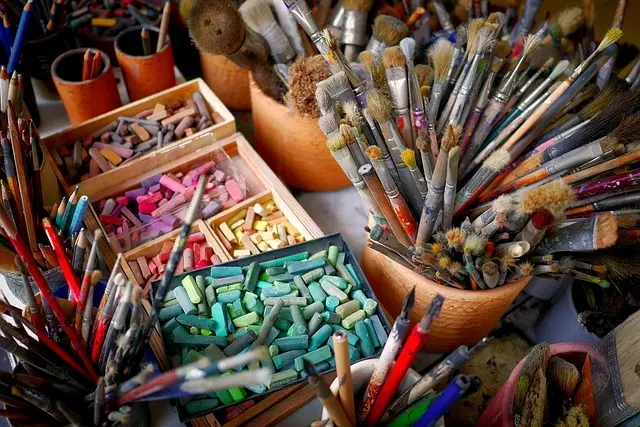
Developing brushwork skills is essential for any aspiring painter. Different brushstrokes can convey various emotions and styles, from soft blends to sharp lines. Artists should experiment with different brushes and techniques such as glazing, scumbling, and impasto. According to a survey by The Art Supply Company, artists who frequently diversify their brush techniques report higher satisfaction with their completed works. Regular practice leads to a unique personal style, which is crucial as they progress in their artistic journey.
4. Drawing Fundamentals
Drawing serves as the backbone of all visual arts. Aspiring artists should master basic drawing techniques, including perspective, proportion, and shading. Understanding how to create depth using linear perspective and atmospheric perspective can dramatically improve an artist’s work. For example, an artist might practice by sketching everyday objects, gradually adding complexity by incorporating shadows and different angles. According to The Art Institute, artists who prioritize their drawing skills often find that it enhances their overall artistic abilities.
5. Experimentation and Mixed Media
Experimentation is vital for artistic growth. Aspiring artists should not only master traditional techniques but also explore mixed media. This involves combining various materials such as charcoal, acrylics, and collage in a single artwork. This approach allows for creative freedom and can lead to unexpected, exciting results. A 2026 report by Artists Network shows that artists who frequently experiment with mixed media often report heightened creativity and inspiration in their projects.
📺 For more insight:
Watch videos on crucial techniques for aspiring artists, focusing on color theory, composition, and brush techniques. Search on YouTube for: essential techniques for aspiring artists 2026.



6. Digital Art Skills
In the digital age, mastering digital art techniques is increasingly important. Aspiring artists should learn to use digital painting software like Adobe Photoshop or Procreate. Familiarity with layers, brushes, and tools in these platforms is essential for creating impressive digital artworks. Moreover, Adobe reports that digital art sales have increased by 24% over the past two years, indicating a growing market for such skills. Learning to navigate digital platforms can also streamline an artist's creative process.
7. Art Critique and Feedback
Receiving critique and feedback is crucial for growth as an artist. Aspiring artists should develop the ability to give and receive constructive criticism. Engaging with fellow artists or joining online communities can provide valuable insights, helping to identify strengths and areas for improvement. According to The Creative Guild, artists who actively seek feedback often accelerate their development by 30% faster than those who work in isolation.
8. Building a Portfolio
A well-curated portfolio is a vital aspect of an artist’s journey. Aspiring artists should focus on showcasing their best work, reflecting their style and growth as an artist. It’s essential to include a variety of pieces demonstrating different techniques and mediums. A strong portfolio can help artists attract potential clients and galleries, increasing their visibility in the art community. Art Basel reports that portfolios featuring diverse works are more appealing to art buyers.
Checklist for Aspiring Artists
- [ ] Master color theory basics
- [ ] Understand composition rules
- [ ] Practice various brushwork techniques
- [ ] Develop essential drawing skills
- [ ] Experiment with mixed media approaches
- [ ] Learn digital art tools
- [ ] Engage in art critique sessions
- [ ] Build a diverse portfolio
Glossary
| Terme | Définition |
|---|---|
| Color Theory | The study of how colors interact, impact emotions, and can be effectively used in artworks. |
| Composition | The arrangement of visual elements within an artwork to create a balanced and engaging structure. |
| Mixed Media | A technique that involves using two or more artistic mediums to create a single piece of art, often leading to innovative results. |
---
📺 Pour aller plus loin : essential techniques for aspiring artists 2026 sur YouTube
Recommended products
Selected by our experts