Table of Contents (15 sections)
Managing time effectively is essential for artists aiming to cultivate their craft while maintaining a vibrant creative output. In this dynamic field, juggling multiple projects, deadlines, and inspiration can be challenging. This article explores vital time management strategies tailored for artists, enabling them to enhance productivity without sacrificing their creativity.
1. Set Clear Goals
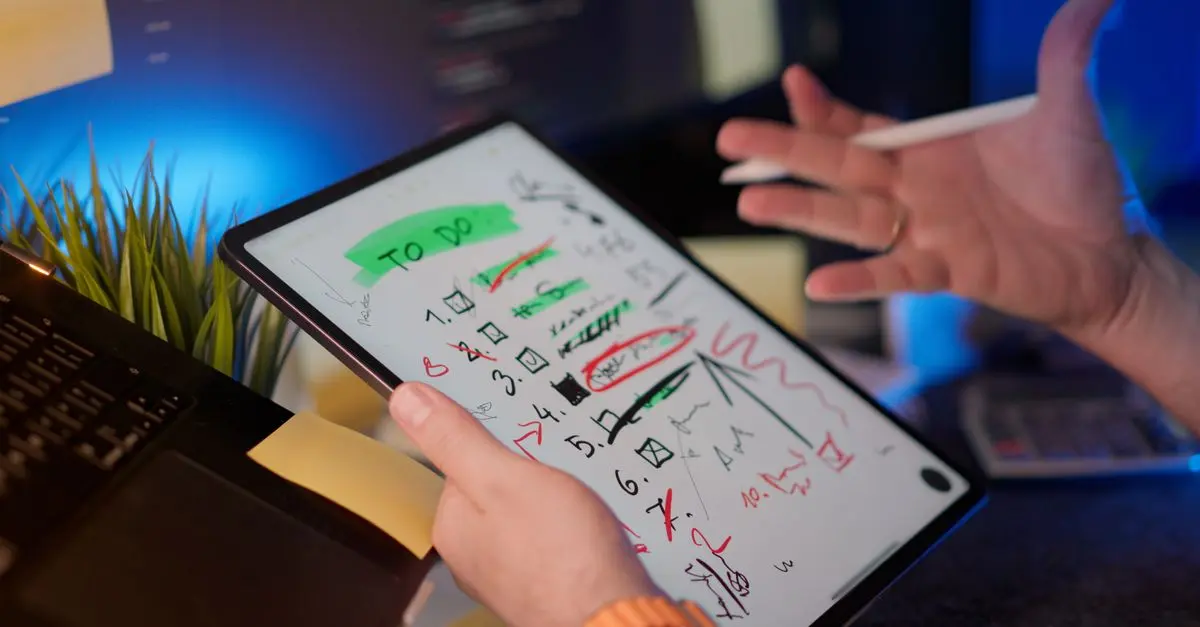
The first step in effective time management is to set clear, achievable goals. This involves defining what you want to accomplish in a specific time frame—be it completing a piece, preparing for an exhibition, or simply improving your skills. A study by the American Psychological Association highlights that goal-setting increases the likelihood of success by giving focus and direction. Break your goals into smaller, manageable tasks, and prioritize them based on urgency and importance. For example, if you have a gallery show in three months, you might break down tasks into research, initial sketches, final pieces, and promotional materials.
💡 Expert Tip: Use tools like Trello or Asana to visually manage your tasks and deadlines.
2. Create a Daily Routine
Developing a consistent daily routine can significantly improve your productivity. A structured routine helps in establishing a work rhythm, making it easier to enter a creative flow. Start your day at the same time, and designate blocks of time specifically for your art practice. According to a survey conducted by The Creative Independent, successful artists often attribute their productivity to routine—whether that’s sketching in the morning or painting in the afternoon.
For instance:
- Morning (9 AM - 12 PM): Creative production (painting, drawing)
- Afternoon (1 PM - 3 PM): Admin tasks (emails, social media)
- Evening (4 PM - 6 PM): Skill development (taking an online course)
Establishing a reliable routine can help mitigate distractions and allow for deep work periods.


Passerelle Multimédia 4K Lecteur Automatique HDMI Micro SD USB Disque Dur ROM 8 Go
Darty FR
📺 For further learning:
Discover practical tips for managing your time as an artist in this informative video on YouTube: 'time management for artists 2026'.
3. Prioritize Your Projects
Not all art projects require the same level of time and energy. Learn to prioritize projects based on their importance and deadlines. Using a prioritization matrix can be beneficial here, categorizing tasks into four quadrants:
- Urgent and Important
- Important but Not Urgent
- Urgent but Not Important
- Neither Urgent nor Important
For instance, an upcoming deadline for an exhibition is both urgent and important. In contrast, a long-term project you enjoy may fall into the 'Important but Not Urgent' category. Focusing on urgent and important tasks first ensures that critical aspects are completed while allowing flexibility for passion projects.
| Criterion | Important & Urgent | Important & Not Urgent | Urgent & Not Important | Neither |
|---|---|---|---|---|
| Exhibition Deadline | ✅ Yes | ❌ | ❌ | ❌ |
| Skill Development Course | ❌ | ✅ Yes | ❌ | ❌ |
| Respond to Non-Urgent Emails | ❌ | ❌ | ✅ Yes | ❌ |
| Leisure Activity | ❌ | ❌ | ❌ | ✅ Yes |
Implement the Pomodoro Technique: work for 25 minutes and then take a 5-minute break. After four cycles, take a longer break of about 15-30 minutes. Use this time to step away from your workspace, engage in light physical activity, or meditate. This not only rejuvenates your mind but also helps prevent burnout.
5. Use Technology Wisely
In the age of digital tools, various applications can help streamline your creative process and enhance time management. Programs like Trello, Notion, and Google Calendar can aid in organizing tasks, scheduling studio time, and setting reminders. Moreover, time-tracking applications such as Toggl can help you understand where your time goes, allowing you to make necessary adjustments.
It is essential to find a balance between utilizing technology and avoiding distractions from social media or unnecessary apps. Always remember: technology should serve you, not distract you from your creative flow.
6. Consider the 80/20 Rule
Also known as the Pareto Principle, the 80/20 rule states that 80% of your results come from 20% of your efforts. As an artist, this means focusing on the few activities that significantly impact your creative productivity and success. Identify which projects or processes bring you the most fulfillment and results—and allocate your time accordingly.
For example, if you notice that certain styles or themes resonate more with your audience, prioritize creating works in those areas. This not only maximizes your impact but also reinforces your artistic identity.

Passerelle Multimédia 4K Lecteur Automatique HDMI Micro SD USB Disque Dur ROM 32 Go
Darty FR

Passerelle Multimédia 4K Box TV Lecture Automatique HDMI Micro SD USB + SD 8Go
Darty FR

Passerelle Multimédia 4K Box TV Lecture Automatique HDMI Micro SD USB + SD 32Go
Darty FR
7. Seek Feedback and Collaborate
Collaboration can provide fresh perspectives and help manage workload more effectively. Engaging with fellow artists, mentors, or even supportive community members can lead to new inspirations and ideas that can save you time in the long run. Additionally, regular feedback can enhance the quality of your work and improve your skillset.
Schedule regular critique sessions to showcase your current projects, allowing for constructive feedback. You might find that certain elements of your work that you spend excessive time on may not resonate as much, enabling you to redirect your efforts more efficiently.
8. Reflect and Adjust Regularly
Setting aside time at the end of each week or month to reflect on what worked and what didn’t is paramount. Take stock of your achievements and challenges faced in your art practice, and adjust your future strategies accordingly.
Consider keeping a journal to document your progress, emotions, and ideas. This reflection not only provides insight into your creative process but also informs about your time management efficiency and emotional well-being as an artist.
Checklist Before You Start
- [ ] Define clear goals for your art practice.
- [ ] Establish a daily routine that balances work and play.
- [ ] Prioritize tasks using the Eisenhower matrix.
- [ ] Embrace breaks to recharge your creativity.
- [ ] Use technological tools systematically without getting distracted.
- [ ] Identify key tasks using the 80/20 rule.
- [ ] Collaborate and ask for feedback regularly.
- [ ] Reflect on your progress weekly or monthly.
Glossary
| Term | Definition |
|---|---|
| Time Management | Process of planning and exercising conscious control of time spent on specific activities. |
| Eisenhower Matrix | A tool used for prioritizing tasks based on urgency and importance. |
| Pomodoro Technique | A time management method that uses a timer to break work into intervals, traditionally 25 minutes in length, separated by short breaks. |
💡 Conclusion
Mastering time management for artists is key to maximizing creative potential while fostering a consistent output. By applying the tips outlined here, artists can navigate their creative journeys more effectively, enhancing both productivity and artistry. As you implement these strategies, remember to be adaptable, allowing room for the unexpected bursts of creativity that fuel your art.
📺 For more insights:
Explore creative time management techniques in this comprehensive YouTube video: 'effective time management for artists 2026'.
Recommended Products
- Passerelle Multimédia 4K Box TV: Perfect for streaming art tutorials and workshops without interruptions.
- Media Center Lecteur Tout Format: Essential for artists who enjoy watching techniques and getting inspiration from various media formats.
- Mini Lecteur Multimédia Full HD: Ideal for accessing your favorite creative videos on a big screen, enriching your learning experience.
📺 Pour aller plus loin : effective time management for artists 2026 sur YouTube
Recommended products
Selected by our experts
Passerelle Multimédia 4K Lecteur Automatique HDMI Micro SD USB Disque Dur ROM 8 Go
Darty FR
Passerelle Multimédia 4K Lecteur Automatique HDMI Micro SD USB Disque Dur ROM 32 Go
Darty FR
Passerelle Multimédia 4K Box TV Lecture Automatique HDMI Micro SD USB + SD 8Go
Darty FR
Passerelle Multimédia 4K Box TV Lecture Automatique HDMI Micro SD USB + SD 32Go
Darty FR