Table of Contents (18 sections)
Becoming an artist is both a journey and a rewarding experience. Whether you are a beginner or looking to refine your abilities, developing artistic skills requires dedication and the right techniques. This guide outlines practical steps to help you enhance your creativity and artistic abilities.
1. Understanding the Foundations of Art
Before diving into advanced techniques, it’s crucial to grasp the fundamentals of art. Artistic skills encompass various forms, including drawing, painting, sculpture, and digital art. Each form has its unique set of skills, but some foundational principles apply across all mediums.
Color Theory
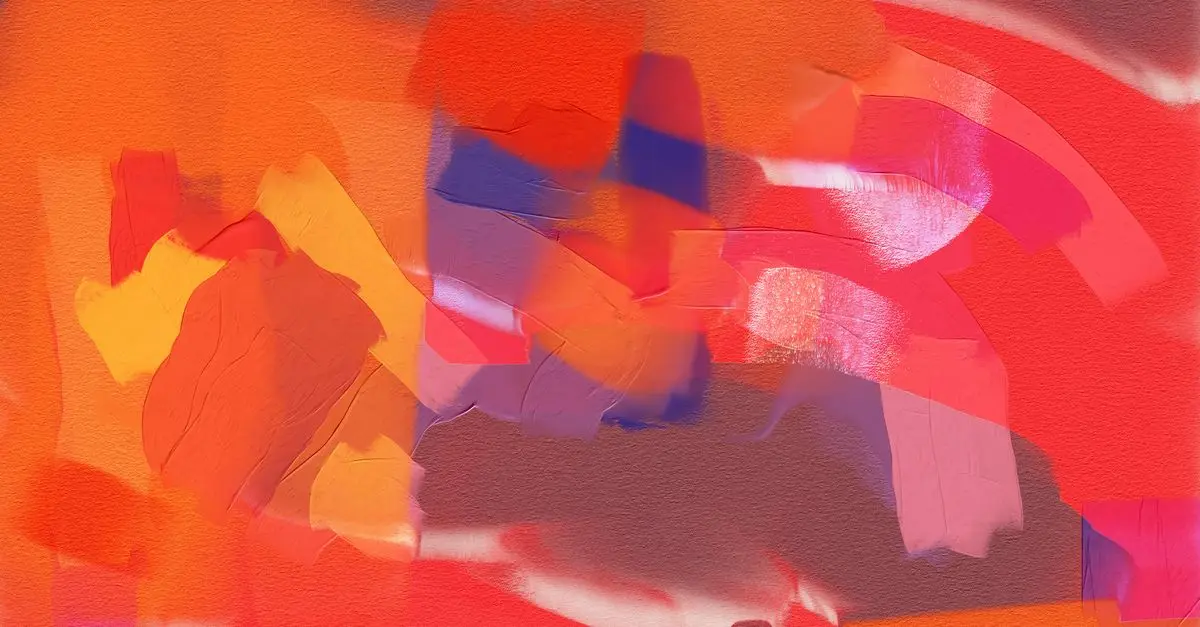
Understanding color theory is essential for any artist. Colors can evoke emotions and impact the overall mood of a piece. Familiarize yourself with the color wheel, which consists of primary, secondary, and tertiary colors. Mixing colors to create harmonies or contrasts can greatly enhance visual appeal.
Composition and Design
Another core element of artistic skills is composition. This refers to how elements are arranged within a work. Techniques such as the rule of thirds can help in creating balanced and interesting compositions. Use grids or guidelines to assist in placing your subjects effectively.
Tip: Create a visual diary to track your progress. Sketch daily with minimal pressure for perfection, allowing yourself to experiment and learn over time.
2. Choosing the Right Mediums and Tools
Artistic development heavily relies on the mediums and tools you choose to work with. Different materials can yield varying outcomes, influencing the learning process.
Traditional vs. Digital Media
Traditional mediums like graphite, charcoal, and watercolors provide a tactile experience. In contrast, digital art tools like graphic tablets offer flexibility and ease of editing. Consider what resonates with you as an artist. For example:
- Pros of Traditional Art: Physical texture; direct hand-eye coordination.
- Cons of Traditional Art: Less scope for easy modification.
- Pros of Digital Art: Undo buttons; multiple layers.
- Cons of Digital Art: Learning software can be a hurdle.
Explore both options before committing to one. It’s common for artists to blend traditional techniques with digital platforms.
3. Continuous Practice and Skill Development
Artistic skills flourish with practice. Establishing a regular routine can significantly enhance your abilities. Here are some methods for effective practice:
- Daily Sketching: Dedicate at least 30 minutes each day to sketching. This sharpens your observational skills and helps develop muscle memory.
- Workshops and Classes: Invest time in structured learning through workshops, both online and in-person. These environments provide immediate feedback and valuable insights.
- Join Art Communities: Engaging with other artists helps foster growth. Platforms like DeviantArt, ArtStation, or local artist groups can support your journey.
Pro Tip: Use online tutorials and literature to learn new techniques during practice. They can be incredibly helpful for discovering unique ways to approach art.
4. Experimenting with New Techniques
Creativity thrives on exploration. Don’t be afraid to step outside your comfort zone. Experimenting with new techniques can be pivotal in developing your artistic skills.
Mixed Media & Collage
Try combining various art forms—like painting with cut-out photos—to create a mixed media piece. This allows for increased texture and depth in your art. Remember to:
- Layer: Use different materials to add richness.
- Be Playful: Don’t worry about the outcome initially. Focus on the process instead.
Digital Techniques
If you’re venturing into digital art, experiment with different brushes, layers, and effects. Programs like Adobe Photoshop or Procreate offer endless possibilities to play around with.
5. Seeking Constructive Criticism
To develop artistically, understanding how others perceive your art is essential. Seek constructive criticism from peers or mentors. How do they interpret your work? This feedback offers invaluable insights that can guide your development.
Where to Find Feedback
- Social Media: Platforms like Instagram allow you to share your work and receive feedback from a diverse audience.
- Art Groups: In-person or online communities offer structured critiques.
- Mentorship: Finding a mentor who shares your artistic interests can provide personalized guidance.
📺 Resources Video
> 📺 For further exploration: Art techniques and tips for mastering your skills, an engaging resource to consider. Search on YouTube: how to develop artistic skills.
6. Checklist for Developing Artistic Skills
- [ ] Review color theory basics.
- [ ] Experiment with at least two different mediums.
- [ ] Commit to daily sketching.
- [ ] Join an art workshop or class.
- [ ] Seek feedback from artists or art communities.
- [ ] Challenge yourself with new techniques.
Glossary
| Term | Definition |
|---|---|
| Composition | The arrangement of elements in an artwork. |
| Color Theory | A set of principles used to understand how colors interact. |
| Mixed Media | An art approach that combines different artistic mediums. |
🧠 Quick Quiz
> What’s the foundation of effective color theory?
> - A) Color Wheel
> - B) Color Emotions
> - C) Shade Variations
> Answer: A — Understanding the color wheel is crucial for mastering colors in art!
By following these structured steps, you will be well on your way to developing your artistic skills and discovering your unique voice as an artist. Remember that every artist has a journey filled with trial and error, and the key is to embrace the process and keep creating.
📺 Pour aller plus loin : how to develop artistic skills sur YouTube