Table of Contents (14 sections)
Introduction
Embarking on an artistic journey can be a thrilling yet daunting task. Whether you want to dabble in painting, drawing, sculpture, or digital art, taking the first step can often feel overwhelming. This article presents 10 essential tips for aspiring artists to help you navigate your way in the art world, cultivate your skills, and ultimately express your creativity.
1. Find Your Inspiration
Finding inspiration is crucial for any aspiring artist. Inspiration can come from anywhere—nature, everyday life, music, and art history. Consider setting time aside each week to explore local galleries or exhibitions. Engage with works from both classic and contemporary artists to see what resonates with you. Utilize platforms like Instagram and Pinterest to collect imagery that inspires your creative direction. As you develop your unique style, remember to keep an open mind. Diving into various art forms, like attending workshops or community art events, may also spark new ideas.
2. Invest in Quality Supplies
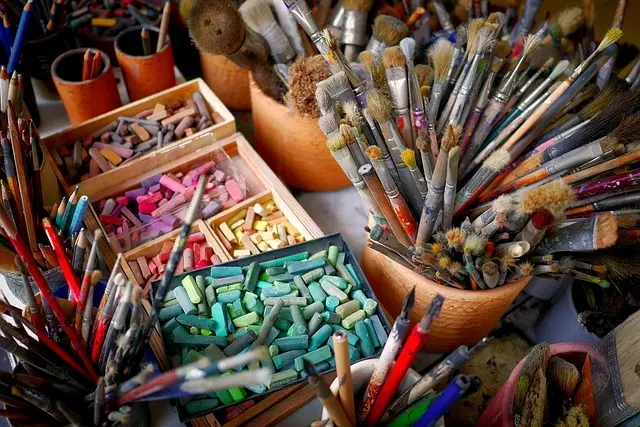
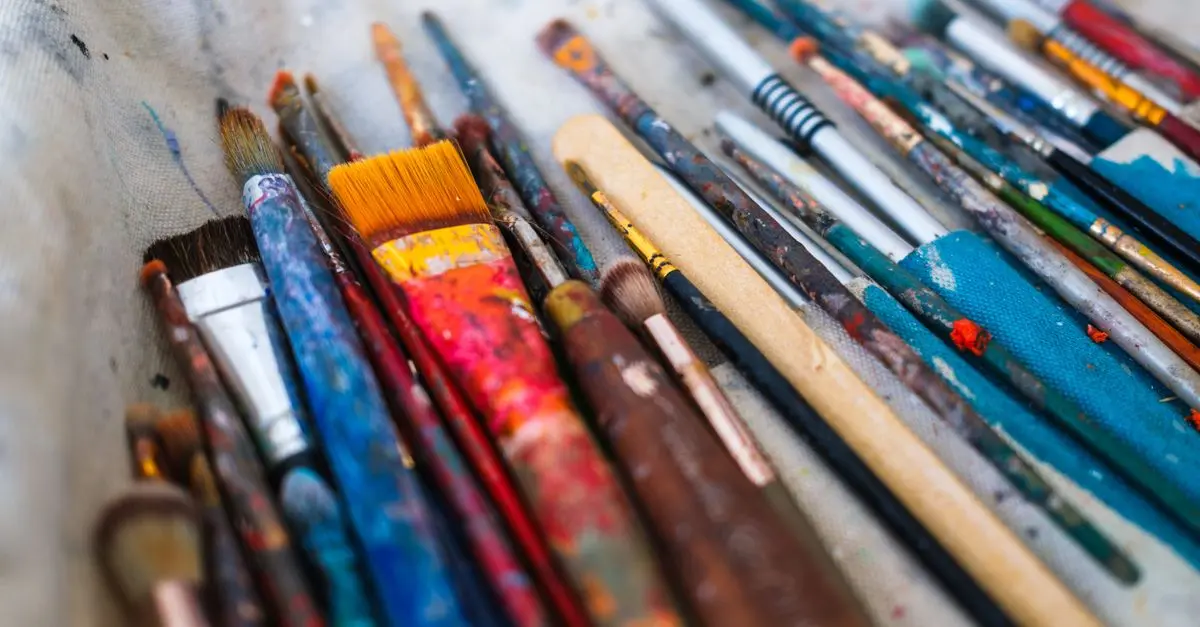
Quality art materials can significantly affect your work. While it may be tempting to start with lower-quality supplies to save money, investing in decent materials can enhance your creative experience. Seek brands known for their reliability, whether you use pencils, paints, or brushes. According to many artists, good quality can improve color application, texture distinction, and overall project results. Over time, you'll learn which materials suit your style best—so don't hesitate to experiment!
3. Develop Your Skills Through Practice
Practice is the backbone of artistic improvement. Remove the pressure of perfection and focus on your progression. Set aside dedicated time each week to draw or paint without the fear of critique. Consider tackling various subjects—nature, portraits, or abstract work—to diversify your skills. Many artists find structured classes beneficial for developing core techniques. Online platforms offer courses ranging from beginner to advanced levels. Remember, each stroke contributes to your growth.
4. Embrace Feedback
Receiving feedback can be uncomfortable yet is vital for growth. Share your work with fellow artists, friends, or online art communities. Constructive criticism should serve as a valuable resource for improvement. Platforms like Reddit and DeviantArt have dedicated spaces for artists to share their work and receive feedback in a supportive atmosphere. This exchange of ideas not only helps refine your skills but can also strengthen your connections in the art community. Embrace the perspective of seasoned artists to deepen your understanding.
5. Build a Daily Creative Habit
Establishing a daily creative practice can foster habit formation and creativity. Whether through journaling sketches, digital illustrations, or painting, find a routine that works for you. Many artists incorporate brief daily warm-up sketches to unlock their creativity—often shared on social media as 'Artist's Daily'. Keeping a sketchbook allows you to revisit ideas and track your progress over time. According to a survey from the National Endowment for the Arts, a consistent habit can lead to greater artistic satisfaction.
6. Explore Digital Tools
In today's artistic landscape, digital tools can expand your capabilities as an artist. Apps like Procreate or Adobe Fresco allow for extensive experimentation without the mess of traditional mediums. Familiarizing yourself with digital editing and illustration can open doors to new career prospects in graphic design, animation, and more. Dive into online tutorials specific to these tools and learn to create stunning visuals that can reach a wider audience.
| Digital Tools | Free Options | Professional Software | Verdict | |
|---|---|---|---|---|
| Learning Curve | Moderate | Easy | Advanced | |
| Community Support | High | Moderate | High | |
| Cost | Low | Variable | High | |
| Versatility | High | High | Very High |
8. Attend Art Exhibitions and Workshops
Engaging with the art community is an essential part of your development. Attending exhibitions allows you to gain insight into various artistic styles and techniques. Workshops offer hands-on experience with materials and mentorship from experienced artists. Additionally, many art fairs host networking events where aspiring artists can interact with professionals and enthusiasts alike. Start by looking for local events, or check out online workshops that offer flexibility in scheduling.
9. Create a Portfolio
A well-curated portfolio is crucial for artists looking to showcase their work for exhibitions or client purposes. Include a diverse range of your best work, demonstrating your skills and versatility. Ensure that each piece is presented professionally, paying attention to photography quality if showcasing digitally. Seek feedback on your portfolio from mentors or peers to refine what to include. An up-to-date portfolio can be a powerful tool for securing opportunities and collaborations.
10. Stay Open to Learning
The art world is constantly evolving. Staying informed about new techniques, trends, and mediums is crucial for any aspiring artist. Follow blogs, podcasts, or webinars from established artists in your field. Participate in forums that discuss contemporary issues in the art world. As you become more aware of the landscape, you'll establish your voice and direction in your art.
Glossary
| Term | Definition |
|---|---|
| Portfolio | A collection of an artist's best work intended for showcasing talent. |
| Medium | The materials used to create artwork (e.g., oil, watercolor, digital). |
| Critique | A detailed assessment of an artwork to suggest improvements. |
Checklist Before Getting Started
- [ ] Identify sources of inspiration
- [ ] Invest in quality art supplies
- [ ] Dedicate time for practice weekly
- [ ] Share your work for feedback
- [ ] Establish daily creative habits
- [ ] Document your journey
- [ ] Attend local workshops
- [ ] Create and refine your portfolio
- [ ] Stay informed about art trends
📺 Resource Video
**Watch