Table of Contents (14 sections)
Starting a career as an artist can be exciting yet daunting. Many new artists face obstacles that can derail their creative process and professional growth. Understanding these pitfalls can lead to a more fruitful journey. Here are ten common mistakes to avoid when starting as an artist.
1. Neglecting Artistic Development
One of the most significant mistakes new artists make is neglecting their artistic development. It’s tempting to skip learning the fundamentals, especially when you're eager to showcase your work. However, it’s crucial to invest time in honing your skills. Consider joining workshops or online courses to strengthen your techniques. According to the National Endowment for the Arts, individuals who receive formal artistic training develop a distinct style that can enhance their career prospects.
Investing in your artistic education fosters mastery, creativity, and confidence in your work.
2. Overlooking Personal Branding
In today’s digital age, artists cannot afford to overlook personal branding. New artists often believe that their work alone will speak volumes. However, building a personal brand significantly impacts visibility and recognition. A strong personal brand includes a coherent portfolio, a professional website, and active social media presence. According to Art Basel, artists with a well-defined brand are more likely to attract curated opportunities and commissions.
Consider dedicating time to create a narrative around your artwork that resonates with your audience.
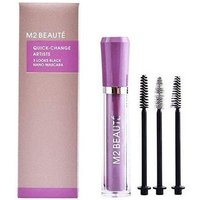
M2 Beauté Quick-change Artists 3 Looks Black Nano Máscara 10g *
DocMorris FR (ex DoctiPharma FR)
Sponsored by Awin Bruno
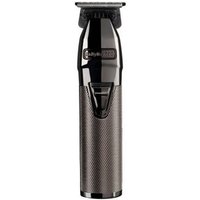
Babyliss Pro 4Artists Foilfx02 Silver 1ud
DocMorris FR (ex DoctiPharma FR)
Sponsored by Awin Bruno

Babyliss Pro 4Artists Lo-proFX FX825E Base Clippers 1ut
DocMorris FR (ex DoctiPharma FR)
Sponsored by Awin Bruno
3. Hesitating to Network
Networking is essential in the art world, yet many new artists hesitate to connect. They often feel unworthy or out of place among experienced artists. However, social interactions can lead to unexpected opportunities. Attend local art shows, exhibitions, and seminars. Utilize platforms like Instagram and LinkedIn to connect with fellow artists and art enthusiasts. Building a network involves sharing your work and engaging in discussions, which can lead to collaborations and mentorship opportunities. Research by the College Art Association indicates that networking is critical for career advancement in the arts.
4. Ignoring Feedback
Feedback is an invaluable tool for growth that many new artists choose to ignore. Constructive criticism can feel personal but engaging openly with it is part of professional development. Surround yourself with peers and mentors who can offer insights. Websites like DeviantArt provide a platform for artists to solicit feedback on their work. Understanding how others perceive your art is crucial for improvement.
Seek feedback regularly to refine and evolve your style, ensuring your work resonates with your audience.
5. Skipping Financial Planning
Many new artists neglect to create a financial plan for their artistic pursuits. Without a clear budget, it's easy to overspend on materials or marketing, which can lead to financial stress. Create a simple budget that includes expenses for supplies, marketing, and exhibitions. The Visual Arts Foundation suggests that financial literacy is critical for sustaining an art career. Additionally, consider exploring grants and funding options available to emerging artists.
Being financially prepared can ensure a smoother artistic journey, allowing you to focus on your creativity.
6. Setting Unrealistic Goals
Setting unrealistic goals is a common trap that new artists fall into. Aspiring to become a well-known artist overnight can lead to disappointment and frustration. Instead, set small, achievable goals. Break down larger ambitions into actionable steps. According to a report by the National Endowment for the Arts, artists who set realistic goals are more likely to maintain their motivation and create consistently.
Developing a structured plan with clear milestones can guide your progress effectively.
7. Fearing Failure
Fear of failure can paralyze creativity. New artists may hesitate to try new techniques, fearing that their experiments may lead to poor results. However, failure is a natural part of the artistic process. Embrace mistakes as learning opportunities. According to research from the American Association of Art Therapists, artists who challenge themselves creatively develop resilience and innovation. Remember, each misstep paves the way for growth and discovery.
8. Neglecting Online Presence
In an increasingly digital world, neglecting your online presence is a crucial mistake. Creating and maintaining a website and social media accounts can enhance visibility significantly. Artists who share their work online reach larger audiences. Websites like Behance and ArtStation allow you to showcase your portfolio effectively. According to statistics from Pew Research, 70% of people use social media to discover new artists. Prioritize your online presence to expand your reach.
9. Copying Other Artists
It’s natural to be inspired by other artists, but copying their work is a dangerous mistake. Imitation can lead to lost originality and hinder the development of your unique style. Aim to learn from your inspirations rather than replicate them. Review your favorite artists, and analyze what elements resonate with you. This practice can help you integrate those aspects into your work without directly copying.
10. Not Taking Care of Mental Health
Lastly, new artists often overlook mental health. Pursuing a career in art can be emotionally taxing. Stress, anxiety, and creative blocks are common challenges. It’s essential to prioritize self-care. Engage in activities that promote mental health, like meditation, exercise, or simply taking breaks from creating. Studies by the World Health Organization emphasize the importance of mental well-being in fostering creativity.
Incorporate routines that nurture your mental health to enhance your overall artistic experience.
Checklist for New Artists
- [ ] Invest in your artistic development
- [ ] Build a strong personal brand
- [ ] Network regularly with peers
- [ ] Keep the door open for feedback
- [ ] Create a financial plan
- [ ] Set realistic goals
- [ ] Embrace failures as part of the process
- [ ] Maintain an active online presence
- [ ] Develop your unique style
- [ ] Prioritize mental well-being
📺 For further exploration: How to Overcome Common Artist Challenges, dive into techniques that address these frequent obstacles. Search for "common mistakes new artists" on YouTube.
Glossary
| Term | Definition |
|---|---|
| Personal Branding | The practice of marketing oneself and their work. |
| Networking | Engaging with individuals to build professional relationships.
| Financial Planning | Organizing finances to manage income and expenses.
📺 Pour aller plus loin : common mistakes new artists sur YouTube
Recommended products
Selected by our experts
M2 Beauté Quick-change Artists 3 Looks Black Nano Máscara 10g *
DocMorris FR (ex DoctiPharma FR)
This product can enhance your artistic process, making it a perfect fit for those developing their craft.
Sponsored by Awin Bruno
Babyliss Pro 4Artists Foilfx02 Silver 1ud
DocMorris FR (ex DoctiPharma FR)
A tool designed to achieve a luxurious and precise finish in your art, essential for new artists focused on detail.
Sponsored by Awin Bruno
Babyliss Pro 4Artists Lo-proFX FX825E Base Clippers 1ut
DocMorris FR (ex DoctiPharma FR)
Ideal for artists looking to refine their techniques while maintaining top quality in their work.
Sponsored by Awin Bruno