Table of Contents (15 sections)
Becoming an artist is a journey filled with creativity, expression, and skill development. Whether you are just starting out or looking to refine your abilities, implementing effective strategies can significantly enhance your artistic capabilities. This article offers ten essential tips for new artists, aimed at helping you cultivate your skills and express your unique voice in the art world.
1. Practice Regularly
One of the most vital tips for new artists is to establish a consistent practice routine. Just as musicians play their instruments daily, artists must dedicate time to sketching, painting, or creating every day. This daily practice not only improves your technique but also promotes creativity. Set aside specific times during the week to focus solely on your artistry. According to various studies, regular engagement in art leads to significant skill enhancement over time—often measured in the development of muscle memory and familiarity with different mediums.
2. Explore Different Mediums
Experimenting with various art mediums plays a significant role in skill development. Don’t limit yourself to just one medium, such as paint or graphite. Instead, try different forms like digital art, watercolor, or collage. Each medium has its nuances and tools that can influence your overall style and technique. By understanding a variety of materials, you gain not only versatility but also invaluable insights into which mediums resonate with your artistic vision.
M2 Beauté Quick-change Artists 3 Looks Black Nano Máscara 10g *
DocMorris FR (ex DoctiPharma FR)
Sponsored by Awin Bruno
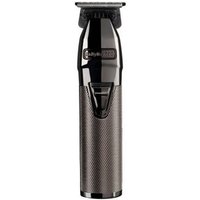
Babyliss Pro 4Artists Foilfx02 Silver 1ud
DocMorris FR (ex DoctiPharma FR)
Sponsored by Awin Bruno
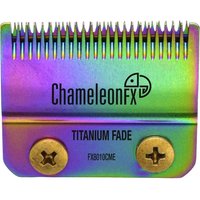
Babyliss Pro 4Artists Chameleon FX8010CME Blade 1ut
DocMorris FR (ex DoctiPharma FR)
Sponsored by Awin Bruno
3. Study the Masters
Learning from established artists can provide deep insights into the craft. Study the works of renowned artists, analyze their techniques, and identify what aspects resonate with your aspirations. Create a collection of artworks that inspire you and dissect the elements that make them impactful. Whether it's the use of color, texture, or composition, understanding these elements can elevate your art. Engaging with art history also fosters an appreciation for the evolution of styles and techniques, which is crucial for any artist's growth.
4. Join an Artistic Community
Building a network with fellow creatives can boost your confidence and provide critical feedback. Look for local art groups, online forums, or workshops. Sharing your work with others allows for constructive criticism, which is essential for growth. Discussing your creative challenges and successes with peers can inspire new ideas and techniques. As per the National Endowment for the Arts, being part of an artistic community significantly impacts motivation and commitment to one’s craft.
5. Set Goals
Goal-setting can provide direction in your artistic journey. Outline short-term and long-term goals, such as completing a series of paintings or mastering a specific technique. These goals give you something tangible to work towards and help you track your progress. Remember to make your goals measurable and realistic. Break larger ambitions into smaller, manageable tasks to avoid feeling overwhelmed.
6. Take Classes or Workshops
Investing in your education as an artist can be immensely beneficial. Consider enrolling in art classes or workshops. These provide structured lessons from experienced instructors that can significantly enhance your technical skills and knowledge of art principles. Participating in workshops also allows you to experiment with new techniques in a guided setting. Many community colleges and art schools offer affordable courses for beginners.
7. Create a Portfolio
As you develop your skills, curating a portfolio becomes essential. A well-structured portfolio showcases your best work and reflects your artistic journey. Focus on diversity in your pieces, including different styles and mediums, as this demonstrates versatility. Regularly update your portfolio to highlight your progress as an artist. A compelling portfolio is vital for pursuing further opportunities, whether for exhibitions or art-related jobs.
8. Embrace Criticism
Learning to accept feedback, both positive and negative, is crucial for any artist. Constructive criticism can provide valuable perspectives on your work that you may not have considered. Instead of viewing criticism as a setback, see it as an opportunity for growth. Engage with your critics to understand their viewpoints and integrate useful feedback into your future projects.
9. Use Social Media Wisely
Social media can be a powerful tool for new artists to promote their work. Create accounts on platforms like Instagram or Pinterest, which are visually oriented and cater to artists. Share your artwork regularly, engage with followers, and connect with other artists. Use relevant hashtags to enhance visibility and attract a broader audience. Analytics from these platforms can also provide insights into what content resonates best with your audience.
10. Stay Inspired
Finding inspiration is a perpetual journey for an artist. Surround yourself with creative stimuli—visit galleries, attend exhibitions, or explore nature. Keep an art journal where you jot down ideas, sketches, or thoughts that inspire you throughout the day. Regularly exploring new themes and concepts in art can ignite your creativity, helping you develop a distinctive style.
Conclusion
By following these essential tips for new artists, you can effectively build your skills and find your unique voice in the art world. Remember that every artist’s journey is different; embrace yours with passion and persistence.
Checklist before you start:
- [ ] Dedicate time for regular practice.
- [ ] Experiment with different mediums.
- [ ] Study works of master artists.
- [ ] Join an artistic community or group.
- [ ] Set clear, measurable goals.
- [ ] Consider taking classes or workshops.
- [ ] Curate a diverse portfolio.
- [ ] Embrace and seek constructive criticism.
- [ ] Use social media to showcase your work.
- [ ] Find inspiration in daily life.
Glossary
| Term | Definition |
|---|---|
| Medium | The materials used to create art, such as oil paint or charcoal. |
| Portfolio | A collection of an artist's work demonstrating their skills and style. |
| Constructive Criticism | Feedback that is intended to help the artist improve their work. |
> 🧠 Quiz rapide : What is one essential tip for new artists?
> - A) Practice irregularly
> - B) Focus on one medium
> - C) Create a consistent practice schedule
> Réponse : C — A consistent practice schedule enhances skill development.
📺 Resources Videos
Explore more about building skills as an artist! Check out detailed content on platforms like YouTube with search terms such as "art skills improvement tips 2026".
📺 Pour aller plus loin : art skills improvement tips 2026 sur YouTube
Recommended products
Selected by our experts
M2 Beauté Quick-change Artists 3 Looks Black Nano Máscara 10g *
DocMorris FR (ex DoctiPharma FR)
This product offers special features that can help enhance your artistic experience.
Sponsored by Awin Bruno
Babyliss Pro 4Artists Foilfx02 Silver 1ud
DocMorris FR (ex DoctiPharma FR)
A professional tool designed for precise work, ideal for artists looking to refine their techniques.
Sponsored by Awin Bruno
Babyliss Pro 4Artists Chameleon FX8010CME Blade 1ut
DocMorris FR (ex DoctiPharma FR)
This tool is excellent for artists who value versatility and high performance in their work.
Sponsored by Awin Bruno