Table of Contents (14 sections)
Sketching is an essential skill for any artist, offering a foundation for creativity and precision. Whether you're a novice or a seasoned artist, improving your sketching techniques can help bring your artistic visions to life.
1. Master Basic Shapes
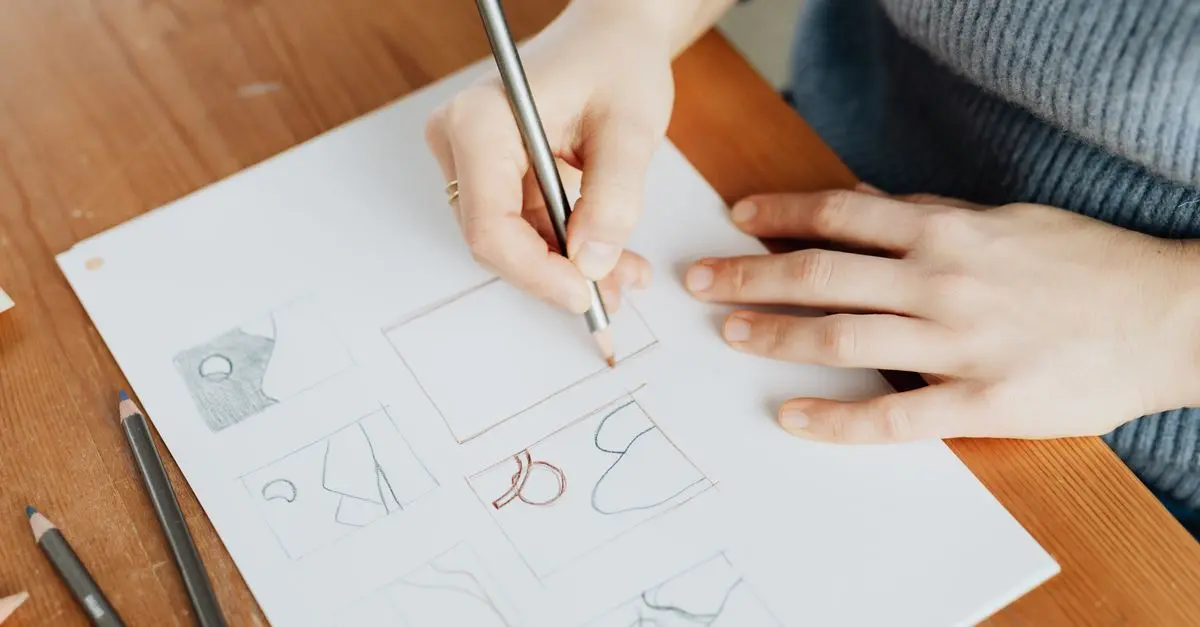
Understanding basic shapes like circles, squares, and triangles is crucial. These shapes are the building blocks for more complex images. Start by practicing drawing these forms in different sizes and orientations to gain control and accuracy. This exercise helps in creating more detailed and structured drawings by serving as a framework.
2. Understand Light and Shadow
Light and shadow add depth and realism to your sketches. Observe how light interacts with objects in real life and translate that into your drawings. Experiment with cross-hatching and stippling to create shadows. This technique helps your artwork pop by simulating three-dimensional depth on a two-dimensional plane.
3. Use the Right Materials
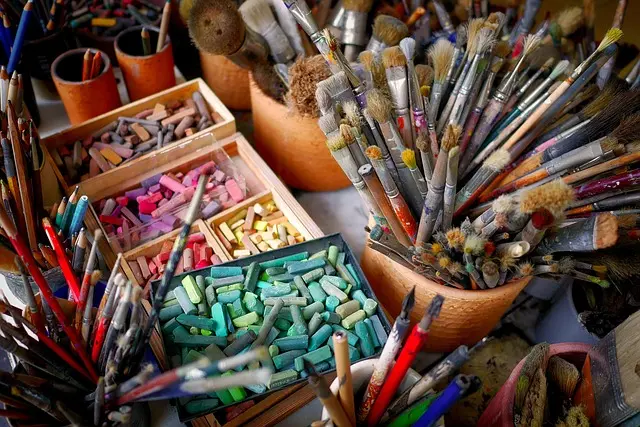
The right pencil and paper can make a significant difference. Experiment with various pencils (such as H, HB, B, etc.) to find one that suits your style. Similarly, select paper that works well with your medium. Some artists prefer smooth papers for its fine detail capabilities, while others choose rough surfaces for a bit more texture.
4. Practice Gesture Drawing
Gesture drawing captures the essence and motion of a subject. Timed quick sketches allow you to focus on form and movement rather than detail. This practice helps improve your observation skills and speed, essential for more dynamic and lively art.
📺 Resource Vidéo
📺 Pour aller plus loin : [Mastering Gesture Drawing], an in-depth exploration of capturing movement in sketches. Recherchez sur YouTube : "gesture drawing techniques for artists".
5. Experiment with Grids
Using a grid can help accurately capture proportions and perspective. By dividing your reference and drawing paper into equal squares, you can more easily see where lines intersect. It’s a helpful method for maintaining proportions and achieving realism in complex compositions.
6. Explore Line Variation
Lines aren't just outlines; they convey emotion and focus. Practice varying the pressure to create lines of different thicknesses. Thicker lines can suggest proximity, while finer lines might hint at distance. This technique adds interest and depth to your sketches.
7. Develop Your Own Style
Studying different artists is beneficial but developing your style sets your work apart. Experiment with unconventional techniques and materials to find what resonates with you. Your style reflects your personal expression and artistic freedom, turning standard sketches into unique representations.
8. Seek Feedback
Feedback is invaluable for growth. Connect with other artists through workshops or social media platforms like Instagram or DeviantArt. Constructive criticism from peers can offer insights into areas of improvement you may not notice on your own.
Conclusion
Improving your sketching techniques is a journey that combines practice, experimentation, and feedback. With dedication, you'll witness your artistic skills flourish.
🧠 Quiz rapide : Are you practicing sketching regularly?
- A) Yes, daily
- B) Only occasionally
- C) Not yet
Réponse : A — Consistent practice is key to mastery.
Checklist
- [ ] Master basic shapes
- [ ] Observe light and shadow
- [ ] Choose the right materials
- [ ] Practice gesture drawing
- [ ] Experiment with grid systems
- [ ] Explore line variation
- [ ] Develop a unique style
- [ ] Seek artist feedback
Glossary
| Terme | Définition |
|---|---|
| Gesture Drawing | A quick sketch capturing the movement or posture of a subject. |
| Cross-Hatching | A method of shading using intersecting sets of parallel lines. |
| Proportions | The relative size and scale of elements in a drawing. |