Table of Contents (19 sections)
Creating art is not just about the medium; it's about combining various elements to express unique ideas and emotions. One powerful method to elevate your artistic creations is through mixed media techniques. This approach blends different materials, mediums, and techniques to create innovative art. Understanding and experimenting with mixed media can lead to richer artistic expressions and inspire creativity.
1. What are Mixed Media Techniques?
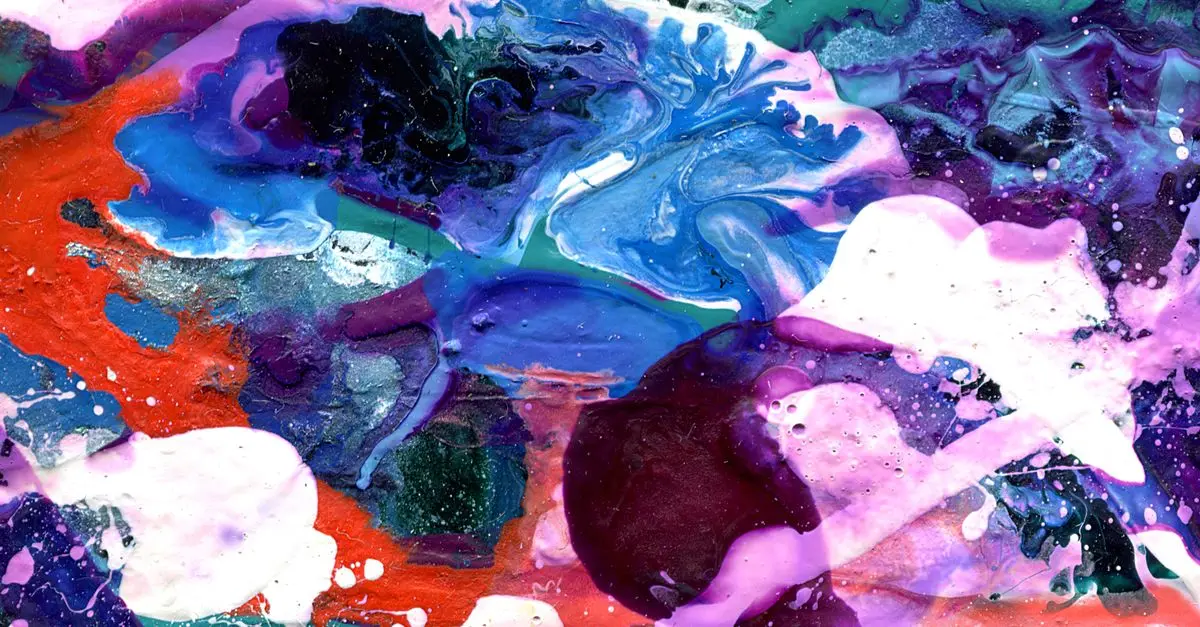
Mixed media techniques involve using more than one medium in a single artwork. Artists might combine traditional materials, such as oil paint and acrylics, with unconventional elements like collage, textiles, or even digital components. For example, an artist may start with a watercolor background, add oil pastels for detail, and finish with a layer of varnish for shine. This method allows for greater flexibility and creativity in expression, leading to unique art pieces.
The allure of mixed media lies in its versatility; it encourages artists to break free from traditional boundaries and explore the interplay of textures, colors, and forms. Notably, artists like Robert Rauschenberg and Hannah Hoch have famously used mixed media, combining painting with found objects, photography, and more to reflect complex themes and ideas. As art continues to evolve, mixed media remains a vital approach that fosters innovation and originality.
2. Step-by-Step Guide to Getting Started with Mixed Media
Step 1: Gather Your Materials
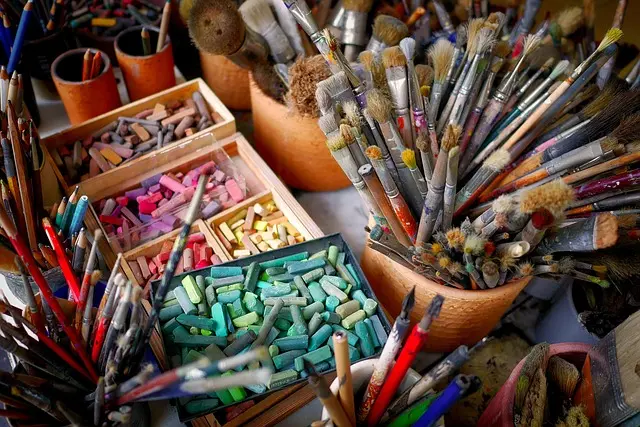
Before diving into mixed media, compile a diverse range of materials. This may include traditional supplies like paints and brushes, as well as unconventional items like magazines, fabric scraps, or natural objects. Having plenty of options will stimulate creativity.
Step 2: Choose a Surface
Selecting the right surface is crucial. Consider using heavy-weight paper, canvas, or wood panels. Ensure that the surface can withstand the weight and moisture of various materials. Experimenting with different textures can also enhance your design.
Step 3: Start with a Base Layer
Begin by laying down a base layer. This could be a simple wash of color with acrylic or watercolor, allowing it to dry completely before adding more layers. Alternatively, consider creating a collaged background by applying pasted magazine clippings.
Step 4: Layer and Combine Mediums
Next, build on your base layer. Incorporate various techniques, like stamping, stenciling, or using different brushes and tools to create patterns. Do not hesitate to blend mediums; for instance, add ink on top of acrylics or charcoal over pastels to achieve various effects.
Step 5: Finishing Touches
Finally, evaluate your artwork and decide on the finishing touches. This might include framing with a border, applying varnish for a glossy finish, or adding small details. Let your intuition guide you during this stage; it’s about enhancing the overall piece.
Pro Tips:
- Always test your materials on a small scale before committing to your artwork.
- Keep a journal of your techniques and results for future reference.

Enova Home Mixed Silk Hydrangea and Greenery Artificial Flowers Arrangement in Clear Cylinder Glass Vase for Home Decór
bedbathandbeyond.com
Plus Size Women's Mixed Print Knit Lounger by Only Necessities in Yellow Floral (Size 2X)
onestopplus.com
3. Common Mistakes to Avoid
While working with mixed media can be liberating, it’s crucial to avoid some common pitfalls. Many beginners make the mistake of layering without adequate drying time, which can lead to muddy colors and loss of detail. Another frequent error is overloading a piece with too many materials, which can overwhelm the viewer.
Instead, aim for balance—consider adhering to a cohesive color scheme or theme to unify your piece. Additionally, maintain organization; keep your workspace tidy to minimize distractions and foster a productive environment.
4. Comparison of Popular Mediums Used in Mixed Media
| Medium | Description | Pros | Cons |
|---|---|---|---|
| Acrylics | Fast-drying paints with vibrant colors | Versatile and easy to mix | Can dry quickly, limiting working time |
| Watercolors | Water-soluble pigments that create soft effects | Great for layering and blending | Less opaque and can be difficult to control |
| Pastels | Pigments in stick form that produce rich colors | Yields soft finishes and textures | Fragile and can smudge easily |
| Charcoal | Black carbon created for sketching | Excellent for fine details | Messy and difficult to erase |
5. Data-Driven Insights
According to a survey by Art Business News in 2025, 73% of artists expressed that mixed media methods expanded their creative horizons, allowing them to explore new styles and applications. Moreover, UFC-Que Choisir noted that mixed media-enabled artworks tend to attract a wider audience, increasing visibility and marketability for artists.
6. Frequently Asked Questions (FAQs)
Q1: What is mixed media in art?
A1: Mixed media refers to the use of various materials and techniques to create a single artwork, allowing for richer expression.
Q2: Do I need special training to start with mixed media?
A2: No, mixed media is accessible to anyone. Experimentation and practice are the keys to mastering the techniques.
Q3: Can I use found objects in my mixed media art?
A3: Absolutely! Found objects can add unique elements and textures, enhancing the symbolism or storytelling of the piece.
Q4: What are some affordable materials for mixed media?
A4: Everyday items such as newspapers, scrap fabric, cardboard, and leftover paints can be great materials for mixed media art without breaking the bank.
Plus Size Women's Mixed Media Floral Print Top by Avenue in Black Multi Bouquet (Size 18)
onestopplus.com
Plus Size Women's AnyWear Reversible Crisscross V-Neck Maxi Dress by Catherines in Purple Mixed Stripe (Size 0XWP)
onestopplus.com
L.L.Bean Women's L. L.Bean Cozy Mixed-Knit Pullover Dark Cinder Heather Small, Polyester Blend Cotton Polyester/Rubber
llbean.com
Checklist for Your Mixed Media Project
- [ ] Choose a theme for your artwork
- [ ] Gather a variety of materials
- [ ] Prepare your work surface
- [ ] Start with a base layer and let it dry
- [ ] Experiment with different techniques
- [ ] Avoid clutter and maintain organization
- [ ] Take breaks to evaluate your progress
- [ ] Seek feedback from fellow artists or mentors
Glossary
| Terme | Définition |
|---|---|
| Mixed Media | Utilisation de plusieurs matériaux et techniques dans une œuvre. |
| Layering | Ajouter plusieurs couches de matériaux pour enrichir l'art. |
| Texturiser | Créer des effets de texture dans l'art à l'aide de différents médiums. |
> 📺 For further exploration: Exploring Mixed Media Art, a deep dive into various mixed media techniques. Search on YouTube: "mixed media techniques for artists 2026".
📺 Pour aller plus loin : mixed media techniques for artists 2026 sur YouTube
Recommended products
Selected by our experts
Jonathan Green Black Beauty Rocky Mountain Mixed Sun or Shade Grass Seed 3 lb
acehardware.com

LSF Little Girls Rhiannon Mixed Print Maxi Dress - LILAC VANILLA / 5 LILAC VANILLA 5
loveshackfancy.com

Outsunny Set of 4 Outdoor Folding Chairs, Stackable Patio Dining Chairs with Armrests, Metal Frame, Light Mixed Brown
aosom.com