Table of Contents (8 sections)
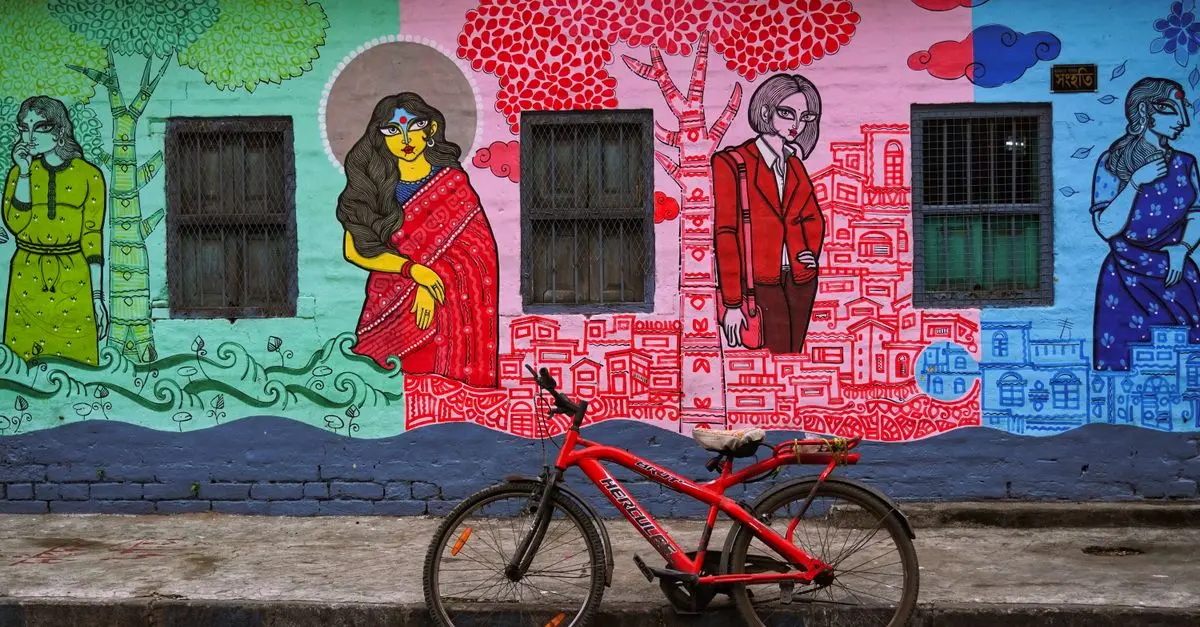
Street art and graffiti have long been misunderstood forms of expression, often regarded as mere vandalism. However, street art embodies much more, serving as a vibrant dialogue within urban landscapes. These art forms break traditional gallery boundaries, bringing art to the people in their daily environment.
In the many cities I've explored, the murals and tags speak volumes about local culture and societal issues. For instance, Banksy, a notorious street artist, has used his art to comment on politics and social justice, resonating with a global audience. This aligns with findings from the Street Art Research Institute, which notes that street art provides a voice to the marginalized (Source: Street Art Research Institute).
How to Become a Street Artist
Embarking on a journey to become a street artist involves more than just picking up a spray can. One must understand the history, techniques, and legal considerations involved in street art. Begin by observing, taking note of styles and messages in local artworks.
- Start with community murals: Many cities have initiatives where artists can contribute to public art projects.
- Practice your style: Develop a signature style by experimenting with stencils, wheat pasting, or freehand techniques.
Real experiences reveal that joining collectives can be invaluable. From personal encounters, I noticed that artists within collectives gain recognition faster and build critical networks.
Street Art vs. Graffiti: A Comparative Look
| Aspect | Street Art | Graffiti | Artistic Focus |
|---|---|---|---|
| Purpose | Public dialogue | Personal expression | Social commentary |
| Technique | Mixed media, murals | Spray paint, tags | Visual aesthetics |
| Cultural Impact | Widely embraced | Often criminalized | Community engagement |
| Legal Status | Legal in some forms | Mostly illegal | Varies |
Choosing between street art and graffiti often depends on one’s intention and the message they wish to convey. Each has its unique strengths, yet graffiti’s rebellious roots keep it shrouded in controversy whereas street art commands broader public appreciation.
Analyzing the Cultural Impact
Street art and graffiti have profound cultural impacts. According to the INSEE, urban enrichment through street art is linked to higher community engagement and increased tourism. In Berlin, the murals have transformed neighborhoods into vibrant tourist destinations, providing economic boosts.
These art forms often reflect societal changes and can be indicators of political sentiment. From personal observations in Rio de Janeiro, street art serves as commentary on social inequalities and political unrest.
Frequently Asked Questions
What are the legal implications of street art?
Street art legality varies; murals authorized by city councils are legal, while unauthorized graffiti is often considered vandalism.
How does street art affect property values?
According to UFC-Que Choisir, well-done street art can increase property appeal and sometimes even value.
Is street art environmentally friendly?
Most artists now prefer eco-friendly, non-toxic paints and materials to create lasting, sustainable art.
Is there a difference in public perception of street art and graffiti?
Yes, street art is often seen as more socially acceptable, while graffiti can have negative connotations.
📺 Resource Video
> 📺 For further insight: [Street Art and Graffiti: Cultural Revolution], an in-depth look at the evolution and impact of these art forms. Search YouTube: "cultural impact of street art and graffiti"
Glossary
| Term | Definition |
|---|---|
| Mural | A large painting applied directly to a wall. |
| Stencil | A thin sheet with a design cut out, used for
painting. |
| Wheat Pasting| Art technique of using liquid glue on paper |
Checklist for Aspiring Street Artists
- [ ] Understand the history of street art and graffiti
- [ ] Develop a unique style through experimentation
- [ ] Join local art collectives for networking
- [ ] Respect legal boundaries and community spaces
- [ ] Engage with community projects to gain exposure
🧠 Quick Quiz: What is the primary distinguishing factor between street art and graffiti?
- A) Legal status
- B) Technique
- C) Purpose
Answer: C — Purpose is the main distinguishing factor, as street art often aims for dialogue, whereas graffiti can be more personal expression.