Table of Contents (12 sections)
Creativity is a journey, often filled with ups and downs. As artists, we can experience creative blocks—periods when inspiration seems to vanish. In this guide, we will explore effective techniques to overcome creative blocks and maintain your artistic inspiration. Here, we will break down methods, share insights, and empower you to keep creating.
Understanding Creative Blocks: What They Are and Why They Occur
Creative blocks can affect any artist, regardless of their medium. These blocks are often temporary obstacles that make it challenging to create or produce new work. They can arise from numerous factors, such as stress, lack of motivation, self-doubt, or changes in life circumstances. Understanding the nature of creative blocks is crucial to overcoming them. Studies indicate that 70% of artists report experiencing creative blocks at some point in their careers, according to the Creative Industries Research Institute.
Additionally, many artists find these blocks can emerge after a significant project or landmark achievement—these moments can lead to feelings of pressure to continually produce high-quality work. Recognizing that these feelings are common can help normalize the experience and encourage self-compassion during tough periods. Reframing creative blocks as opportunities for growth can eventually contribute to a more robust artistic practice. By approaching them with curiosity instead of frustration, you can set the stage for an energetic resurgence of creativity.
Step 1: Create a Dedicated Creative Space
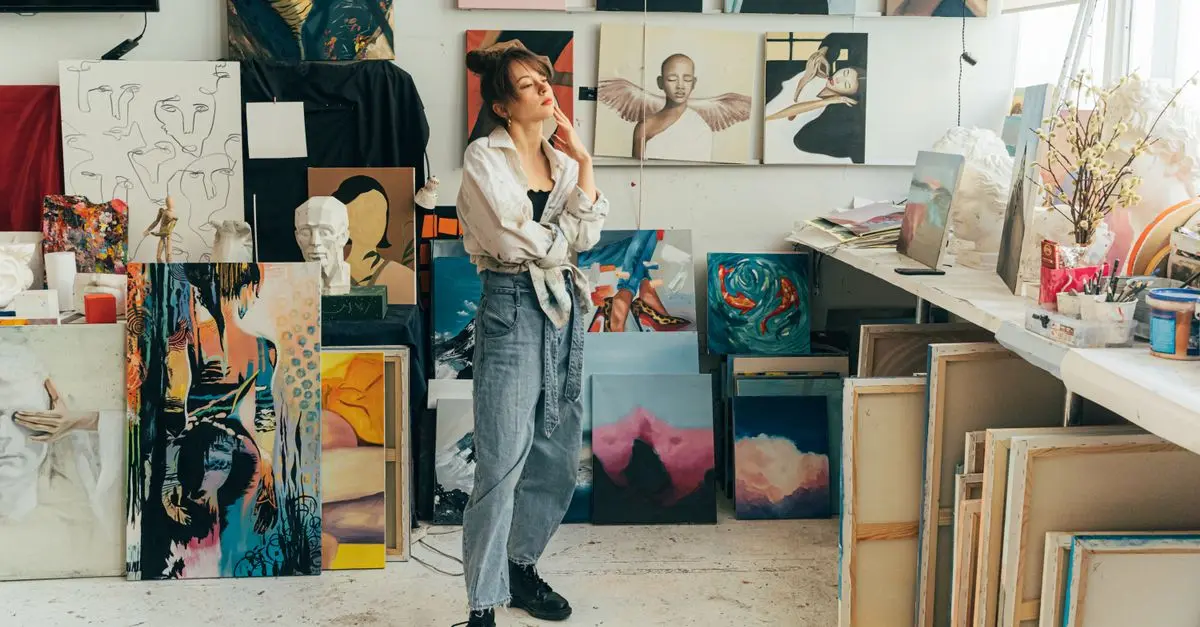
Your environment can significantly impact your creativity. Designating a specific area for your artistic endeavors helps minimize distractions and fosters focus. A dedicated workspace communicates to your brain that it’s time to create. Consider using elements that inspire you—decorative pieces, plants, or artwork that resonates with you.
Tip: Some artists find that adjusting the lighting or using scent can stimulate their creativity. For instance, a soft lamp can create a warm atmosphere that encourages exploration, while essential oils like lavender or citrus can invigorate the senses. Having the right chair can bring comfort and support during long creative sessions. We have selected several products suited to enhance your creative workspace, making it inviting and functional.
Step 2: Establish a Routine
Many successful artists swear by a structured routine. Creating art in a predictable pattern helps to train your brain to enter a creative mindset more easily. To establish a routine, determine when you feel most creative—are you a morning artist or a night owl? Set aside a consistent time each day dedicated exclusively to your art practice.
Even if you feel uninspired, establishing a habit of creating will help you push through those days where nothing seems to flow. For example, set a timer for 20 minutes for free drawing or creative brainstorming without judgment. The goal is not to produce a masterpiece but rather to get the creative juices flowing, allowing for new ideas to emerge.
Step 3: Engage in Collaborative Projects
Collaborating with peers is a vibrant method to overcome creative blocks. Networking with other artists can lead to fresh perspectives and ideas. Whether it’s joining a local art group or participating in an online challenge, surrounding yourself with other creatives can inspire you to push your boundaries.
Example of Collaboration:
Suppose you’re a painter collaborating with a writer; combining your artistic styles can lead to something entirely new and unexpected. These experiences not only expand your skillset but also keep the enjoyment in art. Be open to new ideas, learning from others, and contributing to collective creativity.
Step 4: Explore Different Techniques and Mediums
Venturing outside your usual style or medium can be refreshing. Experimenting with various techniques or tools can help re-ignite your passion for art. Dive into digital art if you typically paint, or challenge yourself to create art from unconventional materials. This experimentation opens doors to new inspirations and ideas.
For instance, consider attending a workshop that focuses on a different medium. Learning from an expert can also provide techniques you hadn’t considered, enhancing your skillset and expanding your creative horizons.
Step 5: Reflect and Document Your Journey
Keeping a creative journal can be a game-changer. Documenting thoughts, feelings, and daily artistic experiences helps track your emotional landscape regarding creativity. This retrospective approach allows you to assess periods of block and identify triggers. Furthermore, journaling can function as a springboard for new ideas.
Consider writing down three things you’ve enjoyed recently or techniques you want to explore further. This practice keeps your creativity alive and allows you to reflect on what inspires you and what does not, creating a roadmap for future projects.
Checklist for Overcoming Creative Blocks
- [ ] Set a dedicated creative space.
- [ ] Create a daily artistic routine.
- [ ] Engage with fellow artists.
- [ ] Experiment with new techniques and mediums.
- [ ] Maintain a creative journal.
📺 Resource Vidéo
> For further exploration: Discover how to beat creative blocks effectively with various actionable tips. Search on YouTube: "how to overcome creative blocks as an artist 2026"
Glossaire
| Terme | Définition |
|---|---|
| Creative Blocks | Temporary pauses in creativity due to various factors like stress or self-doubt. |
| Collaboration | Working with others to blend different artistic expressions and ideas. |
| Artistic Routine | A consistent schedule fostering art creation and exploration. |
---
📺 Pour aller plus loin : how to overcome creative blocks as an artist 2026 sur YouTube
Recommended products
Selected by our experts