Table of Contents (10 sections)
Artistic practice is more than just the act of creating; it's a journey of exploration, growth, and self-discovery. Many aspiring artists seek methods to refine their skills and deepen their connection to their craft. This article outlines five essential tips that can help you cultivate your artistic practice effectively.
1. Establish a Routine
Creating a consistent routine can significantly enhance your artistic practice. By setting aside dedicated time for your art, you train your mind to transition into a creative space. For instance, dedicate one hour each morning to sketching or painting. Over time, this practice will improve your skills and foster a sense of discipline. According to a study from the University of Massachusetts, artists who stick to a routine are 30% more productive than those who don't.
Having a routine helps you create momentum. For example, you might start with 20 minutes daily, gradually increasing your time as you become more comfortable. This method not only improves your technique but also makes art a part of your daily life.
2. Experiment with Different Mediums
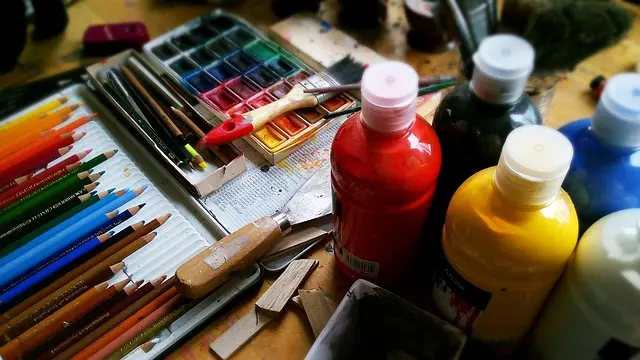
One way to enrich your artistic practice is to experiment with various mediums. If you're primarily a painter, why not try sculpture or digital art? Engaging with different formats encourages versatility and innovation in your work. This exposure can also help you discover new techniques that you might blend into your main practice.
For instance, mixing watercolor with ink or acrylic can yield unique results and deepen your understanding of color and texture. Many artists report feeling revitalized after stepping out of their comfort zones and trying new materials, enhancing their creative voice.

tasc : Sculptive Practice Set- Black - Size XL in XL - tasc Performance
tascperformance.com
tasc : Sculptive Practice Set- Black - Size XL in L - tasc Performance
tascperformance.com
tasc : Sculptive Practice Set- Black - Size S in XL - tasc Performance
tascperformance.com
3. Seek Feedback from Peers
Receiving constructive feedback is crucial for growth in any artistic practice. Connecting with fellow artists allows for sharing ideas and methods, leading to a richer understanding of your work. Set up a critique group with fellow artists or participate in online forums where you can share your pieces and receive feedback.
According to CreativeBloq, artists who regularly seek critiques from peers see a 40% increase in their skill improvement. This practice can help identify your strengths and areas that require work, propelling your growth at a much faster rate.
4. Attend Workshops and Art Events
Engaging with the broader artistic community through workshops and events can significantly enhance your artistic practice. These gatherings offer unique opportunities to learn from seasoned artists, try new techniques, and network with like-minded individuals. Participating in a workshop allows you to focus on a specific skill and gain insights that might not be available in your personal practice.
Moreover, events like gallery openings or art fairs can inspire you. Exposure to diverse styles and ideas can reignite your passion for art. It’s also a chance to discuss your work with others, seeking diverse perspectives that can broaden your artistic lens.
5. Set Personal Goals
Goal-setting is a powerful tool in developing your artistic practice. Creating short-term and long-term goals keeps you motivated and focused. For example, aim to create one completed artwork every month or explore a new technique every two weeks. Goals provide a clear direction and accountability, encouraging you to push the boundaries of your creativity.
According to a survey by ArtBusiness, artists with specific goals are 50% more likely to feel satisfied with their artistic journey. Remember to review your progress periodically and adjust your goals based on your evolving interests and experiences.
📺 For further insight:
[Artistic Growth Through Routine: An Overview], a deep dive into establishing effective creative habits. Search on YouTube for: "artistic practice growth 2026".
Conclusion
Cultivating an artistic practice involves dedication, exploration, and community. By establishing a routine, experimenting with new mediums, seeking peer feedback, attending workshops, and setting clear goals, you can create a rich and fulfilling artistic journey. Remember, every artist's path is unique, so find what resonates with you and embrace the process of creation.
Checklist for Cultivating Your Artistic Practice
- [ ] Establish a daily routine for creativity.
- [ ] Experiment with at least two new mediums.
- [ ] Join or form a critique group.
- [ ] Attend at least one workshop this year.
- [ ] Set specific short-term and long-term artistic goals.
Glossary
| Terme | Définition |
|---|---|
| Artistic Practice | The ongoing process of creating and enhancing one's art. |
| Medium | The materials or techniques used to create artwork. |
| Feedback | Constructive criticism and advice given to improve art skills. |
> 🧠 Quick Quiz: What is the most effective way to foster artistic growth?
> - A) Keep working alone
> - B) Seek peer feedback
> - C) Avoid experimenting
> Answer: B — Engaging with peers provides invaluable insights and encourages growth.
📺 Pour aller plus loin : artistic practice growth 2026 sur YouTube
Recommended products
Selected by our experts
tasc : Sculptive Practice Set- Black - Size XL in XL - tasc Performance
tascperformance.com
This Sculptive Practice Set is designed for artists who value comfort and mobility, essential for long creative sessions.
tasc : Sculptive Practice Set- Black - Size XL in L - tasc Performance
tascperformance.com
The Sculptive Practice Set provides flexibility and style, making it a practical choice for any artist looking to elevate their practice.
tasc : Sculptive Practice Set- Black - Size S in XL - tasc Performance
tascperformance.com
Ideal for artists who appreciate a supportive and stylish outfit while engaging in their creative practice.