Table of Contents (10 sections)
What is Artistic Style?
Artistic style refers to the unique way an artist expresses their thoughts, emotions, and ideas through their work. It encompasses various elements such as color, form, technique, and subject matter. Developing your unique artistic style allows you to differentiate yourself from other artists and brings authenticity to your creations. This process takes time and can involve trial and error; however, it ultimately leads to an enriching artistic journey.
Understanding the significance of having a unique style is crucial in the art world. According to statistics, artists with a distinct style have a greater chance of gaining recognition, leading to opportunities for greater exposure and sales. According to recent data, artists who invest in discovering their personal style are 60% more likely to be featured in exhibitions. By cultivating your unique voice, you not only appeal to potential buyers but also foster a deeper emotional connection with your audience.
Step 1: Explore Different Mediums
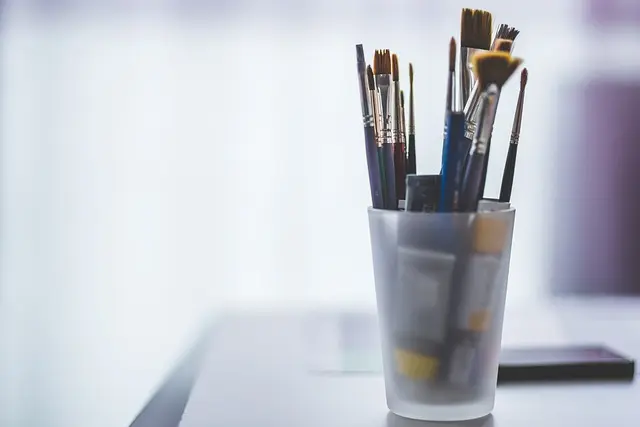
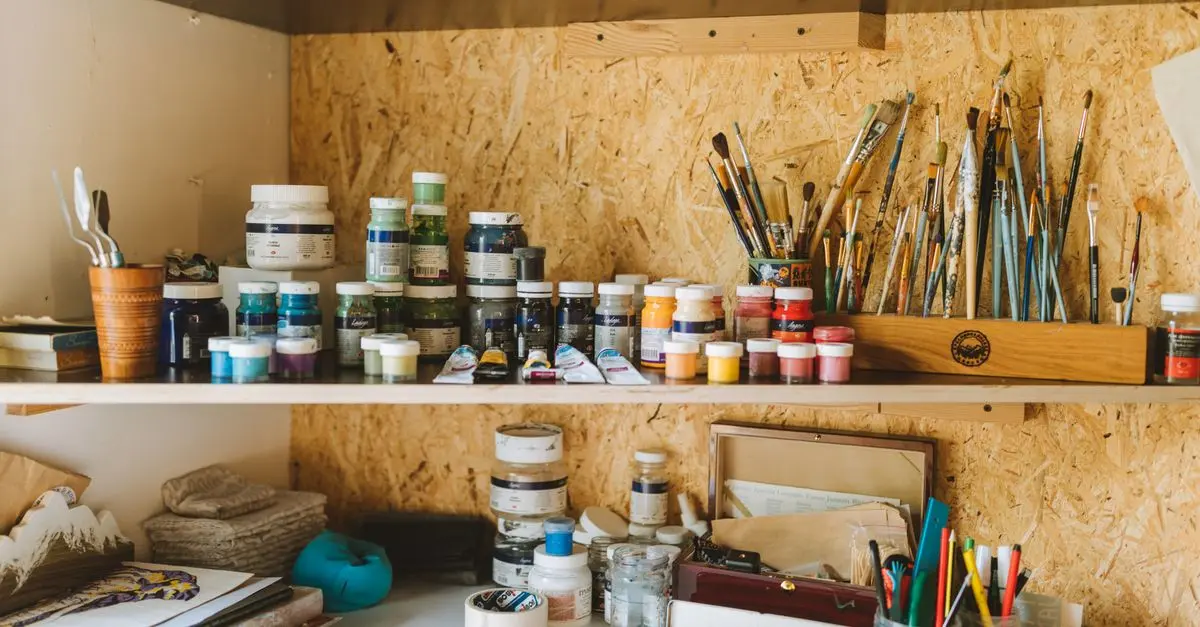
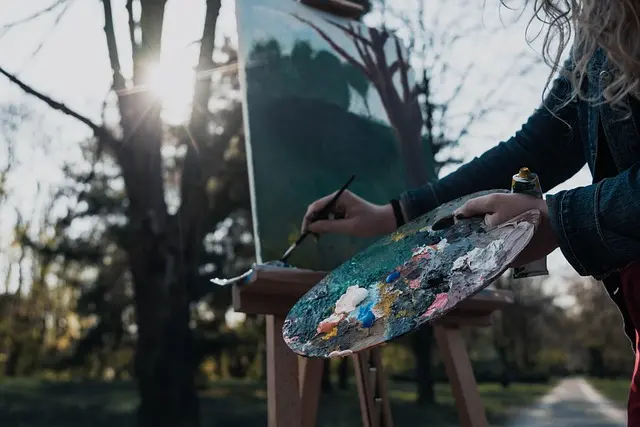
Before you can develop your unique artistic style, you need to experiment with various mediums. This could include painting, drawing, sculpture, digital art, or mixed media. Exploring different mediums is essential because it helps you discover not only what you enjoy but also what resonates with your artistic vision. For example, if you usually work with oil paints, try experimenting with watercolors or digital painting.
Engaging with different materials can lead to exciting discoveries. You may come across a specific technique or effect that speaks to you. Don't be afraid to mix and match: combine acrylics with ink, or try a collage of photographs and drawings. Each medium brings its own emotional weight and storytelling capability. Keep a journal to document your experiences and what you learn from each medium to build a foundation for your style.
Step 2: Study the Masters
Next, it's crucial to study artists whom you admire. Dive deep into their portfolios: analyze their techniques, color palettes, and themes. Ask yourself, what draws you to their work? What emotions do they evoke for you? Consider creating a mood board that showcases their artwork alongside your interpretations and explorations of similar ideas. This touchpoint can serve as inspiration as you forge your own path.
One helpful method is to attempt copying a finished piece of work from an artist you admire. This will help you understand their techniques and thought processes. According to research on artistic development, studying from the masters can significantly increase your artistic skill and efficiency—sometimes by over 70%. But remember, this exercise is a stepping stone, not a destination. Use these influences as fuel for your creativity, not as a template for imitation.
Step 3: Reflect on Your Influences
Art doesn't exist in a vacuum, and your experiences shape your artistic voice. Reflect on your life, the emotions you want to convey, and the messages you wish to communicate through your art. Compile a list of personal influences: significant life events, places you’ve traveled, cultural references, and achievements. This reflection will give you a clearer sense of what themes and narratives you want to explore in your work.
For instance, if you've had experiences in nature that profoundly impacted you, consider incorporating elements of that into your art. According to a study by the Art Institute of Chicago, artists who explore personal narratives tend to create more compelling work, as they share a piece of themselves with the audience. Engaging with your influences allows you to craft a story through your art, enhancing the connection between you and the viewer.
Step 4: Create a Consistent Portfolio
With a clearer understanding of your style from your explorations and reflections, it’s time to create a body of work that represents your unique perspective. Start gathering pieces that resonate with that vision. Ensure you have a diverse range of works, yet keep a consistent theme or style that ties the works together.
Consider using feedback from peers or mentors to refine your portfolio. Aim to have a portfolio that showcases your unique style clearly, as it is often the first impression you’ll provide to galleries or potential clients. A cohesive portfolio can significantly enhance your professionalism and marketability. Statistics reveal that artists with 10-15 cohesive works in their portfolio are more likely to attract attention from galleries and buyers.
Step 5: Gather Feedback
Once you've created a portfolio that represents your unique style, gather feedback from fellow artists, mentors, or through social media platforms. Their perspectives can offer valuable insights into how effectively you convey your artistic voice. Ensure to ask specific questions to gain constructive criticism, such as, "Do you see a clear theme in my work?" or "What emotions does this piece evoke for you?"
Utilizing platforms like Instagram, where artists frequently share their work, can provide instant engagement and feedback from a broader audience. Engaging with followers can also help gauge market interest, which is invaluable for any developing artist. Remember, constructive criticism is crucial for growth, so be open to suggestions and willing to revise based on the feedback received.
Checklist for Developing Your Artistic Style
- [ ] Experiment with multiple artistic mediums
- [ ] Create a mood board with inspirations from admired artists
- [ ] Reflect on personal experiences and influences
- [ ] Develop a cohesive portfolio with a clear theme
- [ ] Seek feedback from peers and audiences
📺 To go further: Discover the journey of artistic creation in this insightful YouTube video.
Glossary
| Term | Definition |
|---|---|
| Artistic Style | The unique method of expression used by an artist, including techniques and themes. |
| Medium | The materials used in an artwork, such as paint, pastel, or digital tools. |
| Portfolio | A curated collection of an artist's work, representing their artistic style and capabilities. |
> 🧠 Quick Quiz: What is the first step to developing your unique artistic style?
> - A) Gather feedback from others
> - B) Explore different mediums
> - C) Study the masters
> Answer: B — Exploring different mediums lays the foundation for discovering your unique style.
📺 Pour aller plus loin : how to develop your unique artistic style sur YouTube