Table of Contents (21 sections)
Establishing a sustainable artistic practice is crucial for every aspiring artist. Not only does it enable consistency in your creative expression, but it also builds a foundation for long-term growth in the arts. In this guide, we will walk you through essential steps to help you grow your artistic practice effectively.
1. Define Your Artistic Vision
Before diving into your artistic practice, take time to define your vision. What themes resonate with you? What is the message you want to convey through your art? For example, if you love nature, you might focus on environmental themes. Write down your artistic goals and how you want your audience to perceive your work. This foundational step helps guide your choices and keeps your practice aligned with your core beliefs.
Practical Tips
- Journaling: Keep a journal to explore your thoughts and ideas.
- Visual Board: Create a mood board that visually represents your artistic vision.
- Research: Look into artists who inspire you and analyze their work.
2. Develop a Routine
An artistic practice flourishes with a set routine. Devote specific hours each week to your craft. Whether it’s painting, sculpting, or writing, consistency is key. Research indicates that having a routine can enhance creativity and productivity. For instance, famous artists like Pablo Picasso adhered to strict schedules which fueled their prolific output.
Setting Your Routine
- Choose Time Slots: Select periods when you feel most creative—early mornings or late evenings can be ideal.
- Limit Distractions: Establish a distraction-free workspace during your dedicated art time.

Splicing New Long Sleeved Shirt For Men, Fashionable And Versatile, Artistic And Casual Loose Top
Voghion Global
3. Gather Your Tools and Materials
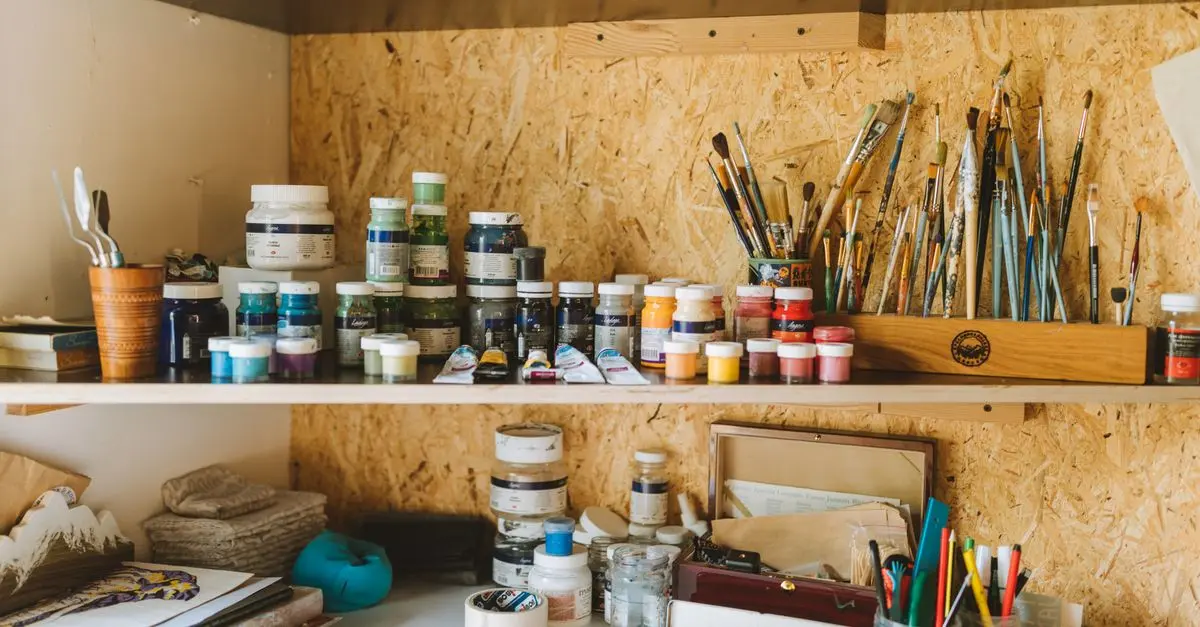
Having the right tools and materials enhances the artistic process. Depending on your medium, invest in quality supplies—whether canvases, paints, or software for digital art. While it’s tempting to start with minimal supplies, according to artists' feedback, quality greatly affects outcomes.
Recommended Supplies
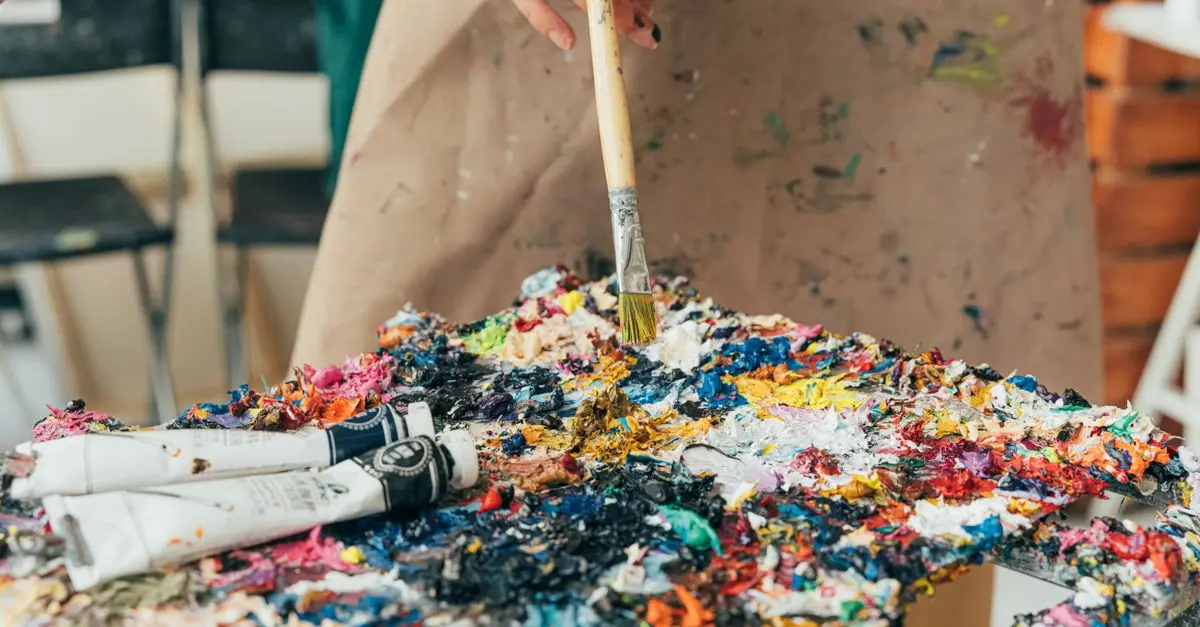
- Quality brushes and paints for painters.
- A solid sketchpad for sketch artists.
- Digital tools for graphic artists (software and tablets).
4. Explore Different Mediums and Techniques
Experimentation allows you to discover your preferred style and medium. Whether you’re a painter, sculptor, or digital artist, trial and error can lead to breakthroughs in your art. Many well-known artists started with one medium and transitioned, like Vincent Van Gogh, who explored multiple styles throughout his career.
Simple Exercises
- Dedicate time each month to try a new technique or medium.
- Collaborate with other artists to gain insights into their practices.
5. Seek Feedback and Engage with a Community
Creating in isolation can limit your growth. Join art classes, online forums, or local art groups. Gathering feedback from fellow artists or mentors provides new perspectives on your work. Platforms like ArtStation or DeviantArt also allow you to share your work for critique and appreciation.
Building Your Network
- Attend workshops or artist talks to meet like-minded individuals.
- Utilize social media to showcase your art and get constructive criticism.
6. Document Your Progress
Keeping track of your artistic journey is crucial in recognizing how far you’ve come. Consider maintaining a portfolio that showcases various stages of your work. Many artists report that seeing their progress boosts motivation. Thus, documenting not only serves as a record but as a source of inspiration and motivation.
Documentation Tips
- Take photos of your artwork at different stages to compare.
- Maintain a log of daily or weekly accomplishments and challenges faced.
7. Promote Your Work
Having a great body of work is important, but getting your art seen is equally essential. Utilize social media platforms and personal websites to showcase your creations. According to a survey conducted by Artfinder, 62% of artists boost their recognition through online sales and marketing strategies.
Effective Promotion Strategies
- Create a professional website showcasing your portfolio and artist statement.
- Use platforms like Instagram or Pinterest to visually engage your audience.
8. Stay Committed
The final step to establishing a sustainable artistic practice is commitment. Be persistent and patient—great art takes time to develop. Celebrate small victories along the way and don't be discouraged by setbacks. According to artists' experiences, resilience is a vital trait for success.
Daily Reminders
- Set daily intentions for your practice, even if it means just sketching for five minutes.
- Keep a motivational quote visible in your workspace to remind you of your goals.
Checklist for Building Your Artistic Practice
- [ ] Define your artistic vision.
- [ ] Create a consistent routine.
- [ ] Gather quality tools and supplies.
- [ ] Experiment with different mediums.
- [ ] Seek feedback from peers and mentors.
- [ ] Document your artistic progress.
- [ ] Promote your work online.
- [ ] Commit to your practices daily.
Glossary
| Terme | Définition |
|---|---|
| Artistic Practice | A systematic approach to creating and developing art. |
| Medium | The material or technique used by an artist to create artwork. |
| Portfolio | A collection of an artist's work, showcasing their skills and evolution. |
📺 Resource Video
> 📺 For further insights: Explore effective ways to establish your artistic practice, search on YouTube: how to develop an artistic practice 2026.
🧠 Quick Quiz: What is the most important aspect of developing an artistic practice?
- A) Quantity of work produced
- B) Consistency in practice
- C) Wide array of mediums used
Answer: B — Consistency allows artists to improve and build a strong body of work.
📺 Pour aller plus loin : how to develop an artistic practice 2026 sur YouTube
Recommended products
Selected by our experts
Artistic Mastery with MidJourney
Alison US CA
This artistic mastery course provides valuable insights into improving your skills and developing a strong creative practice.
Splicing New Long Sleeved Shirt For Men, Fashionable And Versatile, Artistic And Casual Loose Top
Voghion Global
This versatile shirt is perfect for artists who need comfort and style while working in their creative environments.