Table of Contents (16 sections)
Developing your artistic style is a crucial step for any emerging artist. It serves as your unique fingerprint in the vast world of art, distinguishing you from others and allowing your voice to shine through. In this guide, we will explore effective methods to help you develop your artistic style and cultivate your creative identity.
1. Understand Your Influences
To begin, it’s essential to analyze your artistic influences. Reflect on the artists, styles, and movements that resonate with you. Are you drawn to the bold colors of Van Gogh, the ethereal forms of Monet, or perhaps the conceptual depth of Damien Hirst? Take the time to create a list or a mood board of works that inspire you. This exercise not only highlights your preferences but also provides a framework from which you can start building your unique style.
Tip: Explore various art forms beyond just painting, such as sculpture, digital art, or photography. Experimentation can spark new ideas that resonate with your aesthetic.
Common Pitfalls
Many beginners fall into the trap of mimicking their influences too closely. While it's natural to draw inspiration, strive to blend these styles with your own experiences and emotions to create something distinctive.
2. Experiment with Different Mediums
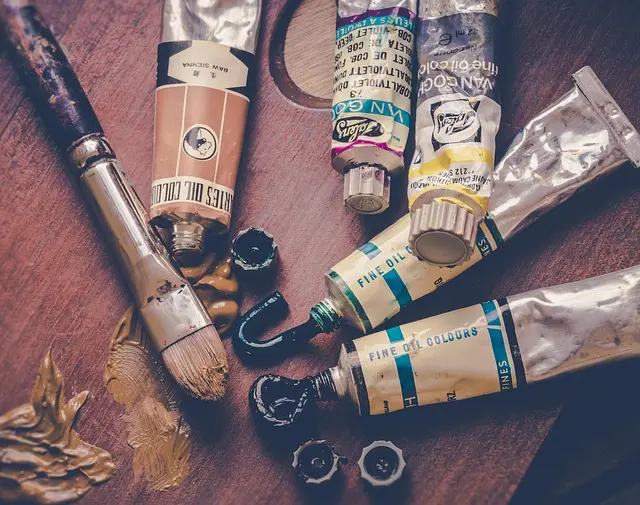
Don’t limit yourself to one medium; experimentation is key to developing your artistic style. Try different types of paint, digital tools, or even mixed media. Each medium has its unique characteristics and can evoke different emotions or visual experiences.
For instance, using oil paints might allow for more blending and depth, whereas acrylics can dry quicker, encouraging more spontaneous applications. Consider setting aside time each week to explore a new medium.
Expert Insight
> 💡 Expert Opinion: According to art instructor Jane Johnson, "Experimentation is fundamental in the creative process. Allow yourself to play without worrying about the outcome. You might discover a new technique that becomes the foundation of your style."
3. Develop a Personal Project
Embarking on a personal project can channel your creativity and help you align your influences with your unique vision. Choose a theme that resonates with you—whether it’s exploring personal experiences, societal issues, or simply capturing the beauty around you.
Consider working on a series of paintings around this theme—this repetition encourages refinement. For example, a project focusing on urban landscapes could lead to a consistent stylistic approach, with each piece reflecting different perspectives or techniques.
Checklist for Successful Projects
- [ ] Choose a theme that genuinely excites you.
- [ ] Set a completion timeline to keep yourself accountable.
- [ ] Share progress on social media for feedback and encouragement.
4. Seek Constructive Critique
Receiving feedback can be daunting yet crucial for growth. Engage with fellow artists and art communities to gain different perspectives on your work. Constructive criticism can help refine your style and identify areas for improvement.
Join local art groups or online forums, and don’t hesitate to reach out to more experienced artists for mentoring. Creating a dialogue about art can unlock new insights and inspire further exploration of your style.
Tip: When seeking feedback, focus on aspects like composition, color use, and emotional impact rather than technical execution alone.
5. Document Your Progress
Keeping an art journal is an excellent way to track your evolution as an artist. Document your experiments, influences, and reflections on your work. This practice not only helps you see how far you’ve come but can also reveal recurring themes and techniques you might want to incorporate into your artistic style.
Consider including sketches, notes on your process, and thoughts on your emotional connection to each piece. Over time, this documentation will inform your ongoing development and offer a rich resource for inspiration.
6. Embrace Vulnerability
Allow yourself to be vulnerable in your art. Authenticity is at the core of any compelling artistic style. Share pieces that resonate with your emotional experiences, as this authenticity will speak to others, creating a deeper connection with your audience.
Explore themes that are personal to you, and don’t shy away from expressing your feelings through your art. Remember, the strongest art often emerges from our most honest moments. Accepting vulnerability can be liberating and transformative in your artistic journey.
Reminder
Art is not always about perfection; it’s about telling a story and sharing your perspective.
Conclusion
Developing your artistic style is a journey that requires both exploration and self-reflection. By following these steps, you can cultivate a style that is uniquely yours, resonating with both you and your audience. Embrace experimentation, document your journey, and do not hesitate to showcase your vulnerability.
Checklist for Developing Your Artistic Style
- [ ] Identify your artistic influences.
- [ ] Experiment with various mediums.
- [ ] Start a personal project.
- [ ] Seek and assess feedback from peers.
- [ ] Maintain an art journal.
- [ ] Embrace vulnerability in your work.
📺 For further exploration:* Explore Artistic Styles*, a comprehensive video analyzing how to find your unique voice as an artist. Search on YouTube: "how to develop artistic style as an emerging artist".
Glossaire
| Terme | Définition |
|---|---|
| Medium | Technique ou matériel utilisé pour réaliser une œuvre d'art, comme la peinture, le pastel, ou le numérique. |
| Vulnerability | Capacité à partager ses émotions et expériences personnelles à travers l'art.
| Mood Board | Un collage visuel d'images, de couleurs et d'inspirations pour guider le processus créatif.
Quiz rapide:
> 🧠 What is the first step in developing your artistic style?
> - A) Choosing a project
> - B) Understanding your influences
> - C) Experimenting with mediums
> Réponse : B — Identifying your influences is critical as it lays the foundation for your unique style.
📺 Pour aller plus loin : how to develop artistic style as an emerging artist sur YouTube