Table of Contents (15 sections)
Artistry is a continuous journey of growth. Whether you’re just beginning or looking to refine your craft, enhancing your artistic skills is essential. Below are actionable tips to elevate your abilities and ensure your creativity flourishes.
1. Practice Daily
Creating every day, even if just for a short period, can significantly enhance your artistic skills. The more you create, the more you learn. Establish a routine that encourages you to sketch, paint, or sculpt consistently. For instance, consider setting a timer for 20 minutes each day to work on a small project. Over time, you’ll see improvements in your technique and confidence. Regular practice is also associated with increased creativity, as numerous studies suggest that routine engagement can lead to unexpected inspirations.
2. Study Art Fundamentals
Understanding the fundamentals of art—like composition, color theory, and perspective—can greatly transform your work. By mastering these building blocks, you can create more compelling and cohesive art pieces. Enroll in local art classes, take online courses, or even pursue tutorials available on platforms like YouTube. Consider focusing on one fundamental at a time, applying what you learn to your projects. Studies indicate that artists who master these basics can innovate more effectively, merging traditional techniques with their unique styles.
3. Seek Feedback
Feedback is critical for growth. Sharing your work with others can provide fresh perspectives and constructive criticism. Join online communities, local art groups, or participate in workshops where you can present your work. Many artists find that this exchange of ideas not only provides motivation but also highlights areas for improvement. According to peer-reviewed studies, peer feedback can increase artistic skills and foster a more profound understanding of one's creative process.
4. Experiment with Different Mediums
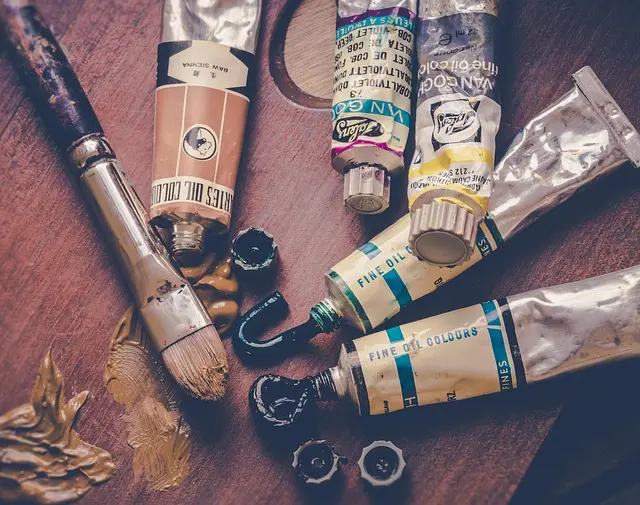
Branching out to different mediums can enhance your artistic skills. Whether it’s trying oils after working with acrylics or exploring digital art for traditional painting, each medium offers unique challenges that foster creativity. Additionally, experimenting can lead you to discover new techniques and styles. Have an open mind—try mixing mediums or using unconventional tools. Embrace failures as a part of the learning process; they often lead to breakthroughs in creativity.
5. Create an Inspiration Board
An inspiration board can serve as a personal muse. Collect images, colors, textures, and notes that resonate with your artistic vision. This visual collage can help you steer your projects and ignite your creativity when you feel stuck. Studies show that engaging emotionally with sources of inspiration can enhance creative output. Consider dedicating a space in your studio to showcase your board—update it regularly to keep your creativity sparked.
6. Attend Art Exhibitions
Visiting galleries and exhibitions can provide valuable inspiration and insight into current artistic trends and techniques. Observing how different artists exhibit their work opens up new avenues for creativity and encourages you to think outside the box. This exposure can significantly influence your style and approach; many artists report finding their voice after attending multiple exhibitions. As art critic Jerry Saltz states, “Seeing art is not just looking; it's about challenging yourself.”
7. Create Art from Real Life
Drawing from life rather than photographs can enhance your observational skills and improve your ability to capture reality on canvas or paper. Engage in life drawing classes or simply practice drawing objects around your home or outdoors. Active observation enhances your skills; a study in Visual Arts Research emphasizes the importance of life drawing in developing artists’ visualization skills.
8. Join Workshops and Classes
Engaging in dedicated workshops can help enhance your artistic skills tremendously. They allow you to learn from experienced artists and gain hands-on experience. Whether a short weekend retreat focused on portrait painting or a week-long intensive in sculpture, the immersive nature of workshops often leads to rapid skill improvement. Additionally, you’ll gain networking opportunities with fellow creatives, which can contribute to your growth as an artist.
9. Utilize Technology
In 2026, technology has transformed how we create and share art. Explore digital platforms that allow you to experiment with graphic design, digital painting, or augmented reality art. Application tools can facilitate new creative processes and allow artists to reach broader audiences. A recent survey showed that artists using digital tools reported a 30% increase in their productivity and overall satisfaction with their creative work. Utilize online tutorials to help bridge the gap between traditional skills and modern technology.
10. Set Clear Goals
Setting specific, measurable goals can help enhance your artistic skills and focus your practice. Whether you aim to complete a series of paintings or learn a new technique by a certain date, goals give you direction and purpose. Regularly review and adjust your goals based on your progress and creative journey. According to recent research, individuals who set clear goals are more likely to succeed in skill development.
11. Stay Updated with Trends
Art is ever-evolving. Keeping up with the latest trends and movements in the art world can inspire you and prevent creative stagnation. Subscribe to art magazines, follow online art influencers, and connect with other artists to stay informed. Engaging with contemporary issues in art can lead to deeper understanding and stronger connections with your work.
Conclusion: Actionable Checklist
- [ ] Practice daily to build consistency and skill.
- [ ] Study the fundamentals of art regularly.
- [ ] Seek constructive feedback from peers.
- [ ] Experiment with various artistic mediums.
- [ ] Create an inspiration board for ongoing ideas.
- [ ] Attend exhibitions for fresh insights.
- [ ] Draw from life to enhance observation skills.
- [ ] Join workshops for immersive learning experiences.
- [ ] Utilize digital tools to expand skills.
- [ ] Set and review clear artistic goals.
- [ ] Stay informed about current trends in the art world.
Glossary
| Terme | Définition |
|---|---|
| Composition | La manière dont les éléments d'une œuvre sont disposés pour créer un impact visuel. |
| Color Theory | L'étude des couleurs et de la manière dont elles interagissent entre elles. |
| Perspective | Technique artistique utilisée pour illustrer la profondeur et la dimension. |
> 📺 Pour aller plus loin : Check out techniques artists use today, an analysis of contemporary art methodologies. Search on YouTube: "modern art techniques 2026".
🧠 Quiz rapide : How often should you practice your art?
- A) Every day
- B) Once a week
- C) Whenever you feel like it
Réponse : A — Daily practice enhances skill development and creativity.
📺 Pour aller plus loin : modern art techniques 2026 sur YouTube
À lire aussi
Recommended products
Selected by our experts

Using Options to Enhance Stock Returns
Alison US CA
This resource offers valuable insights on stock and artistic investment strategies crucial for artists looking to enhance their portfolio.