Table of Contents (9 sections)
Understanding Artistic Skills Development
Artistic skills development refers to the process of enhancing your creative abilities, techniques, and understanding of art forms. This journey is especially crucial for newcomers to art, as developing these skills will not only improve your artwork but also boost your confidence as an artist. According to the National Endowment for the Arts, engaging in artistic activities can support cognitive growth and personal well-being, which makes the pursuit of mastering these skills worthwhile.
The journey of becoming an artist involves embracing your creativity and determining your unique artistic voice. Skills development includes various aspects from technical skills, such as drawing and painting, to the understanding of art theories and history. Recognizing the importance of artistic development can motivate you to continuously learn and refine your craft.
Step 1: Find Your Medium
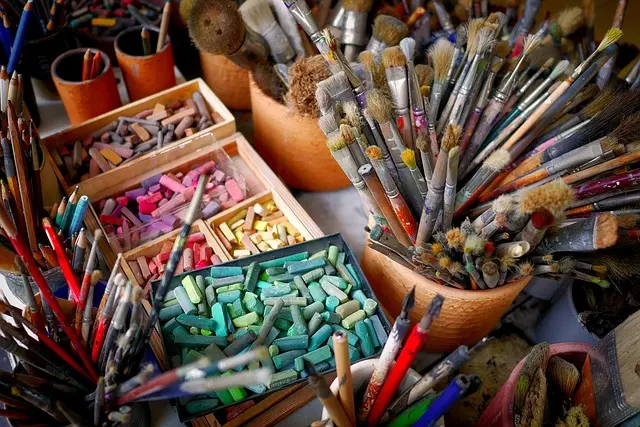
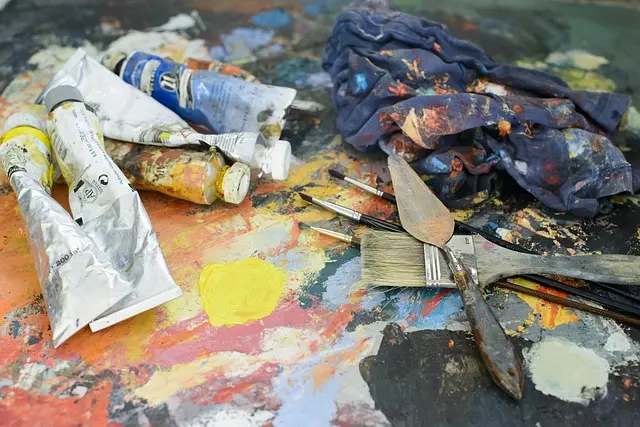
The first step in your artistic skills development is determining which medium resonates with you the most. Common mediums include pencil, charcoal, watercolor, acrylic, oil paints, and digital platforms. Exploring different mediums can ignite your creativity and help to identify where your strengths lie. Start with a few options, and give yourself the freedom to experiment.
For example, if you're interested in painting, you may want to try both acrylics and watercolors to see which one feels right. Each medium offers distinct characteristics that can influence your style. As art therapists suggest, engaging with a medium that excites you can significantly enhance your commitment to improving your skills. However, it's essential to remain open-minded and allow yourself to evolve artistically over time.
Step 2: Build a Strong Foundation
Once you've chosen a medium, the next step is building a strong foundation of techniques and principles. This involves studying the basics of composition, color theory, and perspective. Understanding these foundational concepts is critical for creating compelling artwork. Resources such as art books, online tutorials, or even local classes can provide valuable insight into these aspects.
Consider practicing drawing simple objects from different angles, focusing on proportions and shading. For paint mediums, practicing color mixing can greatly improve your technique and lend depth to your work. As a tip, set aside time each week solely for skill development, and keep track of your progress to see how far you’ve come.
Step 3: Practice, Practice, Practice
“Practice makes perfect,” is a saying that rings true in the arts. Consistent practice is crucial to honing your skills. Aim to set realistic goals for your practice sessions. For instance, committing to spending at least 30 minutes to an hour daily on your art can lead to significant improvement over time. Keep experimenting with new techniques and styles to push your boundaries and discover new facets of your creativity.
For a structured approach, consider focusing on a particular skill each week, such as brushwork, shading techniques, or color usage. Document your work regularly, which allows you to see progress and identify areas needing more attention. Remember, it’s okay to create imperfect pieces during this phase; each artwork is part of your learning process.
Step 4: Seek Feedback and Critique
Engaging with others can provide invaluable feedback on your work. Seek constructive criticism from fellow artists or mentors who can offer insights and suggestions for improvement. When you share your art, be open to feedback, as it can guide you towards elevating your skills.
Consider participating in local art groups or online communities where you can submit your work for critique. Many artists find that joining platforms like DeviantArt or ArtStation fosters constructive interaction and support. It can also be helpful to study critiques of well-known artists, which can provide a blueprint for how to approach your own work with a critical lens.
Step 5: Join a Community
Art is a communal experience; thus, forming connections with other artists can significantly enrich your journey. Communities can provide support, accountability, and inspiration. Consider joining local art clubs, workshops, or even online forums where you can exchange ideas and learn from one another.
Participating in challenges or collaborations can further enhance your exposure to different styles and perspectives. For instance, you might join an online challenge that encourages participants to create a piece on a specific theme, promoting creativity and motivation. Building friendships with other artists ensures you have a network to share ideas, resources, and support when facing creative blocks.
Conclusion and Checklist
Developing your artistic skills is a journey that can be incredibly fulfilling. By following these steps, you'll enhance your abilities and grow as an artist. Here is a checklist to help you stay on track:
- [ ] Identify your preferred medium.
- [ ] Learn foundational art principles.
- [ ] Commit to a daily practice schedule.
- [ ] Share work for feedback.
- [ ] Engage with fellow artists in the community.
📺 For further resources: Look for videos on YouTube pertaining to artistic skill development and techniques. Search for: artistic skills development tutorials 2026.
Glossary
| Term | Definition |
|---|---|
| Medium | The materials or tools used to create artwork, such as paint, charcoal, or digital software. |
| Composition | The arrangement of visual elements in a work of art to create balance and harmony. |
| Color Theory | The study of how colors interact, mix, and influence perception and emotions in art. |
---
📺 Pour aller plus loin : artistic skills development tutorials 2026 sur YouTube