Table of Contents (13 sections)
Starting an artistic practice can feel daunting, but by following a structured approach, anyone can develop their skills and cultivate their creativity. This guide will take you through essential steps to kickstart your artistic journey, whether you're a complete beginner or someone looking to refine your skills.
1. Understanding Your Motivation
Before diving into your artistic practice, it's crucial to reflect on why you want to create art. Art can serve various purposes—expressing emotions, communicating ideas, or simply for the joy of creating. By identifying your motivation, you will find a clearer path and keep your enthusiasm alive during challenging moments. Statistics have shown that artists who are aware of their 'why' are more likely to stay committed to their practice and experience higher satisfaction levels in their creative journey. If your goal is to express feelings, consider noting down your emotions before you start every session. This will not only guide your work but also enhance your connection to the piece.
2. Setting Up Your Creative Space
Your environment plays a significant role in your creativity. Dedicate a space specifically for your artistic practice. This could be a corner of your room or a more extensive studio setup, depending on your resources. Make sure this space is free from distractions and filled with tools you enjoy using. Dedicating a space helps in creating a ritual around your practice, which can prepare your mind for creativity. Personalize it with inspiring artwork, music, or anything that fuels your motivation. Remember to keep your materials organized, as a clutter-free environment can enhance focus and make it easier to jump into your work.
3. Choosing the Right Materials
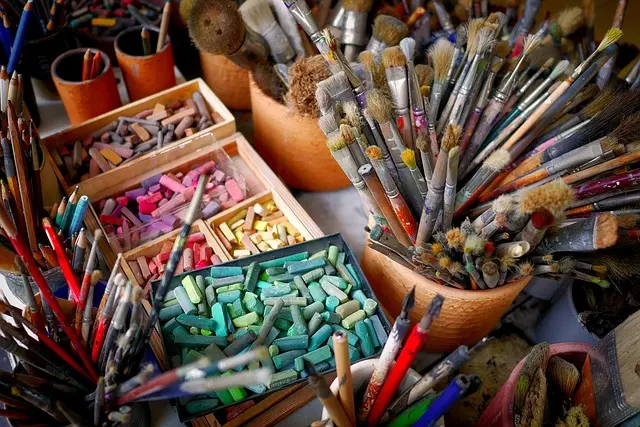
The materials you choose can significantly affect your artistic expression and outcomes. Whether you’re working with paint, charcoal, digital tools, or pottery clay, familiarize yourself with different mediums to discover what resonates with you. Exploring various techniques can spark inspiration and lead to new ideas for your projects. Start with essential tools and build your collection over time as you refine your style. For instance, if you enjoy painting, investing in high-quality brushes and canvases can greatly influence your work's quality.
4. Creating a Practice Schedule
To develop your skills consistently, establish a practice schedule that fits your lifestyle. Consistency is key in improving your artistic abilities. Research suggests that the most successful artists dedicate a regular amount of time to their practice, allowing skill development through repetition and experimentation. Choose a frequency—daily, several times a week, or weekly sessions—depending on your goals and availability. Make this practice time a non-negotiable part of your routine, treating it as you would an essential meeting or appointment.
5. Learning from Others
Engage with fellow artists and communities to expand your horizons. Joining workshops, online forums, or local art groups can provide valuable feedback and new perspectives. Observing how others tackle artistic challenges can ignite fresh ideas and motivation. Additionally, consider finding a mentor who can guide you through your artistic practice. If possible, attend art shows or exhibitions to understand the current trends, styles, and techniques in the art world. Learning from others is not just about absorbing information—it's a chance to share your experiences and grow collectively.
6. Embracing Imperfection
As you begin your artistic practice, it’s crucial to let go of the need for perfection and embrace mistakes as part of the learning process. Every artist knows that each mistake can lead to unexpected outcomes that may enhance the piece significantly. A mindset focused on growth helps artists to experiment freely, often leading to innovative ideas. Keep a journal for recording your artistic journey, reflecting on what worked, what didn’t, and how you felt about your creations. This can be an invaluable resource for self-improvement.
📺 Resource Video
> 📺 For further exploration: Explore different artistic techniques and practices, check out various tutorials on YouTube by searching for “artistic practice tutorials 2026.”
7. Reviewing and Reflecting
Regularly reviewing your work helps in recognizing areas for improvement. Take time to reflect on your artistic process, the growth you've experienced, and how your motivations may have evolved. Consider setting quarterly or monthly reviews to track progress and adjustments to your practice. This reflective practice will help clarify your artistic direction and refine your goals. Additionally, feedback from peers can serve as constructive criticism, enabling you to grow effectively.
Checklist for Beginning Your Artistic Practice
- [ ] Define your motivation for creating art.
- [ ] Set up a dedicated creative space.
- [ ] Gather essential artistic materials.
- [ ] Establish a consistent practice schedule.
- [ ] Connect with other artists for support and growth.
- [ ] Embrace and document imperfections in your work.
- [ ] Regularly review and reflect on your artistic journey.
Glossary
| Terme | Définition |
|---|---|
| Artistic Practice | The continuous exploration and development of one’s skills in various artistic mediums. |
| Creative Space | A dedicated environment where an artist can work on their art without distractions. |
| Reflective Practice | The process of periodically reviewing one’s work and experiences and using that reflection to improve future artistic efforts. |
> 🧠 Quick Quiz: What is the most important factor in sustaining an artistic practice?
> - A) Great Materials
> - B) Regular Practice
> - C) Feedback from Peers
> Answer: B — Regular practice is crucial for artistic growth and skill development.
By following this structured approach, you can effectively embark on your artistic journey and develop your skills over time. Remember, the most important part of becoming an artist is to enjoy the process. Keep creating, experimenting, and exploring your creative self!

Recommended Products
- {
"catalog_id": "a4b1c091-6e31-4973-9195-a51c8040791c",
"context": "This resource provides essential techniques and insights that are perfect for artists at any level wanting to elevate their practice."
- }
📺 Pour aller plus loin : artistic practice tutorials 2026 sur YouTube
Recommended products
Selected by our experts
Artistic Mastery with MidJourney
Alison US CA
This resource provides essential techniques and insights that are perfect for artists at any level wanting to elevate their practice.