Table of Contents (11 sections)
Art is a realm where creativity meets skill, and developing your artistic skills is a journey filled with exploration and self-expression. As a new artist, improving your skills can feel daunting, but with a structured approach, you can make significant progress. This tutorial outlines key steps to enhance your artistic abilities effectively.
1. Understand the Basics of Art
Before diving into complex techniques, it's essential to grasp the foundational elements of art. This includes understanding elements such as line, shape, form, color, value, space, and texture. Many art experts suggest that these basics are the building blocks of any artwork.
To get started, consider enrolling in an introductory art class or exploring online resources. Websites like Skillshare and Udemy offer courses tailored to beginners, often featuring step-by-step instructions by seasoned artists. Freestanding resources like YouTube also provide engaging tutorials focused on fundamental skills. While learning, focus on applying each basic element in practice sketches, experimenting with different mediums like pencil, charcoal, or watercolor.
Tip: Set aside time each week to practice these basics without pressure. The more you experiment, the more comfortable you become.
2. Explore Different Art Mediums
Once you're comfortable with the basics, explore various art mediums to find what resonates with you. Common mediums include:
- Graphite or Pencil: Great for sketching and detailed works.
- Acrylic Paint: Versatile and quick-drying, suitable for layering techniques.
- Watercolor: Known for its fluidity and transparency, perfect for soft landscapes.
- Digital Art: If you’re tech-savvy, consider exploring software like Adobe Photoshop or Procreate.
Experimenting with different mediums can help you discover your style. For example, if you enjoy the vibrant colors of acrylics and the soft washes of watercolors, perhaps mixed media is right for you. Studies show that artists who diversify their medium experience more creative breakthroughs and greater satisfaction.
Common Mistake: Not allowing enough time to explore each medium. Focus intently on one medium at a time before moving onto the next.
3. Develop a Consistent Practice Routine
To truly develop your artistic skills, consistency is key. Establishing a regular practice routine helps solidify your skills and promotes artistic growth. Here are a few tips to help you develop a routine:
- Set Realistic Goals: Aim for a balanced practice schedule—consider sketching for 15-30 minutes a day.
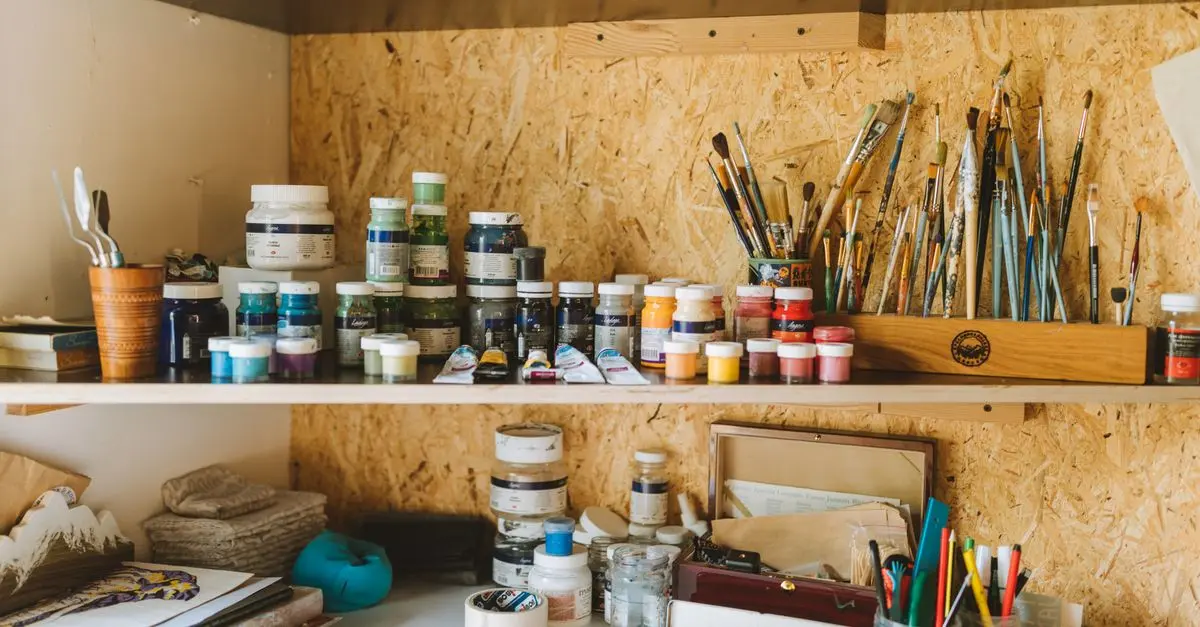
- Create a Dedicated Space: Having an organized space encourages you to create. Ensure your materials are accessible and your environment is inspiring.
- Use Prompts: Use drawing prompts to kickstart your creativity. These can be found on various art websites or community forums.
It's crucial to approach each session with a mindset for growth. According to a study by the American Psychological Association, regular practice not only enhances skills but significantly boosts self-confidence.
Tip: Keep a sketchbook to track your progress over time. Referring back to your earlier work can inspire you and show how far you’ve come.
4. Seek Feedback and Critique
Feedback can be one of the most valuable tools in your development as an artist. Whether you join local art groups, online communities, or share your work with friends, getting honest critiques can help you refine your skills. Ensure you’re ready to accept constructive criticism—it’s essential for growth.
Consider using platforms like Instagram or DeviantArt to share your work and interact with other artists. Participating in challenges, such as Inktober or the 30-Day Drawing Challenge, not only provides deadlines but also an audience for your work. Peer feedback is invaluable since it can provide a different perspective on your work and help identify areas for improvement.
Caution: Don’t let negative comments discourage you. Learn to differentiate between constructive criticism and personal opinion. Focus on feedback that can genuinely help improve your skills.
5. Attend Workshops and Classes
Participating in workshops can significantly enhance your artistic skills. Look for local art classes or online workshops that cater to different skill levels. To find reputable workshops, consider sites like Eventbrite for local listings or MasterClass for courses taught by renowned artists. These experiences allow you to learn directly from professionals and gain insight into advanced techniques not typically covered in self-study.
Workshops often emphasize hands-on practice, which can facilitate quicker learning. Interacting with fellow aspiring artists fosters a collaborative environment that encourages creativity. Participating in these sessions keeps you accountable and motivated to improve your craft.
Tip: Before signing up, check reviews and testimonials from past participants to ensure that the class aligns with your skill level and goals.
📺 Resource Video
> 📺 For further exploration: Understanding Art Techniques for Beginners, a comprehensive analysis of foundational skills and techniques. Search YouTube for: "art techniques for beginners 2026".
Comparison of Art Mediums
| Medium | Pros | Cons | Best For |
|---|---|---|---|
| Graphite | Easy to control, great for details | Can smudge easily | Sketching |
| Acrylic | Fast-drying, versatile | Can dry quickly on the palette | Layering |
| Watercolor | Beautiful washes, easy to clean up | Can be unpredictable | Landscapes |
| Digital | Endless possibilities, editable | Requires technology and software knowledge | Illustrations |
Checklist for Developing Artistic Skills
- [ ] Dedicate time weekly for practice
- [ ] Explore different art mediums
- [ ] Establish a comfortable art space
- [ ] Seek feedback from peers
- [ ] Attend at least one workshop this year
Glossary
| Term | Definition |
|---|---|
| Medium | The materials used to create art (e.g., paint, pencil) |
| Sketching | The act of drawing or painting quickly to capture an idea |
| Critique | A detailed analysis of art, providing feedback and suggestions |
---
📺 Pour aller plus loin : art techniques for beginners 2026 sur YouTube