Table of Contents (14 sections)
Understanding Artistic Skills
To develop your artistic skills, it’s pivotal to grasp what artistic skills truly entail. Artistic skills encompass the ability to create visual art through various forms such as drawing, painting, sculpting, or digital art. They involve both technical skills—like understanding color theory and perspective—and creative skills that contribute to innovative expression. Building these skills takes time, practice, and a willingness to learn.
Why is developing these skills significant? A strong foundation in art enhances your ability to communicate ideas, emotions, and stories through visual means. Research from the National Art Education Association indicates that engaging in artistic practice can boost problem-solving skills and critical thinking, both of which are valuable in countless life aspects. Thus, investing in your artistic skills is not just about creating art; it’s about developing a new lens to view the world.
Step 1: Find Your Medium
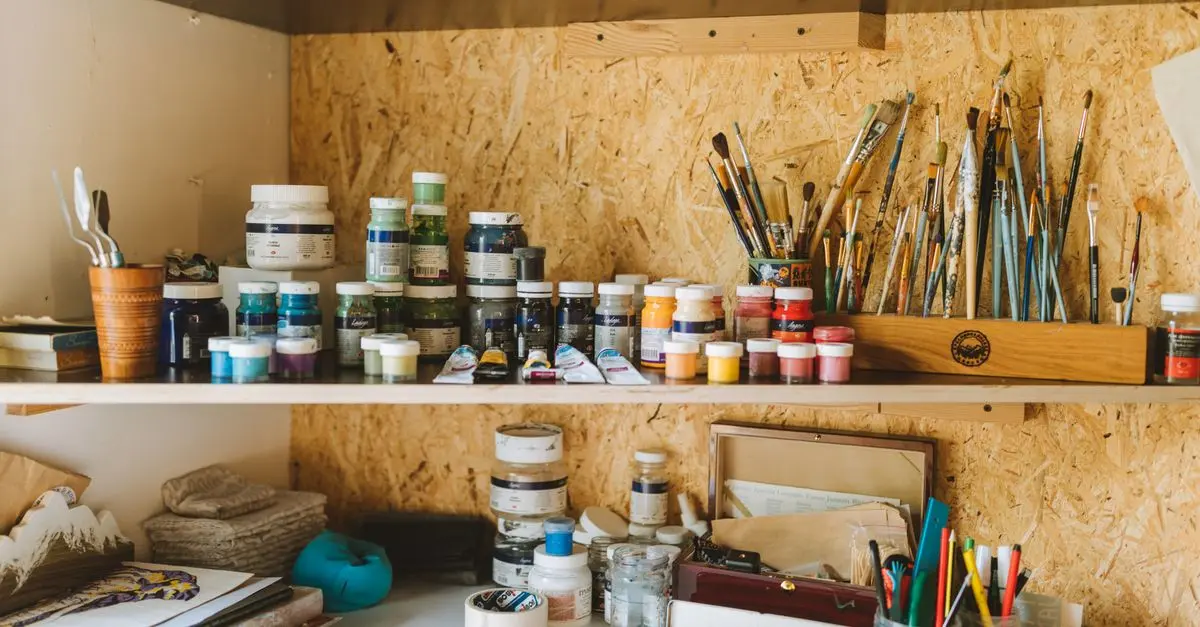
The first step in your artistic journey is to explore various art mediums. These might include traditional options like charcoal, watercolor, acrylic, or oil paints, as well as digital tools such as software for graphic design and 3D modeling. Finding the right medium can significantly affect your enjoyment and success in art.
Consider experimenting with different tools and techniques. For example, if you choose watercolor, try out wet-on-wet versus dry brushing techniques. Engaging with multiple mediums not only enhances your skills but also helps you discover which methods resonate with you emotionally and creatively. Don’t be afraid to make mistakes during this phase—it’s all part of the discovery process.
Pro Tip:
Join workshops or local art classes focused on different mediums. This experience can provide hands-on guidance and expose you to various styles and techniques that you might not have discovered alone.
Step 2: Practice Regularly
Once you have identified your medium, commit to practicing art regularly. Setting aside time to create allows for consistent improvement and skill reinforcement. Aim for short daily sessions instead of occasional long marathons—30 minutes a day can make a more significant difference than one long session every week.
Create a schedule that suits your lifestyle, and treat art practice as an important appointment. You might also consider setting specific goals for each session, such as focusing on mastering shading techniques or experimenting with color mixing. Keeping a sketchbook for daily practice can also help track your progress over time.
Common Pitfalls:
Avoid the trap of comparing yourself to others on social media. Every artist travels their unique path; instead focus on your journey and celebrate your own progress.
Step 3: Study the Basics of Art
Understanding the fundamentals of art is crucial to becoming proficient in your skills. Start by studying essential concepts such as color theory, composition, perspective, and anatomy. Resources like online courses from platforms such as Skillshare or Udemy, or even local community college classes, can provide structured learning.
Books like “Drawing on the Right Side of the Brain” by Betty Edwards can also offer valuable insights into the techniques behind effective drawing and seeing the world as an artist does. It’s also beneficial to analyze works of established artists—look at their techniques, styles, and materials to understand what makes their work resonate.
Analytical Insight:
According to a survey by The Art Career Project, 45% of artists attribute their success to a formal understanding of these fundamental concepts, illustrating the importance of educational resources.
Step 4: Seek Feedback and Mentorship
Don't hesitate to seek feedback on your work. Constructive criticism from peers or mentors can provide new perspectives, helping identify areas for improvement. Consider joining an art club or online forums such as DeviantArt, where you can share your art and connect with fellow hobbyists and professionals.
Finding a mentor, someone with experience in art who can guide you, can also be invaluable. A mentor can help you avoid common mistakes and inspire you to push beyond your current capabilities. Regular critique sessions can foster growth and enhance your artistic voice.
Step 5: Experiment and Evolve
As your skills develop, challenge yourself by experimenting with new techniques and styles. Engaging with different art movements or cultural art forms can inspire innovation in your work. For example, dabble into abstract or surrealist styles, or explore contemporary art applications like digital painting.
Maintaining a flexible mindset will allow you to evolve as an artist. Document your experiments, noting what you learn from each piece. This reflective practice can be incredibly beneficial as you hone your skills.
Checklist for Aspiring Artists
- [ ] Identify preferred art medium.
- [ ] Set a practice schedule.
- [ ] Engage in art foundational studies.
- [ ] Seek feedback and guidance from peers or mentors.
- [ ] Experiment with various techniques regularly.
- [ ] Document progress and reflect on artwork.
Glossary
| Term | Definition |
|---|---|
| Medium | The materials used to create artwork, such as paint, pencil, or digital tools. |
| Composition | The arrangement of visual elements in art to create a cohesive and pleasing image. |
| Critique | An evaluation of artistic work, typically highlighting strengths and areas for improvement. |
Quiz
> 🧠 Quick Quiz: What is the most important part of improving your artistic skills?
> - A) Finding a mentor
> - B) Practicing regularly
> - C) Using expensive tools
> Answer: B — Regular practice is crucial for skill development regardless of tools used.
📺 For further exploration: Develop Your Artistic Skills in 2026, a deeper dive into effective techniques and personal narratives. Search on YouTube: how to develop artistic skills 2026.
📺 Pour aller plus loin : how to develop artistic skills 2026 sur YouTube