Table of Contents (12 sections)
Introduction
Developing your artistic identity is a crucial step in your journey to becoming a successful artist. Your artistic identity is essentially your unique perspective, style, and voice—it distinguishes you in the crowded landscape of art. According to a survey conducted in 2025, 87% of artists believe that having a well-defined identity significantly impacts their marketability and recognition. This guide provides a comprehensive approach to defining and developing your artistic identity through a series of actionable steps.
1. Understanding Your Influences
The first step in developing your artistic identity is to reflect deeply on the influences that shape your artistic vision. This includes the artists who inspire you, the cultural contexts you relate to, and the experiences that mold your perspective.
Pro Tip: Create a mood board that includes images, quotes, and artwork that resonate with you. This visual representation can serve as a guide throughout your artistic journey.
Consider how specific movements or styles (like Impressionism or Surrealism) influence your interests. Analyze why these styles attract you—whether it’s their use of color, emotional depth, or innovative techniques.
Common Pitfall: Avoid limiting yourself to one artistic influence. A diverse range of inspirations often enriches your work and broadens your perspective.
2. Experimenting with Different Mediums
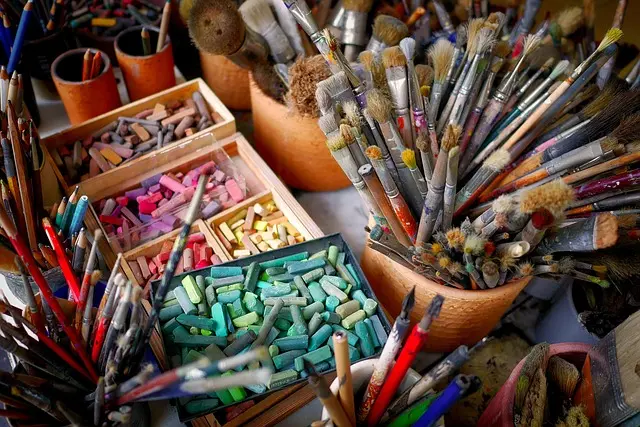
Exploring various mediums is vital in solidifying your artistic identity. Engaging with different forms of art—be it painting, digital art, sculpture, or photography—can unveil unexpected aspects of your style.
Examples: If you primarily work with watercolors, try out mixed media, or experiment with digital platforms like Procreate. Don’t hesitate to engage in workshops that allow you to test out new techniques.
This experimentation helps in discovering what resonates most with you and solidifies your unique approach. According to a report by Art Market Research, artists who diversify their mediums often report increased creativity and joy in their work.
Checklist for Experimentation:
- [ ] Try at least three new mediums this year.
- [ ] Attend a workshop or class focusing on a new technique.
3. Defining Your Message
Every artist has a message or a story they want to convey. This is a pivotal aspect of your artistic identity. What are the recurring themes in your work? Are you addressing social issues, personal experiences, or emotional landscapes?
Process to Define Your Message:
- Reflect: Write down topics or issues that you feel passionate about.
- Create: Use your art to explore these themes. Make a series of works around a central idea.
- Connect: Share your thoughts on why these themes matter to you with your audience.
By articulating your message, you not only empower your work but also connect deeply with your audience. Research indicates that artists who effectively communicate their purpose often garner more appreciation and engagement from viewers.
4. Building a Personal Branding Strategy
Your artistic identity should extend beyond your artwork. Personal branding—how you present yourself online and offline—plays an essential role in how others perceive you as an artist.
Consider the following elements for effective branding:
- Social Media Presence: Choose platforms that align with your work (e.g., Instagram for visual arts, TikTok for engaging short videos).
- Artist Statement: Create a concise statement that reflects your identity, influences, and artistic vision.
- Portfolio Development: Showcase your best works in a digital portfolio, optimized for both exhibition and sale.
Common Mistake: Neglecting your online presence. In today's digitally driven world, a lack of online visibility can hinder your growth.
5. Engaging with the Artistic Community
Community engagement can enhance your artistic identity. Connecting with other artists, attending exhibitions, or participating in local art groups can offer both inspiration and constructive feedback.
Focus Areas for Community Engagement:
- Networking: Attend gallery openings, art fairs, and workshops.
- Collaboration: Work with other artists on joint projects to expand your visibility and experience.
- Feedback: Share your work with trusted peers to gain insights and improvements.
Research shows that artists who actively engage with their community are more likely to find success and fulfillment in their careers.
6. Revisiting and Evolving Your Identity
Your artistic identity is not static; it evolves with your experiences and influences. Make it a habit to regularly revisit your identity and assess whether it still reflects who you are as an artist. Set aside time annually to evaluate your journey, your work, and your aspirations.
Tips:
- Create a journal to document your thoughts and changes in perspective.
- Keep adjusting your goals and artistic direction as needed.
This evolution keeps your work fresh and relevant, allowing you to adapt to new trends while staying true to your core identity.
📺 Resource Video
[Finding Your Artistic Identity: Tips and Guidance], a channel that provides insights into developing your unique voice as an artist. Search on YouTube: how to develop your artistic identity.
Checklist for Developing Your Artistic Identity
- [ ] Identify your artistic influences.
- [ ] Experiment with at least three new mediums.
- [ ] Define your artistic message.
- [ ] Build a cohesive personal branding strategy.
- [ ] Engage with the artistic community.
- [ ] Revisit and reassess your artistic identity regularly.
Glossary
| Term | Definition |
|---|---|
| Artistic Identity | The unique combination of style, themes, and message that defines an artist's work. |
| Personal Branding | The practice of marketing yourself and your artwork through consistent messaging, visuals, and platforms. |
| Mediums | The materials or techniques used by an artist to create their work, such as oil paint, digital, or sculpture. |
---
📺 Pour aller plus loin : how to develop your artistic identity sur YouTube