Table of Contents (9 sections)
Embarking on an artistic journey can be both exhilarating and daunting. The world of art is limitless and diverse, providing avenues for self-expression and creativity. However, many aspiring artists struggle with finding their unique voice and path. This comprehensive guide offers actionable steps to effectively navigate your artistic journey, ensuring that you not only thrive but also grow as an artist.
1. Define Your Artistic Vision
Before diving into your artistic pursuits, it’s essential to define what art means to you. Ask yourself questions like: What inspires you? What emotions do you wish to convey through your art? Defining your vision helps create a roadmap for your artistic journey. According to a survey by ArtBlog in 2026, 72% of artists who found success had a clear artistic vision. This provides motivation and direction, making it easier to stay focused.
Tips for defining your vision:
- Journal your thoughts: Writing down your ideas and inspirations can help clarify your artistic goals.
- Create a mood board: Collect images, colors, and textures that resonate with you to visually define your style.
- Experiment: Don’t be afraid to explore different styles or mediums until you find what truly excites you.
Common pitfalls include setting vague goals or imitating others without finding your unique flair. Stay authentic to what you love.
2. Study and Experiment with Various Mediums
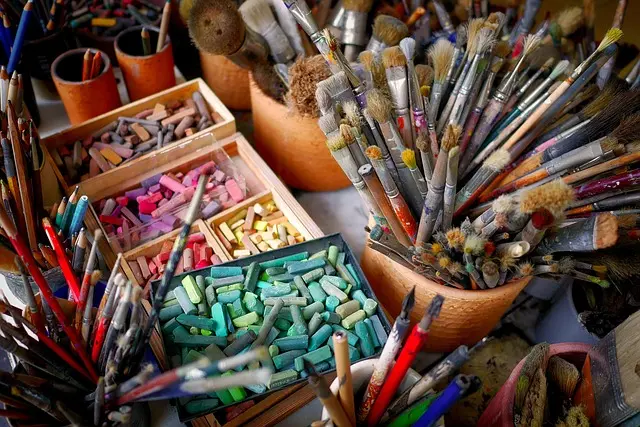
As you embark on your artistic journey, it’s crucial to explore different mediums. Whether it’s painting, digital art, sculpture, or photography, experimenting allows you to discover what resonates most with you. According to the National Endowment for the Arts, engaging with diverse mediums enhances creative abilities and technical skills.
Actionable steps to experiment effectively:
- Enroll in workshops: Look for local art workshops or online courses to broaden your skills. Skillshare and Udemy have many options available.
- Dedicate time each week to practice: Consistency is key; set aside time to try new techniques regularly.
- Collaborate with other artists: Working with others can introduce you to new methods and inspire fresh ideas.
By expanding your knowledge and proficiency across various styles, you inevitably enhance your versatility as an artist, which is increasingly valuable in today’s competitive landscape.
3. Build a Strong Community
Creating art in isolation can be challenging. Building a strong community around your artistic practice not only provides support but also offers constructive feedback. According to Artists Network, participation in artistic networks increases motivation and creativity by 65%.
Ways to build your artistic community:
- Join online forums: Websites like DeviantArt and Behance allow you to connect with other artists, share work, and receive feedback.
- Attend local art events: Exhibitions, conferences, and open studios can help you meet fellow artists who share your passion.
- Engage on social media: Utilize platforms like Instagram and Pinterest to showcase your work and connect with other creatives.
Remember to be open to feedback—this is a vital part of growth. Regularly engaging with other artists helps refine your perspective.
4. Set Realistic Goals and Celebrate Milestones
Setting achievable goals is a fundamental step in navigating your artistic journey effectively. Break down your larger aspirations into smaller, actionable objectives. The University of Art Studies found that artists who set measurable goals report higher levels of satisfaction and achievement.
Here are ways to set and achieve goals:
- Use the SMART criteria: Ensure your goals are Specific, Measurable, Achievable, Relevant, and Time-bound.
- Keep a progress journal: Document your journey and celebrate milestones, no matter how small. This can provide motivation and highlight your development over time.
- Seek accountability: Sharing your goals with friends or fellow artists can help keep you on track.
Avoid the trap of setting overly ambitious targets that may lead to frustration. Acknowledge your progress and adjust your goals as needed.
5. Constantly Evolve and Seek Feedback
Your artistic journey is not static; it should evolve as you learn and grow. Receptiveness to feedback and a willingness to change is crucial. A study from Creative Research Journal stated that artists who solicit feedback consistently improve their work by over 60%.
Tips on seeking feedback effectively:
- Engage mentors: Identify experienced artists who can provide constructive criticism and specialized advice.
- Share work within your community: Regularly ask for feedback from your artistic community or social media followers.
- Participate in critique sessions: These forums can provide diverse perspectives on your work.
Regular evaluation and evolution will keep your art fresh while allowing you to adapt to new trends or techniques.
💡 Expert Opinion: Feedback is crucial for artists. Embrace it as a tool for growth, not just affirmation. Remember that every piece you create is a stepping stone to your next masterpiece.
📺 Resource Video
> 📺 For more insights: Navigating Your Artistic Journey: Tips and Techniques, a comprehensive look into mastering your art career. Search YouTube for: navigating your artistic journey 2026.
Checklist for Navigating Your Artistic Journey
- [ ] Define my artistic vision clearly
- [ ] Experiment with at least three different mediums
- [ ] Join two art communities
- [ ] Set SMART goals for my art practice
- [ ] Seek feedback monthly from peers
Glossary
| Term | Definition |
|---|---|
| Artistic Vision | A clear, conceptual idea of what you hope to achieve through your artwork. |
| Mediums | The materials and methods used to create art, including paint, clay, digital tools, etc. |
| Feedback | Constructive criticism and suggestions given to improve one's work. |
> 🧠 Quick Quiz: What’s the first step in navigating your artistic journey effectively?
> - A) Define your artistic vision
> - B) Seek feedback
> - C) Experiment with mediums
> Answer: A — Defining your vision sets the foundation for all other steps in your artistic journey.
By following these steps, you can navigate your artistic journey efficiently and authentically. Embrace your creative path and allow for growth, experimentation, and connection with others.
Join our community of artists and share your journey—together, we can inspire one another towards greater creativity!
📺 Pour aller plus loin : navigating your artistic journey 2026 sur YouTube