Table of Contents (11 sections)
Cultivating creativity is an essential aspect of becoming a successful artist. Whether you're a painter, musician, writer, or any other type of creative individual, nurturing your creativity can lead to more innovative works and a deeper connection to your craft. In this guide, we will explore a step-by-step process to cultivate your creativity effectively.
1. Understand What Creativity Means
Creativity isn't just about producing art; it's about thinking differently and expressing your unique perspective. According to Harvard Business Review, creativity involves combining existing ideas in new ways and making connections that others might not see. By understanding this, you can better approach your creative process.
Why Creativity Matters
Having a solid grasp of your creativity helps you stand out in a saturated market. In 2026, where the influx of generative AI content has made originality harder to achieve, artists who cultivate their creativity can produce genuinely unique works that resonate with their audience. Creativity can open doors, whether to new projects, collaborations, or personal satisfaction in your work.
💡 Expert Opinion: Engaging in ongoing learning and exploration not only sharpens skills but can also lead to surprisingly effective creative breakthroughs. For example, attending workshops or joining art communities allows artists to exchange ideas and feedback, leading to personal growth.
2. Establish a Creative Routine
Creating a routine that prioritizes your artistic practice is vital for cultivating creativity. Here’s how you can structure a creative routine:
- Set a Regular Schedule: Dedicate specific time blocks in your week for your creative activities. Consistency builds habit, and habit fosters creativity.
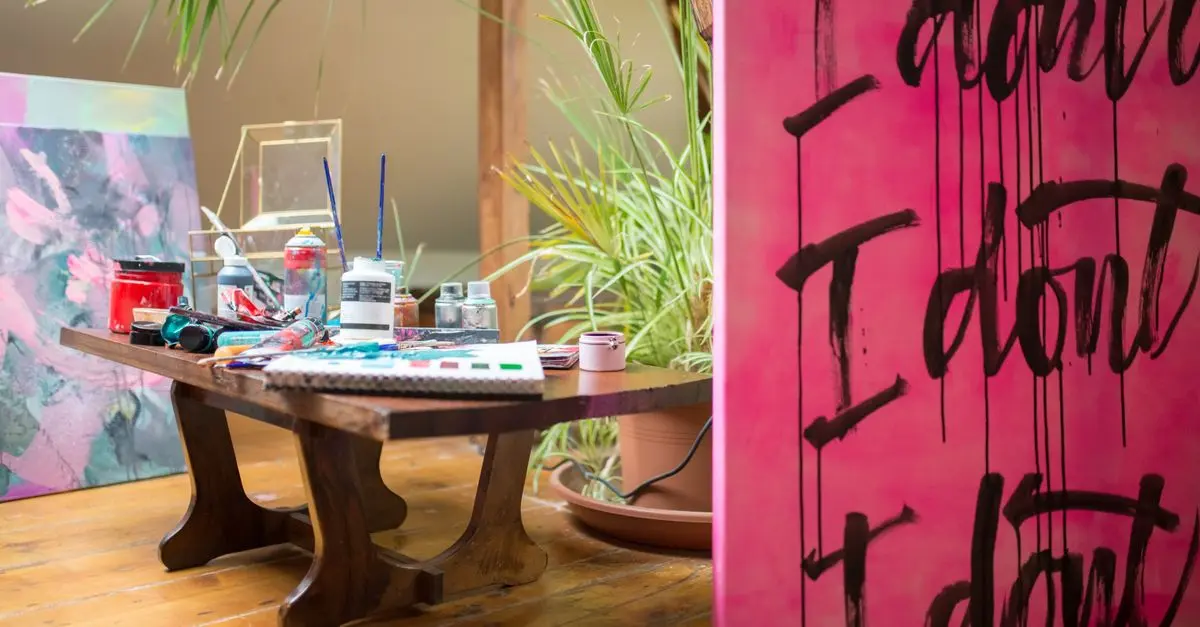
- Create a Dedicated Workspace: A space free from distractions can help you focus. Organize your workspace with materials that inspire you.
- Limit Distractions: Turn off notifications and focus solely on your art during your dedicated creative time.
By establishing a routine, you create an environment where creativity can flourish. Studies have shown that regular engagement with your craft leads to stronger skills and more innovative ideas.
3. Experiment with Different Mediums
Trying out different mediums is a powerful way to cultivate creativity. For a painter, this could mean moving from acrylics to oils or experimenting with mixed media. For a writer, it might involve playing with poetry or scriptwriting. Here’s how to approach experimenting:
- Embrace Imperfection: Remember that not every experiment needs to be a masterpiece. Allow yourself to create freely without judgment.
- Set Challenges: For instance, try creating a piece within a fixed time or limit yourself to using only certain materials.
- Document Learnings: Keep a journal of your creative experiments, noting what worked, what didn’t, and what you discovered about your style.
According to The Journal of Creative Behavior, engaging in diverse practices can lead to unexpected correlations in your work, sparking new ideas when returning to your primary medium.
4. Collaborate with Other Creatives
Collaboration can be a unique method to foster creativity. Working with others exposes you to new ideas, perspectives, and techniques. To maximize collaboration, consider the following:
- Choose Diverse Partners: Work with artists from different disciplines, backgrounds, or skill levels to gain fresh viewpoints.
- Engage in Group Projects: Try to organize exhibitions, collective workshops, or jam sessions that encourage sharing ideas and techniques.
- Provide Constructive Feedback: Collaborating isn't just about receiving; offering feedback can solidify your understanding of your work and that of others.
A survey by Adobe found that collaboration significantly enhances creative confidence and overall satisfaction in artistic endeavors, which can escalate your growth as an artist.
5. Seek Inspiration from Everyday Life
Inspiration can be found in the most mundane places. Attentively observing your surroundings can lead to profound insights and ideas. Here are methods to tap into everyday inspiration:
- Observe Nature: Go for walks and take in the natural scenery. You’d be surprised how many colors and textures you find that inspire your artworks.
- Engage with Different Cultures: Attend local art shows, listen to different music genres, or explore international cuisine. These experiences can inform your work and inspire new explorations.
- Keep an Inspiration Board: Collect images, quotes, and objects that resonate with you. Having a visual representation of what inspires you can refresh your focus.
The Nielsen Norman Group highlighted that exposure to varied experiences increases creativity by offering new lenses to interpret your ideas.
📺 Resource Video
> For further insights, check out "Unlocking Creativity in Art", an in-depth exploration of methods to enhance creativity. Search on YouTube: how to cultivate creativity as an artist.
Comparison of Creative Techniques
| Technique | Description | Benefits | Ideal For |
|---|---|---|---|
| Routine Development | Establishing a creative schedule | Builds habit, creates space for art | All artists |
| Medium Experimentation | Trying new art forms or styles | Sparks new ideas, breaks monotony | Visual artists |
| Collaboration | Working with other creatives | Gains new perspectives, expands horizons | All creatives |
| Daily Observation | Finding inspiration in everyday life | Enhances awareness, enriches creativity | Writers, visual artists |
| Feedback Gathering | Sharing and receiving critiques | Improves work quality, builds community | All creatives |
Checklist for Cultivating Creativity
- [ ] Identify what creativity means to you
- [ ] Establish a consistent creative routine
- [ ] Experiment with at least two different mediums this year
- [ ] Collaborate with at least one other artist
- [ ] Observe your surroundings and document inspiration
Glossary
| Term | Definition |
|---|---|
| Creativity | The ability to generate, create, or discover new ideas. |
| Medium | The materials or techniques used for creating art. |
| Collaboration | Working jointly with others to produce or create. |
---
📺 Pour aller plus loin : how to cultivate creativity as an artist sur YouTube