Table of Contents (15 sections)
Cultivating an artistic mindset is essential for anyone looking to succeed in the creative field. An artistic mindset isn’t just about being able to create art; it encompasses how we approach creativity, problem-solving, and self-expression. Understanding this mindset can lead to not just success in artistic endeavors but also personal fulfillment. This guide will walk you through the steps to develop a positive and productive mindset that fosters creativity and artistic success.
1. Understand the Fundamentals of an Artistic Mindset
Before embarking on the journey to cultivate an artistic mindset, you need to understand what it entails. An artistic mindset is not solely about raw talent; it includes openness to new experiences, a willingness to take risks, and the resilience to overcome creative blocks and criticism. Research shows that around 70% of artists encounter creative blocks at some point (Source: Journal of Creative Behavior). Understanding this can help you realize that facing challenges is a universal experience in the arts.
Tips to Develop an Artistic Mindset:
- Embrace Imperfection: Accept that not everything will turn out perfect. Art is often found in the flaws.
- Curiosity Is Key: Stay inquisitive about the world around you. Engage with different art forms and cultures to broaden your perspective.
Start practicing these principles in your daily life and notice how they influence your creative process.
2. Set Clear and Realistic Goals
Setting goals is crucial for nurturing an artistic mindset. Instead of vague ambitions like “becoming a great artist,” opt for specific and manageable objectives. According to psychological studies, setting SMART (Specific, Measurable, Achievable, Relevant, Time-bound) goals increases the likelihood of success. For instance, aim to complete one artwork per week or take a class to learn a new technique.
Practical Steps:
- Break Down Aspirations: Divide larger goals into smaller tasks. For instance, if your goal is to exhibit your work, outline a timeline with smaller milestones.
- Keep a Progress Journal: Document your progress to remain motivated and reflect on your growth.
- Stay Flexible: Adjust your goals as needed, recognizing that the creative journey is not always linear.
3. Develop a Routine
Having a routine can significantly enhance your artistic mindset. While spontaneity is essential, a structured approach can help channel your creativity effectively. A well-defined routine allows your mind to enter a creative flow more easily. Statistics indicate that artists who maintain regular schedules report a 40% increase in productivity (Source: Creative Arts Research Journal).
Implementation:
- Designate Time for Creativity: Set aside specific times each day or week dedicated solely to artistic endeavors.
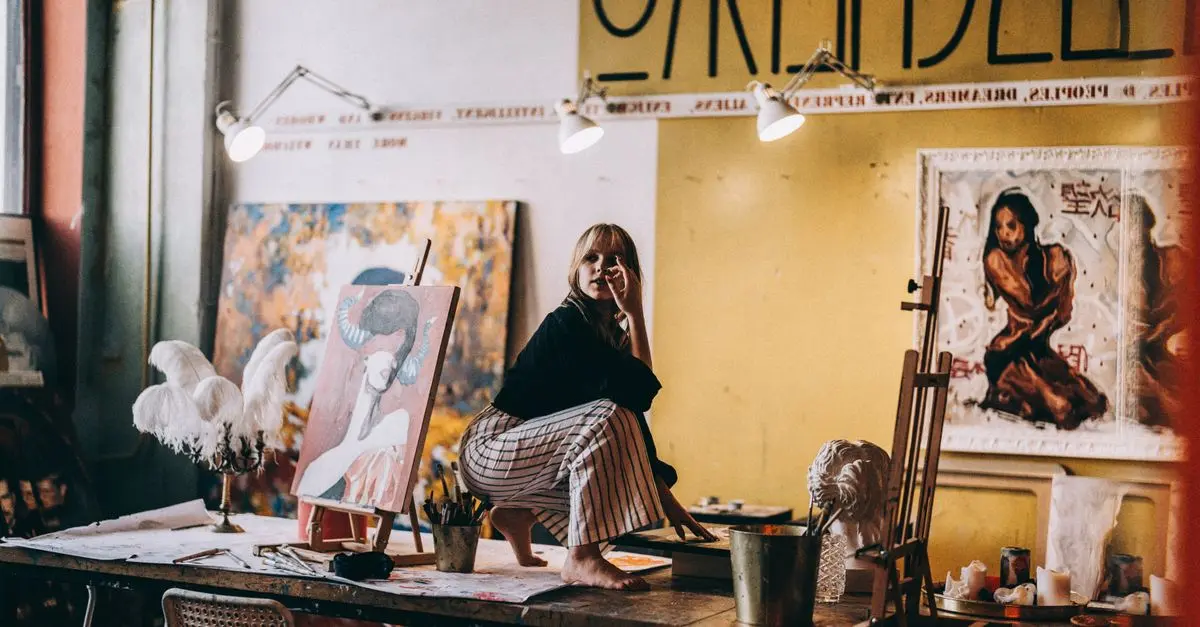
- Create a Dedicated Space: Make a workspace conducive to creativity—well-lit, organized, and filled with inspirations.
- Incorporate Breaks: Don’t forget to schedule breaks, as stepping away can lead to fresh perspectives.
4. Engage with Community
Isolation can hinder creativity. Engaging with a community of artists can provide inspiration, feedback, and networking opportunities. Collaborative projects can also spark new ideas. In fact, 65% of artists who engage in creative communities report improvements in their skills and overall satisfaction (Source: Artistic Collaboration Study).
How to Connect:
- Join Local Art Groups: Participate in workshops or online forums to meet other artists.
- Attend Exhibitions: Both attending and exhibiting at shows can expand your network.
- Collaborate: Work with other artists on projects. This not only builds friendships but also diversifies your skill set.
5. Cultivate Resilience and Learn from Critique
An essential element of an artistic mindset is the ability to cope with criticism and setbacks. Learning to view feedback as a constructive tool rather than a personal attack can greatly enhance your growth. According to Creative Commons, about 80% of successful artists state that they’ve learned from criticism to shape their work better.
Resiliency Techniques:
- Ask for Constructive Feedback: Seek opinions from peers whose taste you trust.
- Reflect on Critique: Take time to process feedback rather than reacting immediately. Ask yourself how you can apply it positively.
- Practice Self-Compassion: Remember that everyone faces rejection and failure; it’s a part of the journey.
📺 Resource Video
> 📺 To dive deeper: "Mindset Shift for Artists: Cultivating Your Creativity" offers in-depth strategies to enhance your artistic mindset. Search on YouTube: "artistic mindset development".
Checklist for Cultivating Your Artistic Mindset:
- [ ] Understand the fundamentals of an artistic mindset.
- [ ] Set clear and realistic goals for your artistic journey.
- [ ] Develop a structured routine for creativity.
- [ ] Engage with other artists and build a creative community.
- [ ] Cultivate resilience and learn from critique.
Glossary
| Term | Definition |
|---|---|
| Artistic Mindset | A mental approach that embraces creativity, resilience, and openness to new ideas. |
| SMART Goals | A framework for setting specific, measurable, achievable, relevant, and time-bound objectives. |
| Creative Flow | A mental state where a person is fully immersed in their creative process, often leading to high levels of productivity. |
---
📺 Pour aller plus loin : artistic mindset development sur YouTube