Table of Contents (12 sections)
Art has the unique ability to express emotions, tell stories, and connect people across cultures. However, becoming an accomplished artist is a journey that requires dedication, practice, and strategic skill development. In this guide, we'll explore essential steps to effectively build your artistic skills and unleash your creativity. Let's get started!
1. Understand the Foundations of Art
Before diving into the creative process, it's crucial to grasp the fundamentals of art. This includes the basic elements such as line, shape, form, space, color, value, and texture. Understanding these concepts will not only enhance your perception of art but also help you create more compelling works.
Tip: Consider enrolling in a foundational art class or workshop, either locally or online. Platforms like Skillshare or Coursera offer courses that cover the essentials of drawing, painting, and design.
2. Choose Your Medium and Tools
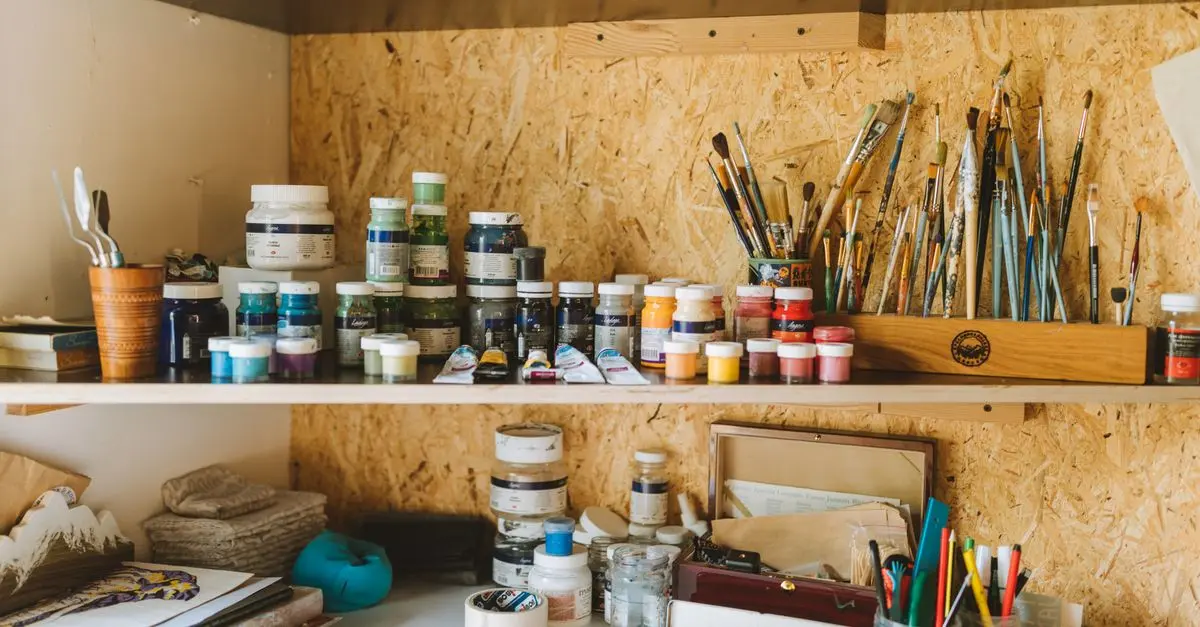
Selecting the right medium is key to developing your artistic skills. Whether you prefer watercolor, acrylics, oils, or digital art, each medium has unique characteristics that can influence your style. Additionally, make sure to invest in quality tools.
| Medium | Pros | Cons | Ideal For |
|---|---|---|---|
| Watercolor | Easy to blend, portable | Can be hard to control | Beginners, landscapes |
| Acrylics | Quick drying, versatile | Can dry too fast | Mixed media, portraits |
| Oil | Rich colors, layers well | Long drying time | Realism, detailed work |
| Digital Art | Undo feature, limitless colors | Requires tech skills | Illustrations, animations |
3. Develop a Consistent Practice Routine
One of the most significant aspects of improving your artistic skills is consistency. Establish a daily or weekly practice routine that incorporates different exercises to challenge yourself, such as life drawing, color studies, or experimenting with various techniques.
Pro Tip: Set a timer for focused practice sessions of 30–60 minutes and take short breaks to refresh your creativity. This approach enhances focus and helps prevent burnout.
4. Seek Feedback and Learn from Critiques
Feedback plays a crucial role in skill development. Share your work with peers, mentors, or within artistic communities to receive constructive criticism. Be open to feedback and willing to make changes based on insights from others.
Expert Insight: Engage with online platforms like DeviantArt or ArtStation where you can upload your artwork and connect with other artists. Feedback made in a supportive community can be invaluable.
5. Explore Different Styles and Techniques
As you grow more comfortable with your skills, start exploring various artistic styles and techniques. Look into realism, abstraction, impressionism, and contemporary art to see what resonates with you. This exploration helps you refine your unique artistic voice and can also keep the creative process exciting.
Checklist for Exploration:
- [ ] Research art history and styles.
- [ ] Create pieces in different styles.
- [ ] Attend exhibitions or virtual gallery tours.
- [ ] Collaborate with artists of different styles.
6. Document Your Progress
Maintaining an art journal can be beneficial in documenting your growth. Include sketches, notes about techniques you’ve learned, challenges, and successes. This record acts not only as a portfolio but also as a motivational tool, showcasing how far you’ve come.
Quick Tip: Use digital platforms like Adobe Fresco for digital art journaling, allowing for easy retrieval and sharing of your work.
7. Set Goals and Participate in Challenges
Establishing clear goals can help maintain motivation. Whether it’s completing specific types of pieces or participating in monthly art challenges like Inktober, setting benchmarks keeps your practice intentional.
Example Goal: Challenge yourself to create one piece of art every day for 30 days. The constraints often inspire creativity in unexpected ways.
8. Keep Learning and Stay Inspired
Art is an ever-evolving field, and staying inspired is key to continual growth. Follow artists you admire, read books on art theory, and explore the vast amount of resources available online, including video tutorials and art blogs.
💡 Expert Advice: Utilize YouTube to find tutorials and learn new techniques. Search for terms like 'artistic skills development' or 'how to paint' for tailored content.
📺 For Further Learning:
Look for YouTube videos titled “Developing Your Artistic Skills” to dive deeper into techniques and practices.
Glossary
| Term | Definition |
|---|---|
| Medium | The material used to create artwork, such as oil paints. |
| Technique | The method or way in which an artist applies their craft. |
| Style | A distinctive manner of expression in art that reflects personal choices. |
Checklist for Developing Artistic Skills
- [ ] Understand the foundations of art.
- [ ] Choose and acquire your medium and tools.
- [ ] Develop a consistent practice routine.
- [ ] Seek feedback from peers.
- [ ] Explore different styles and techniques.
- [ ] Document your progress.
- [ ] Set artistic goals.
- [ ] Continuously learn and find inspiration.
Engage with your creativity and enjoy the process of becoming an artist! Embrace each stage, knowing that each brushstroke you take brings you closer to mastering your artistic skills.
📺 Pour aller plus loin : Develop your own artistic style - acrylic painting - 5 key steps sur YouTube