Table of Contents (15 sections)
Entering the world of art can be both exhilarating and daunting. For new artists, it’s crucial to establish a strong foundation of techniques that enhance creativity and skill. This article explores five essential techniques tailored for new artists, helping you navigate your artistic journey with confidence and authority.
1. Mastering Basic Drawing Skills
Understanding Proportions and Perspectives
Every artist’s journey begins with mastering basic drawing skills. Understanding the principles of proportions and perspective is fundamental. For instance, using techniques like the grid method can help you accurately scale your drawings. Did you know that many artists use sighting techniques to measure angles and distances? This practice ensures that your sketches maintain accurate proportions, leading to more lifelike representations. Consider starting with simple shapes before advancing to complex forms, allowing your eye to train in recognizing proportions effectively.
2. Color Theory and Its Application
Navigating the Color Wheel
Color theory is indispensable for new artists. It guides you in understanding how colors interact, thus allowing for compelling art pieces. Familiarize yourself with the color wheel—identifying primary, secondary, and tertiary colors. Moreover, learn about complementary colors, which enhance visual interest in a composition. By experimenting with color mixing and matching, you can create depth and dynamics in your work. Faber-Castell color pencils, for instance, offer vibrant hues that can inspire creativity in exploring the nuances of color.

The Metropolitan Museum of Art Van Gogh Self-Portrait Colored Pencils
store.metmuseum.org


Berkeley Chess The Sherlock Holmes Series Chess Pieces - 5.95" King - Brown and Natural
houseofstaunton.com
3. Exploring Different Mediums
From Acrylic to Watercolor
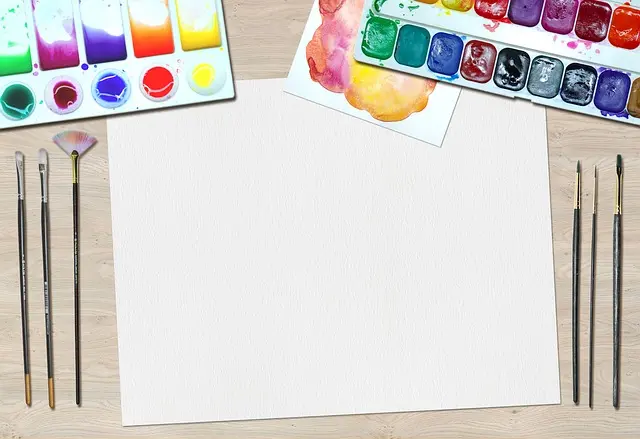
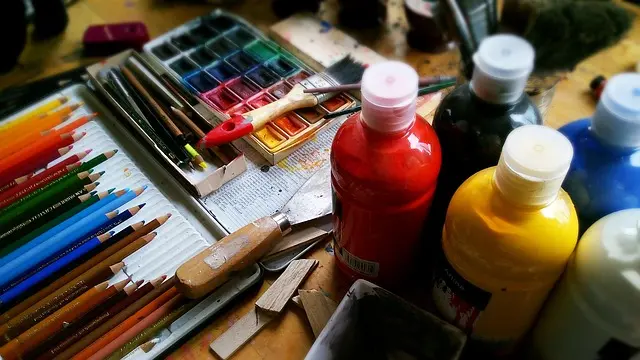
Diverse mediums can significantly enhance your artistry. Trying various materials such as acrylic, watercolor, or even digital art can introduce new dimensions to your creations. Each medium has unique properties—acrylics dry quickly and allow layering, while watercolors offer a soft, ethereal quality. Exploring multiple mediums not only enhances your skill set but also helps you discover which resonates most with your artistic expression. Find local workshops or online tutorials to get hands-on experience with materials you haven’t tried.
4. Developing a Personal Style
The Importance of Experimentation
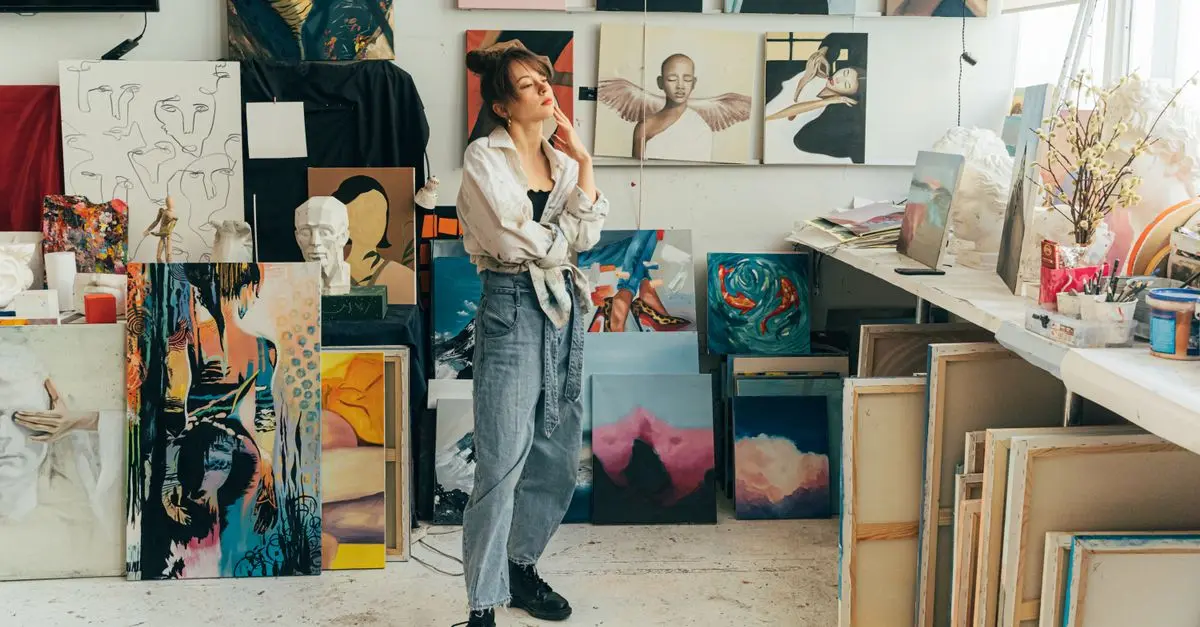
As a new artist, developing a unique style is vital. While it's important to learn from established artists, tapping into your personal experiences and preferences makes your work distinctive. Consider keeping a sketchbook where you can freely explore ideas and themes. This safe space for experimentation enables you to discover what inspires you, whether it's urban landscapes, abstract forms, or still life. Besides, showcasing your journey on social media or local exhibitions can lead to invaluable feedback from peers and seasoned artists alike.
5. Continuous Learning and Feedback
Engaging with Art Communities
Joining art communities or groups is essential for growth. Participating in workshops, attending art fairs, or simply engaging with fellow artists online can provide support and constructive criticism. UFC-Que Choisir emphasizes the rich learning environment that comes from community engagement. Remember, every piece of feedback, whether positive or negative, serves as a stepping stone for improvement.
📺 Resource Video
> 📺 For more insight: Watch our recommended tutorials on these techniques to further enhance your skills. Search on YouTube: Essential techniques for new artists.
Conclusion
Wielding these essential techniques will not only strengthen your skill set but also empower you as an artist. Remember, every artist’s journey is unique, filled with learning opportunities and discoveries. The tools you gather along the way — from mastering proportions to engaging with communities — will serve as the bedrock of your artistic path.
Checklist for New Artists
- [ ] Practice basic drawing skills regularly
- [ ] Experiment with color mixing and theory
- [ ] Explore at least three different mediums
- [ ] Keep a sketchbook for personal style development
- [ ] Seek feedback from art communities
Glossary
| Term | Definition |
|---|---|
| Proportions | The relationship in size between different parts of an object. |
| Color Wheel | A circular diagram representing colors arranged according to their chromatic relationship. |
| Medium | The material or technique used by an artist to create their works, such as oil, watercolor, or digital. |
> 🧠 Quick Quiz: What is the first step every new artist should focus on?
> - A) Master watercolor techniques
> - B) Develop a personal style
> - C) Master basic drawing skills
> Answer: C — Starting with basic drawing skills lays the foundation for all artistic development.
📺 Pour aller plus loin : Essential techniques for new artists sur YouTube
Recommended products
Selected by our experts
The Metropolitan Museum of Art Van Gogh Self-Portrait Colored Pencils
store.metmuseum.org
This set of colored pencils inspired by Van Gogh can enhance any artist's experience with vibrant colors and help in mastering color theory.
40th Anniversary Celebration Album (Various Artists)
deepdiscount.com
A compilation of celebrated works can serve as inspiration for new artists exploring various styles and techniques.
Berkeley Chess The Sherlock Holmes Series Chess Pieces - 5.95" King - Brown and Natural
houseofstaunton.com