Table of Contents (14 sections)
Finding your unique artistic voice is an essential journey for any aspiring artist. This voice reflects your individuality and creativity, setting you apart in a crowded field. In this article, we will explore ten actionable tips that will help you discover and refine your artistic style, enabling you to create work that resonates with both you and your audience.
1. Embrace Your Influences
Understanding the artists that influence you can be a powerful starting point. Make a list of your favorite artists, whether they are painters, musicians, writers, or performers. Take note of the elements of their work that resonate with you. Are it their color palettes, themes, or techniques? Embracing these influences does not mean copying them; rather, it’s about appreciating what inspires you and integrating those elements into your own style.
2. Experiment with Different Mediums
Exploring various mediums can help you uncover what truly excites you in your creative process. Try your hand at painting, sculpture, digital art, photography, or mixed media. Each medium offers unique advantages and challenges, and experimenting with them can lead you to discover techniques and styles that feel more authentic to your artistic voice. For example, a musician might switch between instruments or genres to find their unique sound.
3. Create a Consistent Practice
Developing a consistent artistic practice is key to honing your skills and finding your voice. Set aside dedicated time each week to create, whether it’s daily sketches or weekly painting sessions. According to research by Psychology Today, engaging in a regular creative routine increases overall creativity and helps refine your individual style. Remember, consistency allows your voice to evolve naturally over time.
4. Document Your Progress
Keeping a journal or portfolio of your work can provide valuable insights into your artistic journey. Regularly document your creations, as well as your thoughts and feelings about them. Reviewing your work over time can help identify patterns and themes in your output. Consider setting up an online portfolio to easily track and showcase your growth as an artist.
5. Seek Feedback and Collaborate
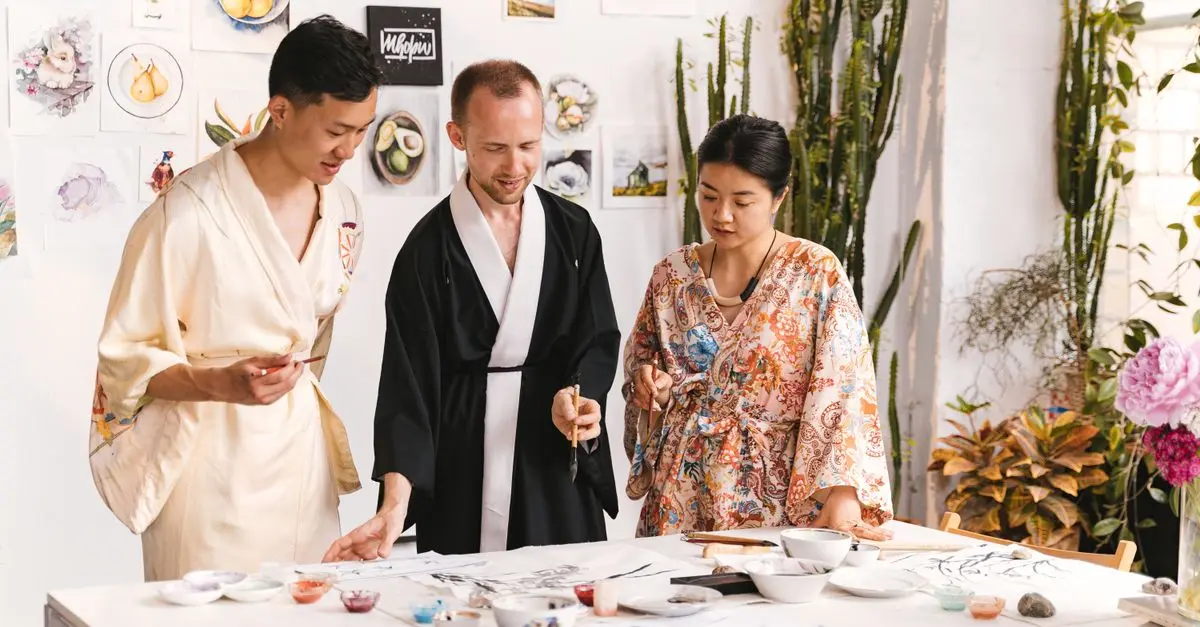
Working with other artists can offer fresh perspectives on your work. Join local art groups or online communities to share your pieces and receive constructive feedback. Engaging in collaboration projects can also enhance your creativity by challenging you to step outside your comfort zone. This process can surface new ideas and styles, helping you refine your unique artistic voice.
📺 Resource Video
> 📺 For further exploration: Understanding Artistic Voice, a comprehensive analysis of finding and developing your own unique style. Search on YouTube: "discover unique artistic voice".
6. Explore Art History
Art history is replete with movements and styles that can inspire your own. Learning about different periods and their iconic artists can provide context and provoke thought about how you want to position your work. Consider visiting galleries, reading art books, or watching documentaries to deepen your understanding and appreciation of various artistic expressions. This knowledge can greatly inform your artistic voice.
7. Analyze Your Work
Take time to critically evaluate your own creations. What elements consistently appear in your art? What emotions do they convey? Understanding your motifs and techniques will provide insight into your unique voice. Consider creating a comparison table of your works to identify trends and unique characteristics in your style. This analytical approach may reveal aspects of your artistic identity that you were previously unaware of.
| Aspect | Artwork 1 | Artwork 2 | Artwork 3 | Observation |
|---|---|---|---|---|
| Palette | Warm | Cool | Mixed | Prefer warm tones |
| Theme | Nature | Urban | Abstract | Nature resonates deeply |
| Technique | Watercolor | Oil | Ink | Comfort in textures |
| Emotional Impact | Joy | Melancholy | Surprise | Wide range of emotions |
9. Engage with Your Audience
Understanding how your audience reacts to your work can provide critical insights into your artistic voice. Use social media or local art shows to engage with viewers and gather their impressions. Pay attention to the artworks that generate the most feedback and response. This interaction can help you align your work with your audience’s interests while maintaining your unique style.
10. Stay Patient and Persistent
Finding your unique artistic voice is not an overnight process. It requires patience and persistence as you explore and refine your style. Remember, every artist’s journey is unique, and comparing your work to others can hinder your progress. Stay committed to exploring and creating, and with time, your distinct voice will emerge.
Checklist for Finding Your Unique Artistic Voice
- [ ] Identify your artistic influences
- [ ] Experiment with at least three different mediums
- [ ] Establish a consistent weekly art practice
- [ ] Document your progress in a portfolio
- [ ] Join an art community for feedback
- [ ] Explore different art history styles
- [ ] Analyze your previous works for patterns
- [ ] Share personal experiences in your art
- [ ] Engage with your audience for feedback
- [ ] Maintain a mindset of patience and persistence
Glossary
| Term | Definition |
|---|---|
| Artistic Voice | The distinctive style and expression that defines an artist's work. |
| Medium | The materials or techniques used to create art, such as painting, drawing, or digital media. |
| Vulnerability | The emotional openness in art that allows personal experiences to influence creativity. |
> 🧠 Quick Quiz: What is the most important aspect of finding your unique artistic voice?
> - A) Finding your favorite artist
> - B) Embracing your influences
> - C) Experimenting with techniques
> Answer: B — Embracing your influences helps build a foundational understanding of your unique style.
📺 Pour aller plus loin : discover unique artistic voice sur YouTube