Table of Contents (11 sections)
Starting your journey as an artist can feel daunting, but embracing your creativity unlocks a world of possibilities. In this guide, we'll delve into essential strategies to help you become an artist, offering step-by-step advice and addressing common challenges. Whether you're using paint, digital tools, or other mediums, understanding the foundations of artistic expression is paramount to your success.
1. Understanding What It Means to Become an Artist
What does it mean to truly be an artist? In essence, being an artist is embracing your unique perspective and channeling that into your work. It's about creating something that resonates with others while remaining true to yourself. Artists can convey emotions, tell stories, or reinforce messages through their creations. This requires both introspection and skill development.
Artistry is not limited to traditional forms like painting or sculpture; it can encompass writing, digital design, performance, and many other avenues. According to a 2026 survey by the National Endowment for the Arts, approximately 50% of adults in the U.S. engaged in some form of artistic expression, highlighting a strong pursuit of creativity in diverse forms. As you learn to express yourself, you’ll find that your journey is deeply personal and evolves over time.
2. Cultivating a Daily Creative Practice
Building a consistent routine is crucial to becoming an artist. To start:
- Make Time: Set aside dedicated time daily for your creative practice, even if it's just 30 minutes.
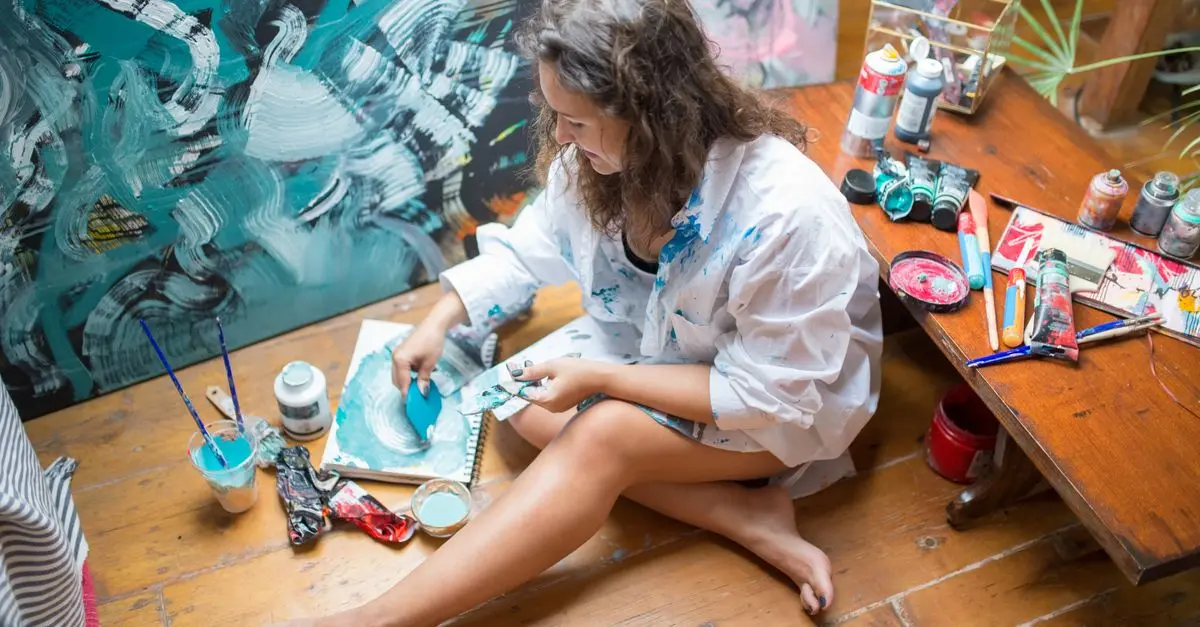
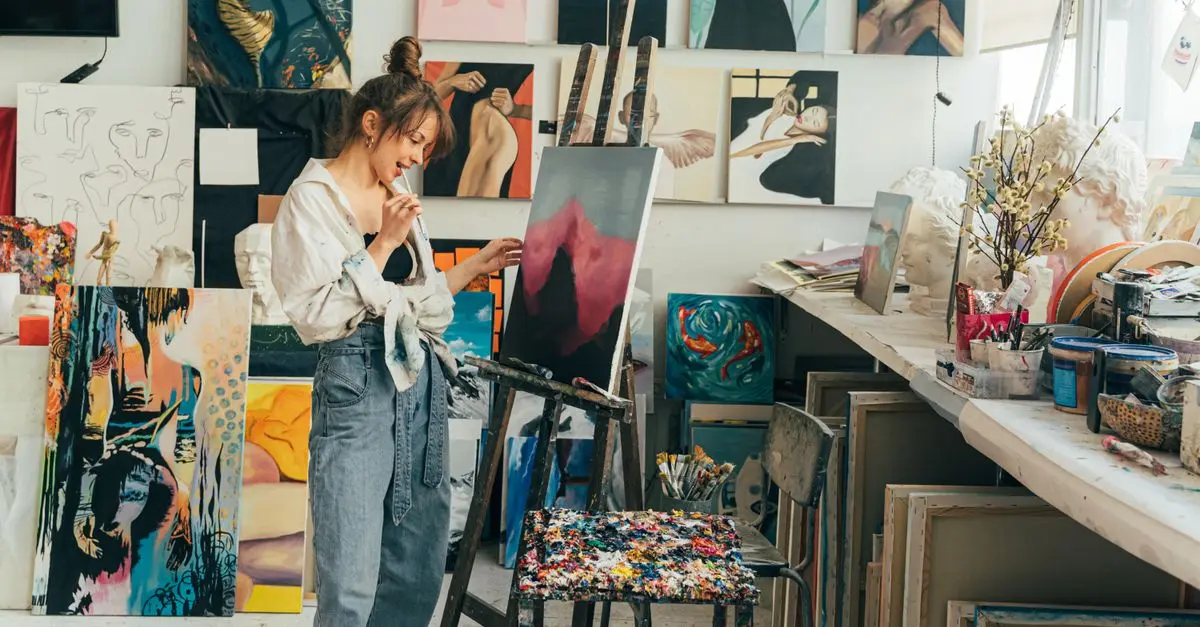
- Create a Workspace: Establish a comfortable space designated for your artistic endeavors, stocked with your preferred tools and materials.
- Experiment Freely: Explore different mediums and techniques without the pressure of creating a masterpiece. Embrace the learning process; mistakes are often the seeds of creativity.
- Stay Inspired: Surround yourself with art and creativity. Visit galleries, read books, or watch documentaries about artists who inspire you.
Remember, the journey of becoming an artist involves trial and error. Therefore, it's beneficial to treat each session as an opportunity to grow, rather than a judgment of your skill. You’ll cultivate a rich artistic mindset through exploration and persistence.
3. Seeking Feedback and Learning from Others
Feedback can significantly enhance your growth as an artist. To effectively seek feedback:
- Join Art Communities: Engage with local or online art communities. Websites like DeviantArt or ArtStation enable artists to share their work and receive critiques.
- Network: Attend workshops or art shows to connect with other artists. Networking allows you to gain insights from various perspectives and share experiences.
- Mentorship: Consider finding a mentor in your artistic field. A mentor can provide invaluable guidance and help you avoid common pitfalls.
When receiving feedback, it’s essential to remain open-minded. Learn to differentiate between constructive criticism and subjective opinions. Remember, even acclaimed artists received feedback that challenged their perspectives at some point in their journeys.
4. Embracing Failure
Every artist faces rejection, criticism, or failure. How you handle these setbacks can make a significant difference in your artistic journey. Recognizing failure as part of growth aids in building resilience.
- Reframe Rejections: Use them as motivation to refine your work. Analyze the feedback and see where improvements can be made without losing your unique voice.
- Document Your Progress: Keep a journal of your artistic journey. Reflecting on your evolution can provide reassurance during times of self-doubt and failure.
A survey by the American Psychological Association indicates that individuals engaged in creative pursuits exhibit higher levels of well-being and lower levels of stress—an essential aspect of mental health. Art shows not only your creative expression but also your determination to progress despite setbacks.
5. Creating and Curating Your Portfolio
As you progress, building a portfolio becomes essential. This collection showcases your skills and represents your artistic journey.
- Select Your Best Work: Choose pieces that highlight your range and skills, focusing on quality over quantity.
- Include a Range of Styles: Display versatility in your portfolio but ensure it reflects your personal brand. This consistency will help define your artistic identity.
- Stay Updated: Regularly update your portfolio with new pieces, discarding older works that no longer represent your current level of skill or vision.
An artist's portfolio is fundamental when seeking commissions, exhibitions, or galleries to represent you. Don’t hesitate to share it online or print it as needed to reach your target audience effectively.
6. Setting Goals and Staying Committed
Establishing clear, achievable goals is vital for your growth as an artist.
- Short-Term Goals: Set monthly or quarterly goals to guide your daily practice. For example, finishing one painting or piece each month reinforces productivity.
- Long-Term Vision: Have a broader vision for where you want to be in 5 to 10 years. This could be to hold a solo exhibition, publish a book, or gain representation by a gallery.
- Celebrate Milestones: Recognize and celebrate your achievements, no matter how small. Each serves as a stepping stone on your artistic journey.
Checklist for Your Artistic Journey
- [ ] Make time for daily artistic practice
- [ ] Create a dedicated workspace
- [ ] Seek feedback from peers
- [ ] Embrace failure and learn from it
- [ ] Build and curate your portfolio
- [ ] Set achievable artistic goals
📺 For Further Exploration:
Watch “How to Unlock Your Creative Potential: Tips for Aspiring Artists” on YouTube. This video provides additional insights and practical advice tailored for emerging artists.
Glossary
| Terme | Définition |
|---|
| Artistic Expression | The ability to convey emotions, ideas, or concepts through various artistic mediums.
| Portfolio | A curated collection of an artist's best work, showcasing their skills and range.
| Constructive Criticism | Feedback that is aimed at helping an artist improve their work, often focusing on specific areas for development.
Recommended Products
- - - Final Thoughts
Embarking on the journey to become an artist is an enriching experience filled with learning and exploration. Remember to enjoy the process, welcome challenges, and stay committed to enhancing your craft. With perseverance and creativity, unlocking your full artistic potential is within reach.
📺 Pour aller plus loin : how to unlock your creative potential as an artist 2026 sur YouTube
Recommended products
Selected by our experts

Bespoke Post x Connor Liljestrom Artist Tee, Smoke Break - Connor Liljestrom Official Shop Smoke Break Small Unisex
bespokepost.com