Table of Contents (11 sections)
Art has always been a vital form of human expression. It allows us to share our thoughts, feelings, and experiences in ways that resonate on a deeply emotional level. But have you ever wondered how to begin your journey into the world of art? This guide outlines actionable steps to help you become an artist, which can be incredibly rewarding and fulfilling.
1. Understanding What It Means to Become an Artist
Before embarking on your artistic journey, it’s essential to understand what it means to be an artist. An artist is someone who creates work that expresses an idea, emotion, or a worldview. You don't need to be a professional or even produce gallery-quality work to be considered an artist. According to research conducted by Cultural Trends, art participation has increased by 43% since 2020, indicating a growing interest in creative pursuits.
Being an artist can mean different things to different people. For some, it might be about honing a craft like painting, drawing, or sculpting. For others, it could involve photography, digital art, or performance art. Understanding your passion will guide your creative process. Always remember that every artist starts as a beginner; they develop their skills through practice and exploration.
2. Cultivating Your Creative Mindset
To successfully become an artist, nurturing a creative mindset is vital. Here are several techniques to help foster creativity:
- Mindfulness Techniques: Practice mindfulness to quiet your mind and open yourself to new ideas. According to studies by Harvard Medical School, mindfulness meditation can enhance creativity.
- Journaling: Maintain an art journal. Write down thoughts, ideas, dreams, or daily occurrences—this practice helps in cultivating new concepts and thoughts.
- Dare to Experiment: Allow yourself to break the rules and experiment with styles or materials that may seem unconventional. Failure is often a stepping stone to success, so embrace it.
Nurturing your creative mindset means being willing to explore, make mistakes, and learn from them without the fear of judgment.


3. Gathering Your Supplies
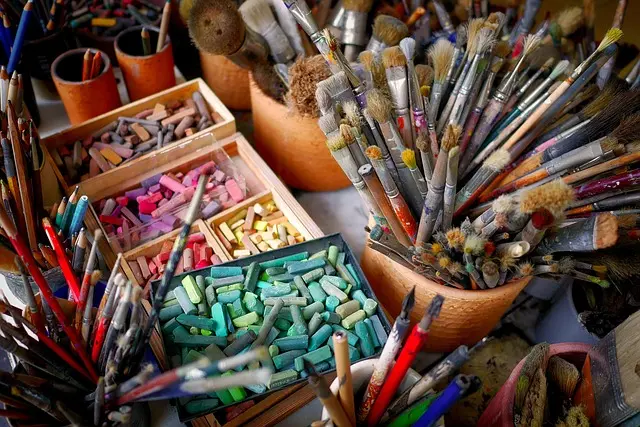
As you step into the life of an artist, having the right materials can enhance your creative process. Each art form may require different supplies, ranging from canvases and brushes for painters to pencils and paper for sketch artists. Let’s look at some essentials:
- Drawing Materials: Sketching supplies are fundamental for artists; a good set of graphite pencils, charcoals, and various types of paper can be the foundation of your art.
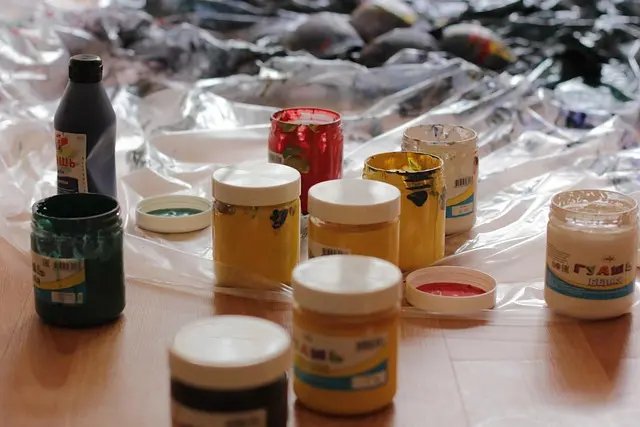
- Painting Supplies: If you are inclined towards painting, invest in quality paints (watercolor, oil, acrylic), brushes, and canvases.
- Digital Art: For those interested in digital creations, a drawing tablet along with design software may be necessary.
We have selected several products that cater perfectly to various artistic needs to ensure you have the right tools at hand for your creative journey.
4. Learning and Mastering Techniques
Every artist requires a solid grounding in techniques related to their chosen medium. This could mean:
- Taking Classes: Hands-on classes or workshops led by skilled artists can accelerate your learning process.
- Online Tutorials: Platforms like YouTube and art-specific websites offer an abundance of free resources to learn techniques.
- Regular Practice: Set aside time regularly to practice your art. Consistent practice helps refine your skills and develop your unique style.
According to Art & Education statistics, artists who engage in at least one class a month see more improvement in their technique compared with those who do not.
5. Creating Your Unique Style
Your unique style is a crucial aspect of your identity as an artist. Developing it takes time and self-exploration. Here are steps to consider:
- Explore Different Genres: Experiment with various art forms and genres to see what resonates with you.
- Influence of Other Artists: Look at work from different artists. Take inspiration but avoid imitating. Instead, integrate elements you love into your personal style.
- Feedback Loop: Share your work with friends or art communities. Constructive feedback helps improve your work and refine your style.
Fetching insights from different styles can help you fine-tune your voice as an artist.
6. Showcasing Your Art
Once you have developed your style and created a body of work, it’s time to share it with the world. Here’s how:
- Social Media: Platforms like Instagram or Pinterest are great for showcasing your art and connecting with other creatives.
- Art Shows: Participate in local art shows or galleries. This not only showcases your work but also connects you with potential buyers or collaborators.
- Personal Website: Create a portfolio website to display your art and share your journey.
Presenting your work is not just about selling; it’s about sharing your journey and connecting with others.

Deacon Jones Foundation - Arizona Cardinals "The Game" Fine Art Canvas Print 26" x 40" by Artist Jason Robichau
bestbuy.com


▣ Resources to Enhance Your Learning
📺 To go further: Explore video tutorials on YouTube: “Finding Your Artistic Voice for Beginners” covering how to tap into your creativity and form your unique style.
🧠 Quick Quiz:
> What is a crucial step to develop your unique art style?
> - A) Imitate famous artists
> - B) Experiment with various mediums
> - C) Stop when you feel you’ve reached a skill level
> Answer: B — Experimenting widens your creativity and helps develop a unique style.
Checklist for Becoming an Artist
- [ ] Identify your passion and art form.
- [ ] Develop a creative mindset.
- [ ] Gather necessary materials and supplies.
- [ ] Pursue learning opportunities.
- [ ] Create and develop your unique style.
- [ ] Showcase your artwork effectively.
Glossary
| Term | Definition |
|---|---|
| Artistic Style | A distinctive manner of expression that characterizes an artist's work. |
| Medium | The materials used to create artwork (e.g., paint, digital, clay). |
| Portfolio | A collection of an artist's work showcasing their skills and areas of expertise. |
---
Embarking on the journey to become an artist can be exhilarating and transformative. Remember, every artist's path is unique, and it's essential to embrace yours wholeheartedly. When you nurture your creativity, hone your skills, and share your work, you're well on your way to becoming an artist. Begin today!
📺 Pour aller plus loin : artistic expression techniques for beginners sur YouTube
Recommended products
Selected by our experts

Bespoke Post x Connor Liljestrom Artist Tee, Smoke Break - Connor Liljestrom Official Shop Smoke Break Small Unisex
bespokepost.com