Table of Contents (17 sections)
Art is a universal language that allows individuals to express their emotions, thoughts, and experiences. Becoming an artist can transform your life, providing both personal fulfillment and a means to share your vision with the world. The benefits of embracing art in your life are profound. According to a study by The National Endowment for the Arts, engaging in creative practices improves mental health and enhances cognitive function. Whether you want to paint, draw, sculpt, or write, the journey to becoming an artist starts with acknowledging your inner creativity and allowing yourself to explore it freely.
Step 1: Embrace Your Inner Artist
The first step on your journey to become an artist is to embrace the idea that you are indeed an artist at heart. Mindset is crucial. Many aspiring artists hold onto limiting beliefs that they aren’t creative or talented enough. In reality, creativity lies within everyone and manifests in various forms. Start by experimenting with different art forms, whether it’s doodling in a sketchbook, trying your hand at photography, or taking up a musical instrument. The goal is to give yourself permission to create without the pressure of perfection.
Step 2: Explore Different Mediums
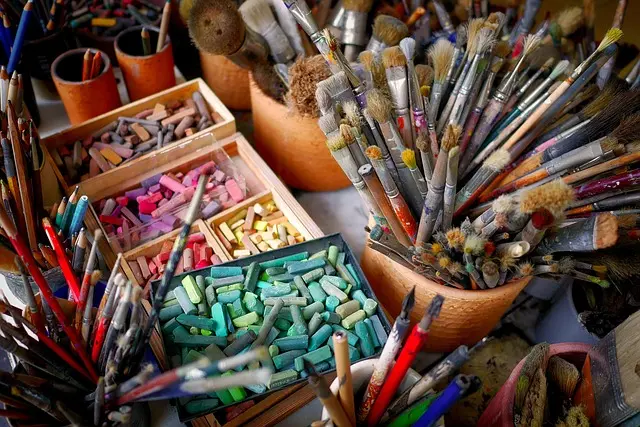
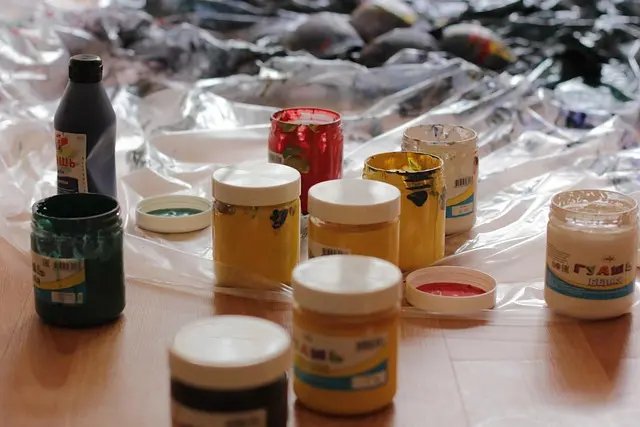
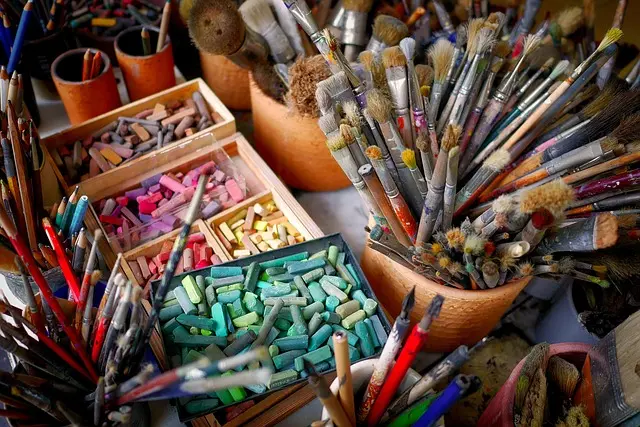
Art comes in many forms and mediums. From painting and drawing to digital art and ceramics, the world of art is vast. Take the time to explore various mediums and find what resonates with you. You might find joy in the bold strokes of oil paints or the delicate lines of pen-and-ink drawings. Enroll in classes or workshops to familiarize yourself with different techniques. According to a survey by Arts Council England, 70% of participants who explored multiple mediums found a unique style that defines their artistic identity. Don't shy away from mixing mediums; often, the best art emerges from experimentation.


Bespoke Post x Connor Liljestrom Artist Tee, Smoke Break - Connor Liljestrom Official Shop Smoke Break Small Unisex
bespokepost.com
Step 3: Develop a Sketchbook Habit
A sketchbook is an invaluable tool for artists of all levels. Regularly sketching, whether it be daily or weekly, allows you to capture your ideas, experiment freely, and refine your skills. Make a habit of carrying your sketchbook wherever you go. You can draw inspiration from everyday life — a bustling street, a quiet sunset, or the playful antics of pets. The act of drawing not only enhances your technique but also allows you to reflect on your growth as an artist. Remember, the goal isn’t to create a masterpiece; it’s to simply create.
Step 4: Study Art Fundamentals
Understanding the fundamentals of art is essential for any aspiring artist. This includes learning about color theory, composition, perspective, and anatomy. Consider taking formal classes or online courses from credible sources. Skillshare and Coursera offer a variety of classes suited for all levels. Additionally, analyzing the works of established artists can provide insight into different techniques and approaches. This foundational knowledge will serve as the building blocks for your unique artistic expression.
Step 5: Connect with Other Artists
Networking with other artists can inspire you and foster your growth. Join local or virtual art communities, attend workshops, or participate in art exhibitions. Engaging with fellow creatives offers valuable opportunities for feedback and collaboration. Additionally, platforms like Instagram and Behance allow artists to showcase their work and connect with like-minded individuals globally. Surrounding yourself with supportive peers can significantly elevate your artistic journey.
Step 6: Build a Portfolio
As you create more pieces, it’s important to compile a portfolio that showcases your artistic journey. Start with the pieces that resonate most with you and reflect your style. A strong portfolio not only demonstrates your skills but can also open doors for future opportunities, such as art shows or commissions. Consider using digital platforms like ArtStation or Adobe Portfolio to curate and present your work professionally. Your portfolio is a vital tool in illustrating your growth as an artist and can be instrumental when seeking professional opportunities.


Deacon Jones Foundation - Arizona Cardinals "The Game" Fine Art Canvas Print 26" x 40" by Artist Jason Robichau
bestbuy.com
Step 7: Embrace Feedback
Receiving feedback is a part of growing as an artist. Seek constructive criticism from trusted friends, mentors, or art instructors. While it can be challenging to hear critiques about your work, they can offer fresh perspectives and help you improve. Remember to balance feedback with your intuition—your art is ultimately a reflection of your vision and voice. Embrace the feedback process as a way to evolve and refine your skills.
Step 8: Share Your Work
One of the most liberating steps of becoming an artist is sharing your work with the world. Whether through social media platforms, local galleries, or art fairs, putting your creations out into the public sphere can be daunting yet rewarding. Engaging with an audience can provide validation and encouragement, fueling your passion. Don’t forget to celebrate every milestone, as this will foster motivation on your artistic journey.
📺 For Further Exploration: Art Techniques and Tips
For more insights on how to nurture your creativity, search on YouTube for "how to improve your artistic skills 2026".
Q: What medium should I start with as a beginner artist?
A: It depends on your interests! Try various mediums like graphite, watercolor, or digital art to find what you enjoy best.
Q: How often should I create art?
A: Aim for consistency. Establishing a regular practice can significantly improve your skills, whether it's daily or a few times a week.
Q: Can I make a living as an artist?
A: Yes, many artists earn income through selling artwork, teaching, or freelance work. Building a network and portfolio is crucial.
Q: How do I maintain motivation as an artist?
A: Set small goals, collaborate with others, and remember to enjoy the creative process. Regularly revisiting your favorite works can inspire you too.
Glossary
| Term | Definition |
|---|---|
| Art Medium | The materials used to create artwork, such as oil, acrylic, or digital tools. |
| Portfolio | A collection of an artist's works, showcasing their skills and style. |
| Critique | A detailed analysis and evaluation of artwork to provide constructive feedback. |
Checklist before starting your artistic journey
- [ ] Acknowledge your creativity
- [ ] Explore different art mediums
- [ ] Develop a sketchbook habit
- [ ] Study art fundamentals
- [ ] Connect with other artists
- [ ] Build a strong portfolio
- [ ] Embrace feedback
- [ ] Share your work
Creating art is not just about producing works; it's about the journey of self-discovery and expression. Each step toward becoming an artist is a step toward understanding yourself better. As you embark on or continue your artistic adventure, remember to enjoy the process and cherish the opportunity to express your thoughts and feelings through your unique lens.
Discover our curated selection of products designed to enhance your artistic experience below!
📺 Pour aller plus loin : how to improve your artistic skills 2026 sur YouTube
Recommended products
Selected by our experts