Table of Contents (13 sections)
Understanding Your Artistic Voice {#artistic-voice}
As an aspiring artist, the first step on your journey is to identify your artistic voice. Your unique perspective is what sets you apart from others. Reflect on your interests, experiences, and the themes that resonate with you. Create a mood board to align your vision with your creative output. Visualizing your influences can help solidify what you wish to communicate through your art. Artists like Yayoi Kusama or Banksy exemplify strong personal styles that connect deeply with their audiences. Studies show that artists who clearly define their voice tend to create more compelling work, ultimately setting the stage for a more fulfilling artistic career.
Diving into Timed Sketching {#timed-sketching}
Timed sketching is an invaluable practice for any aspiring artist. It teaches you to draw quickly, capturing the essence of your subject without getting bogged down in details. Set a timer for 5 to 15 minutes and sketch whatever inspires you, whether it’s a landscape, person, or still life. This offers a balance between accuracy and expression. Research indicates that artists who incorporate timed practices into their routines not only improve their speed but also their ability to see form and composition more clearly. By practicing regularly, you’ll build confidence in your skills and learn to trust your instincts on paper.

Exploring Various Mediums {#exploring-mediums}
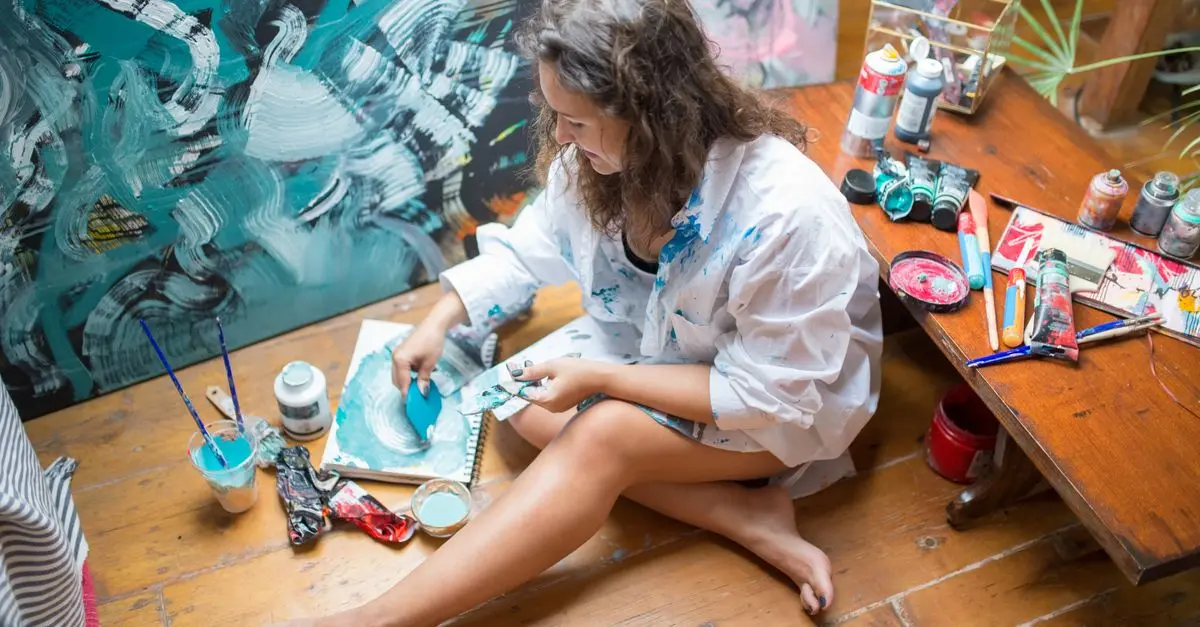
One of the best ways to enhance your skills is to experiment with different mediums. From charcoal and watercolor to digital tools and oil paints, each medium has its unique properties and challenges. Experimentation can lead to unexpected discoveries, helping you to find what resonates most with your artistic voice. For example, many artists find themselves drawn to the fluidity of acrylic paints, while others prefer the precision of ink. According to surveys from art schools, students who diversify their medium exposure often show marked improvement in technique and creativity within just a few months. These explorative experiences not only broaden your skill set but also enhance your versatility as an artist.
Setting Up a Consistent Practice Schedule {#practice-schedule}
Creating a consistent practice schedule is crucial for skill enhancement. Allocate specific times during the week dedicated solely to your art. This regularity fosters habit and discipline. Starting with just 20-30 minutes daily can lead to significant improvements over time. A study published in Psychological Science found that individuals who commit to regular practice are more likely to improve in their craft. Maintain a sketchbook for daily ideas or visual experiments that feed back into your developing skills. Remember, consistency trumps intensity in building a sustainable artistic practice.
Seeking Constructive Criticism {#constructive-criticism}
Constructive criticism is a valuable tool for skill enhancement. Sharing your work with peers or mentors allows you to receive feedback that can guide your development. Consider joining art groups or online forums where constructive conversation is encouraged. According to data from ArtNet, artists who actively engage with feedback tend to refine their techniques more effectively. Always remember to differentiate between constructive criticism that aids in growth and subjective opinions that may not serve you well. Embrace the feedback that challenges you and pushes your work to new heights.
Building a Diverse Portfolio {#portfolio-diversity}
A diverse portfolio showcases your range as an artist and can open numerous doors for opportunities. Include various projects that reflect different stages of your creativity and proficiency. Whether it's fine art, illustrations, or conceptual pieces, diversity can attract broader audiences and future clients. Research shows that a well-rounded portfolio significantly increases an artist’s chances of securing exhibitions or freelance work. Begin to curate your portfolio with intention, focusing on pieces that encapsulate your artistic voice while demonstrating your technical capabilities.
Engaging with Art Communities {#art-communities}
Art communities, both online and offline, provide invaluable support and networking opportunities for aspiring artists. These communities help you connect with like-minded individuals who share your passion. Platforms like Instagram, Behance, or local art clubs facilitate sharing work and receiving feedback. A study from The Art of Ed highlights how engagement in communities boosts motivation and learning. Participation in collaborative projects or challenges can further inspire creativity and foster meaningful relationships that enhance your discipline and skills.
Leveraging Online Resources {#online-resources}
In 2026, the internet is saturated with resources for skill enhancement. Utilize platforms like Skillshare, YouTube, or Masterclass for artist-led tutorials and demonstrations. These resources allow you to learn at your own pace, diving into specific techniques or styles when it suits you. According to a survey conducted by Art News, 68% of artists reported that online tutorials significantly aided their skill development. Exploring these platforms can offer fresh perspectives and reinvigorate your practice with new ideas that you may not have considered before.
Attending Workshops and Classes {#workshops-classes}
Participating in art workshops and classes offers direct access to learning from experienced artists in a structured environment. These sessions typically focus on specific techniques or mediums and can provide valuable insights that self-study might miss. Research indicates that hands-on learning experiences dramatically enhance skill retention and understanding. Many artists find new inspiration and motivation in workshops, allowing them to break through creative blocks and expand their artistic horizons. Don’t hesitate to seek out local studios or online webinars that fit your interests.
Tracking Your Progress {#tracking-progress}
Keeping a record of your progress is highly beneficial for growth. Document your artwork and the techniques you've applied over time. Reflect on your evolution as an artist; analyzing past work can highlight areas for improvement and celebrate milestones. Use journals or digital platforms to log your thoughts, reflections, and techniques learned. Research from CreativeBloq suggests that artists who maintain journals have a clearer sense of their growth, thus enhancing their motivation to continue refining their skills.
Glossary
| Term | Definition |
|---|---|
| Artistic Voice | The unique expression and style that defines an artist's work. |
| Constructive Criticism | Feedback aimed at helping an artist improve their work. |
| Portfolio | A collection of an artist's work demonstrating their skills and versatility. |
Checklist before beginning your artistic journey
- [ ] Identify your artistic voice
- [ ] Practice timed sketching regularly
- [ ] Experiment with various mediums
- [ ] Establish a consistent art practice schedule
- [ ] Seek out constructive criticism
- [ ] Build a diverse and curated portfolio
- [ ] Engage with art communities for support
- [ ] Utilize online resources for learning
- [ ] Attend workshops to enhance your skills
- [ ] Track your progress periodically
🧠 Quick Quiz: What is the most crucial step for aspiring artists?
- A) Create a unique voice
- B) Use expensive materials
- C) Follow trends
Answer: A — Developing a personal voice is foundational for meaningful art.
📺 To go deeper: Explore essential techniques for artists, a thorough guide to enhancing your creative skills. Search on YouTube: art techniques for aspiring artists 2026.
📺 Pour aller plus loin : art techniques for aspiring artists 2026 sur YouTube
Recommended products
Selected by our experts
40th Anniversary Celebration Album (Various Artists)
deepdiscount.com
This album showcases various artists and their styles, providing inspiration and insight into different artistic expressions.