Table of Contents (17 sections)
Embarking on an artistic journey can be overwhelming yet incredibly rewarding. Whether you are a budding artist or someone who wishes to explore their creativity further, the right guidance can help you kickstart your artistic journey. This article provides essential tips to bolster your confidence and foster your artistic skills.
1. Find Your Artistic Medium
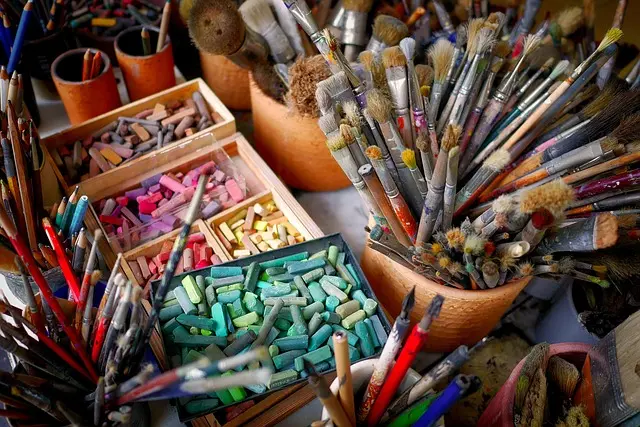
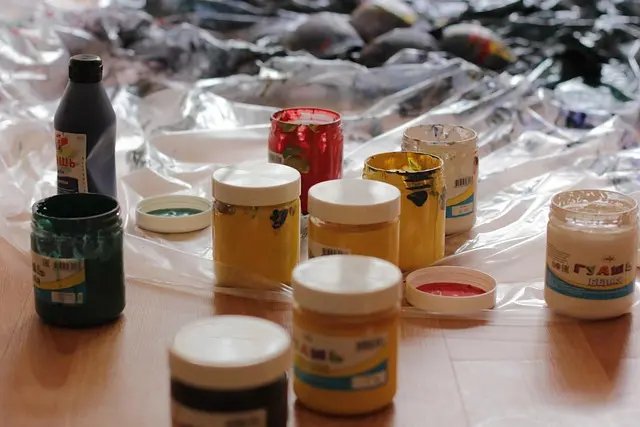
Every artist has a preferred medium that resonates with their style and personality. Choosing the right medium can dramatically influence your artistic journey. Whether it's acrylics, watercolors, pastels, or even digital art, understanding what resonates with you is crucial. Spend time experimenting with different techniques and materials. For instance, if you enjoy vibrant colors and swift application, acrylic paints might suit you well. Conversely, if you prefer a softer look and a more controlled medium, watercolors could be your best bet. Exploring different mediums can also lead to discovering unique styles that reflect your personality.
2. Develop a Daily Practice
One of the most impactful ways to hone your skills is through consistency. Creating a daily practice schedule can enhance your artistic abilities significantly. This could be as simple as dedicating 30 minutes each day to sketching or painting. Over time, this will help you build muscle memory and improve your technique. Many successful artists emphasize the importance of discipline. For example, Pablo Picasso reportedly had a routine that saw him sketching every day. Incorporating a daily art ritual helps create an environment where creativity flourishes.
3. Study Art History
Understanding the evolution of art can enrich your own artistic journey. Art history is vast, encompassing various styles, movements, and techniques developed across centuries. Dive into the works of master artists like Leonardo da Vinci, Frida Kahlo, and Vincent van Gogh. Analyzing their techniques, themes, and inspirations can provide invaluable insights. Knowing the historical context of art can encourage new ideas and prevent you from duplicated existing works without understanding their significance.
4. Engage with a Community
Art doesn't exist in a vacuum; engaging with other artists can be incredibly beneficial. Join art communities online or locally to share your work and gain feedback. Platforms like Instagram and Pinterest are great for connecting with other creatives. Participating in forums or social media groups can expose you to different perspectives and techniques. Furthermore, this interaction fosters a sense of belonging, which can be a powerful motivator in your journey.
📺 For further exploration: "Discover the Artist Within: Steps to Start Painting", a complete analysis of starting your artistic journey. Search YouTube: "how to start painting for beginners".
5. Embrace Mistakes
One common misconception among aspiring artists is the fear of making mistakes. Embracing errors is a vital part of the creative process. Many masterpieces result from unplanned strokes or ideas—think of Jackson Pollock and his spontaneous drip paintings. Understanding that mistakes can spark innovation allows for greater freedom in your work. View every piece you create, whether you love or loathe it, as a stepping stone on your artistic journey.
Comparative Analysis of Art Mediums
| Medium | Strengths | Weaknesses | Best For |
|---|---|---|---|
| Acrylics | Fast-drying, vibrant colors | Can be hard to blend | Bold, colorful artworks |
| Watercolors | Soft washes, easy clean-up | Less control over detail | Light, ethereal pieces |
| Pastels | Rich color, soft finishes | Smudges easily | Textured, soft works |
| Digital Art | Versatile, easy to edit | Requires technology | Modern illustrations |
Data-Driven Insights on Artistic Growth
Research shows that artists who commit to a regular practice not only improve their technical skills but also experience enhanced creativity. A study by the National Endowment for the Arts indicated a 40% increase in creative problem-solving abilities among individuals who maintain a consistent artistic routine. This highlights that dedication and routine not only improve skills but also foster creativity.
What is the best way to start in art?
The best way is to choose your medium, create a routine, and consistently practice.
How long should I practice daily as an aspiring artist?
Even 30 minutes a day can lead to significant improvement over time.
Should I take art classes or learn on my own?
Both paths are valuable; classes can provide structure, while self-learning fosters personal exploration.
Can I become a successful artist without formal education?
Absolutely! Many successful artists are self-taught and thrive through practice and community engagement.
Glossary
| Term | Definition |
|---|---|
| Medium | The materials or tools used to create art (e.g., oil paint, clay). |
| Art Community | Groups of artists who share works, critiques and motivation. |
| Technique | The specific method of using a medium to create art. |
Checklist Before You Start
- [ ] Choose your artistic medium
- [ ] Create a daily art practice schedule
- [ ] Investigate art history
- [ ] Join an art community
- [ ] Embrace and learn from mistakes
- [ ] Share your progression
- [ ] Gather constructive feedback
- [ ] Stay open to new mediums and techniques
- [ ] Celebrate small wins
- [ ] Keep a journal of your artistic journey
Conclusion
Embarking on your artistic journey can seem daunting, but by following these steps, you will establish a solid foundation for growth. Remember to keep an open mind and enjoy the process. Your art is an extension of yourself; let it evolve over time. Start today, and don’t forget to have fun along the way!
📺 Pour aller plus loin : how to start painting for beginners sur YouTube