Table of Contents (14 sections)
Finding your artistic style is an essential part of becoming a successful artist. It defines your unique voice and sets you apart in a crowded field. The process of defining your style can be both exciting and challenging. Understanding what resonates with you can lead to a more fulfilling artistic journey. This guide provides the top 10 tips that can help you find your artistic style effectively.
1. Explore Different Mediums
Experimenting with various mediums is a foundational step in discovering your artistic style. Whether it's painting, drawing, sculpture, or digital art, each medium offers unique challenges and opportunities. For instance, working with charcoal can teach you about contrast and shading, while acrylics may allow you to explore vibrant colors. Artistic growth often occurs outside of your comfort zone. Don't be afraid to try something new!
2. Analyze Your Influences
Consider the artists who inspire you. Make a list of them and analyze what you like about their work. Is it their use of color, composition, or subject matter that draws you in? By dissecting what you appreciate in others’ work, you can start to shape your own style. This reflective practice helps you understand not only your aesthetic preferences but also your deeper motivations.

Deadwood Trading Skavoovie - Soft Wool Felt Pork Pie Hat - Large / Black
hatcountry.com
3. Create Regularly
Consistency is key in finding and refining your artistic style. Set aside time each day or week to practice. Whether you create a small piece or a larger project, regular creation helps you develop muscle memory and confidence. Over time, you will notice patterns in your work and preferences that reveal your unique voice. Remember, the more you create, the closer you get to finding your style.
4. Embrace Mistakes
Mistakes are vital to the artistic process. Instead of viewing them as failures, see them as opportunities for learning. Many renowned artists, including Pablo Picasso and Vincent van Gogh, embraced imperfection and created masterpieces from their errors. Document your mistakes and analyze what went wrong; this will guide you towards your strengths and weaknesses.
5. Seek Feedback
Engaging others in your artistic process can provide fresh perspectives that help clarify your style. Share your work with friends, family, or artistic communities. Use platforms such as social media to receive constructive feedback. Join local art groups or online forums where you can interact with fellow artists who can encourage you and provide valuable insights.
6. Develop a Personal Aesthetic
Your artistic style should reflect your personal experiences and worldview. Think about who you are and what you want to convey through your art. Incorporate elements that hold personal significance to create a deeper emotional connection with your audience. Developing a personal aesthetic is an invaluable process that unites your experiences with your creations.
7. Create a Style Guide
Once you discover patterns in your creations, it might be beneficial to create a style guide. This guide could include color palettes, materials you prefer to use, and themes that resonate with you. A visual reference can be helpful when starting new projects, ensuring that you remain consistent in your artistic journey. This can also help you articulate your style to others, leading to better collaboration opportunities.
8. Understand Art History
Familiarizing yourself with art history can inspire you and provide a context for your work. Knowing different movements, styles, and techniques opens up new possibilities for your own creations. Explore movements such as Impressionism, Surrealism, or Abstract Expressionism and consider how their philosophies might influence your practice. Understanding the historical context can inspire originality in your work and help to solidify your style.
9. Take Breaks and Reflect
Artistic burnout is real, so remember to take breaks and reflect on your progress. Stepping away from your work can give you a fresh perspective. When you return, assess where you’ve come from and where you’d like to go next. Reflection is a key tool in refining your artistic style, allowing you to reassess your objectives and techniques regularly.
10. Stay Authentic
Ultimately, your artistic style should be an authentic representation of you. Stay true to your vision and resist the temptation to conform to trends or others' expectations. Authenticity resonates with audiences and distinguishes your work. Remember, the journey to find your artistic style can be long and winding, but being true to yourself will lead you to a fulfilling artistic identity.
Checklist Before You Begin
- [ ] Explore at least three new mediums
- [ ] List five artists who inspire you and analyze their work
- [ ] Set a weekly art creation schedule
- [ ] Document and embrace your mistakes
- [ ] Share your work for feedback regularly
- [ ] Define your personal aesthetic
- [ ] Create a style guide for reference
- [ ] Research at least three historical art movements
- [ ] Take scheduled breaks for reflection
- [ ] Commit to being authentic in your work
Glossary
| Term | Definition |
|---|---|
| Artistic Style | The unique expression and conventions an artist uses in their artwork. |
| Medium | The materials or techniques used to create a piece of art (e.g., oil paint, charcoal). |
| Aesthetic | A set of principles concerned with the nature and appreciation of beauty in art. |
> 💡 Expert Opinion: Engaging routinely in diverse artistic practices not only solidifies technical skills but also fosters innovation in style. By immersing yourself in various approaches, you broaden your creative horizons and significantly enrich your artistic voice.
📺 Further Resource:
Watch our video on How to Find Your Artistic Style, which provides actionable insights for artists on their journey. Search on YouTube: how to find your artistic style 2026.
📺 Pour aller plus loin : how to optimize your artistic style journey sur YouTube
Recommended products
Selected by our experts
Deadwood Trading Skavoovie - Soft Wool Felt Pork Pie Hat - Large / Black
hatcountry.com
This stylish hat can inspire confidence while you work, enhancing your creative environment.
Jeu créatif Djeco Artistic Aqua Perles à repasser Arc-en-ciel
Fnac FR
The creative game can be a fun way to explore artistic techniques while fostering playful creativity.
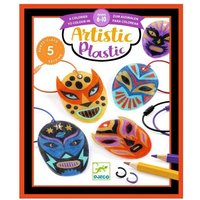
Jeu créatif Djeco Artistic Plastic Porte-clés Catcheurs
Fnac FR
Creating unique pieces through this creative kit can help you practice and refine your style effectively.