Table of Contents (25 sections)
Art is not just a talent; it is a skill that can be cultivated and developed over time. Many aspiring artists flirt with the idea of becoming professionals but often find themselves stuck, unsure of how to progress on their journey. This guide outlines essential steps to cultivate artistic skills effectively, paving the way for your artistic evolution.
1. Understanding Your Artistic Goals
What Do You Want to Achieve?
Before diving into the world of art, establish what you want to accomplish. Do you aim to paint, draw, sculpt, or pursue digital art? Defining clear goals helps in selecting the right paths and practices. For example, if you wish to become a freelance illustrator, focus on mastering digital tools like Adobe Illustrator or Procreate.
Setting Short and Long-term Goals
Create a goal timeline that outlines both short and long-term aspirations. Short-term goals might include completing a specific drawing every week, while long-term goals could involve securing an exhibition. By regularly assessing your goals, you'll maintain motivation and track your progress effectively.
2. Nourishing Your Creativity
Finding Inspiration
Creativity often takes a backseat when routine sets in. To nourish your creativity, indulge in diverse experiences. Visit art galleries, explore nature, or engage in reading. For instance, Picasso drew inspiration from African masks, which transformed his artistic direction.
Keeping an Idea Journal
Maintain an idea journal where you jot down inspirations, concepts, or sketches. This tangible source of creativity can help when you're feeling uninspired. Review it regularly to reignite your passion or explore new directions in your art. According to a survey by The Creative Independent, 89% of successful artists keep a dedicated journal.
3. Practicing Regularly
Establishing a Routine
The road to mastering your art involves consistent practice. Dedicate a time each day for artistic endeavors. This could range from 20 minutes to several hours, depending on your schedule. Consistent practice solidifies skills and can also create a meditative habit that enhances your overall well-being.
Techniques and Media
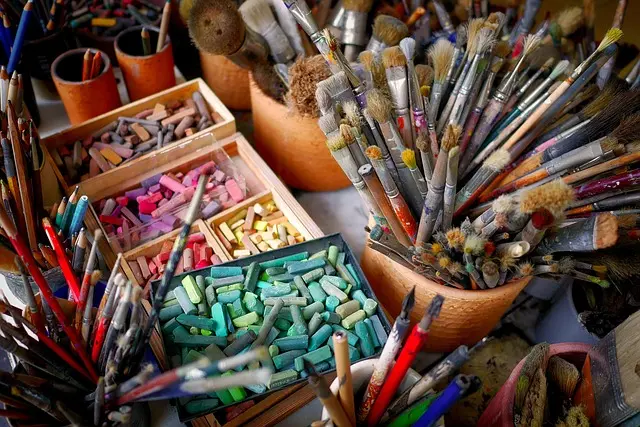
Experiment with various art techniques and mediums. Whether it’s watercolor, charcoal, or digital painting, find what resonates most with you. Avoid sticking to just one method early on, as this may hinder your growth. Embrace challenges through using unfamiliar tools to expand your capability.
4. Seeking Feedback and Critique
Joining Art Communities
Participate in local or online art communities like DeviantArt or Behance. Sharing your work provides an opportunity for constructive criticism that is crucial for improvement. Feedback helps you see perspectives you may have overlooked and can guide you in making necessary adjustments.
Understanding Constructive Criticism
While seeking feedback, remember that not all critiques are beneficial. Focus on constructive criticism that aims to improve your skills rather than vague statements. Engage with critics who provide actionable insights rather than only praise. The balance between accepting feedback and nurturing your artistic voice is essential.
5. Learning from the Masters
Studying Professional Works
Take the time to analyze works from established artists. This can involve breaking down their techniques, styles, and overall compositions. For example, studying Van Gogh’s use of color and brushstroke can help you understand how to convey emotions through art.
Taking Art Classes
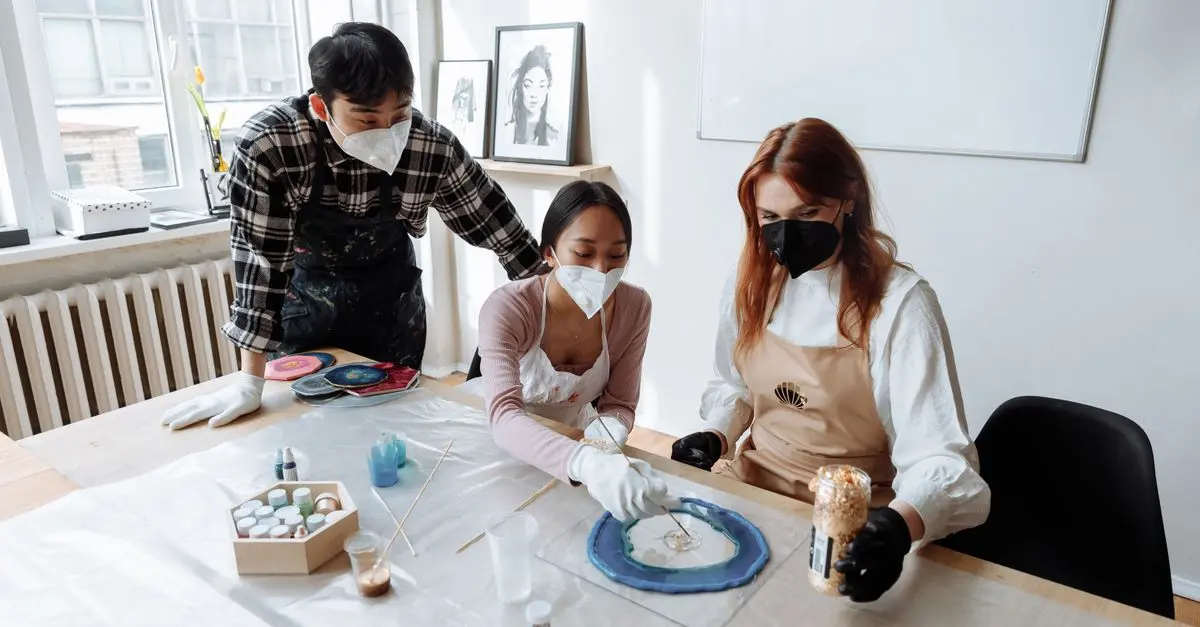
Consider enrolling in art classes or workshops led by experienced artists. These settings offer a structured environment where you can gain new skills, techniques, and feedback. Moreover, many online platforms like Skillshare or MasterClass provide courses from celebrated artists worldwide.
6. Building Your Portfolio
Showcasing Your Work
As you make progress in developing your artistic skills, start assembling a portfolio. This is crucial if you aspire to gain clients or admission to art programs. Your portfolio should be a curated selection of your best works, showcasing versatility and growth.
Online Presence
In today's digital age, having an online presence is vital. Utilize platforms like Instagram or a personal website to share your artwork. Engaging with your audience can open up new opportunities and provide additional feedback.
7. Staying Inspired and Avoiding Burnout
Finding Balance
Artistic endeavors can occasionally lead to burnout, especially when pursuing perfection. To combat burnout, ensure that you distribute your art practice in balance with other activities. Incorporate relaxation, leisure, and social interactions to recharge your creativity.
Continuous Learning
Art is an evolving field; thus, embracing a mindset of continuous learning is crucial. Attend workshops, read books, and stay updated on trends to keep your passion alive. Surround yourself with creativity by following various artists across multiple platforms.
8. Checklist for Cultivating Artistic Skills
- [ ] Define your artistic goals
- [ ] Keep an idea journal
- [ ] Establish a consistent practice schedule
- [ ] Seek feedback from fellow artists
- [ ] Analyze the works of established artists
- [ ] Build an online portfolio
- [ ] Incorporate breaks and relaxation into your routine
📺 Resource Video
> 📺 For more insights: How to Develop Your Artistic Skills offers additional guidance. Search on YouTube: artistic skills development 2026.
Glossary
| Term | Definition |
|---|---|
| Artistic Development | The process of improving and enhancing one’s artistic skills over time. |
| Feedback | Constructive responses from others about one’s work, aimed at improvement. |
| Portfolio | A curated collection of an artist’s works demonstrating their style and abilities. |
---
📺 Pour aller plus loin : artistic skills development 2026 sur YouTube