Table of Contents (10 sections)
Becoming an artist is a journey filled with creative expression, self-discovery, and personal growth. Art allows individuals to convey emotions, tell stories, and evoke change. However, stepping into the artistic world requires more than talent; it requires a structured approach. This guide outlines the essential steps to becoming an artist, offering insights into techniques, tools, and common pitfalls to avoid.
1. Understand Your Artistic Vision
Before embarking on your artistic journey, take the time to reflect on what being an artist means to you. What do you want to convey through your work? This analysis will help shape your style and focus. Many artists find inspiration in various sources, such as nature, personal experiences, or societal issues.
Consider creating a vision board that compiles images, colors, and quotes that resonate with your desired artistic identity. For example, if you’re drawn to landscapes, gather images of nature that ignite your passion. This board will act as a visual reminder of your goals as you navigate the hurdles of artistic creation.
2. Acquire Basic Skills and Techniques
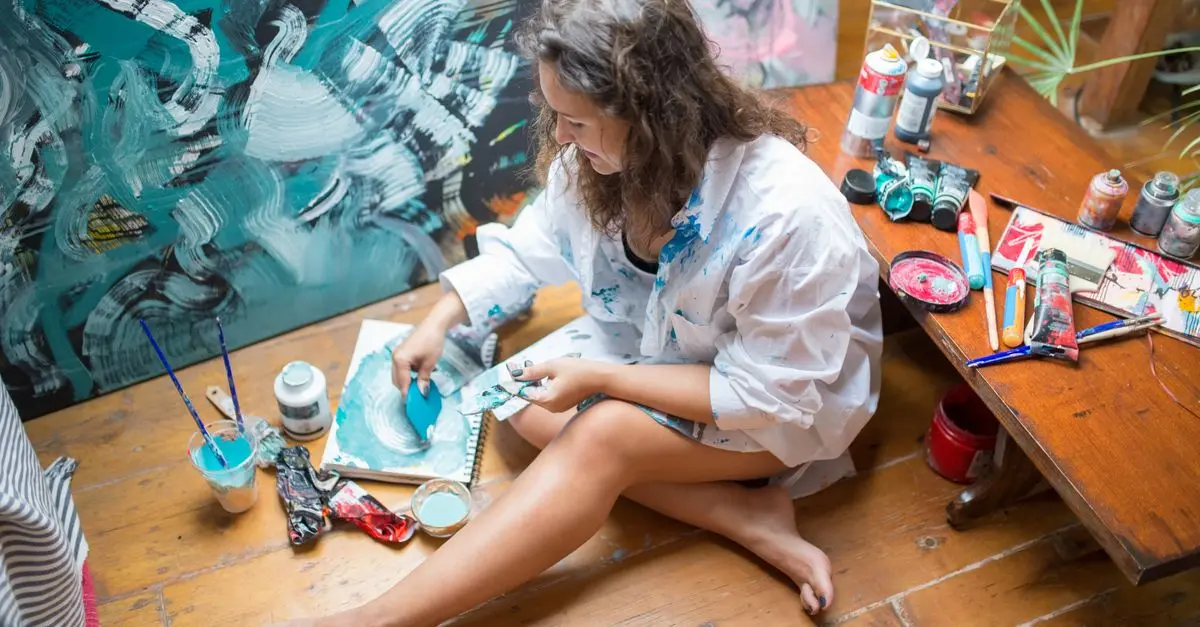
Once you have a clear vision, it’s time to hone your skills. Learning the technical aspects of art is fundamental. This includes understanding color theory, composition, perspective, and various mediums, such as painting, drawing, digital art, or sculpture.
Many artists start with online tutorials or local workshops to learn from experienced instructors. According to a recent survey, artists who attend workshops or classes report feeling more confident in their abilities (Source: UFC-Que Choisir). Additionally, daily practice is essential. Allocate time each day to experiment and refine your techniques. As Picasso stated, “Every act of creation is first an act of destruction.” This highlights the importance of iterative practice and learning from mistakes.

L'oreal Brow Artist Contour des yeux 108 Warm Brun
DocMorris FR (ex DoctiPharma FR)

L'oreal Brow Artist Contour des yeux 107 Cool Brun
DocMorris FR (ex DoctiPharma FR)
3. Explore Different Styles and Mediums
As you develop your skills, experiment with different artistic styles and mediums. This exploration allows you to discover what resonates with you the most. Styles may include realism, abstraction, surrealism, or impressionism, while mediums can range from oils, acrylics, charcoal, and digital platforms.
Create a mini-portfolio of works across various styles. This not only aids in discovering your preferences but also in identifying strengths. You may find that certain combinations evoke emotions or convey messages more powerfully than others. Periodically evaluate your works to see how far you’ve come and where you'd like to head next.
4. Build a Portfolio
A comprehensive portfolio is essential for any aspiring artist. Your portfolio showcases your best work and also reflects your artistic journey. Aim to include a variety of pieces that demonstrate your skills and versatility.
When assembling your portfolio, consider the following:
- Quality over quantity: Include only your best work.
- Diversity of styles: Show that you can work across different mediums and themes.
- Artist statement: Accompany each piece with a brief explanation of your inspiration and intent.
Make use of both online platforms and physical portfolios. Utilize social media and professional websites to provide access to your work. Research suggests that artists with an online presence increase their visibility and marketability significantly (Source: Les Numériques).
5. Get Involved in the Artistic Community
Engaging with other artists and the community can lead to invaluable opportunities. Networking is vital for growth. Join local art groups, social media forums, or attend art exhibitions and workshops to meet other creatives.
Collaboration can sprout new ideas and offerings. Additionally, critical feedback from peers will enhance your skills. Attend critique sessions or workshops that allow for peer reviews. This interaction nurtures a supportive community that fosters growth and inspiration.
6. Promote Your Work
Once you’ve built a body of work, it’s time to think about promotion. Marketing yourself effectively is essential for gaining visibility. Consider setting up an artist website showcasing your portfolio, bio, and contact information. Utilize social media to share your creative processes, artworks, and upcoming shows. Engage with followers by sharing behind-the-scenes content and actionable insights.
Participate in art fairs and local galleries to showcase your work. Getting your art in front of an audience can provide valuable exposure and even lead to sales. Moreover, consider reaching out to blogs and online publications to feature your work, as this expands your reach to potential collectors.
7. Stay Persistent and Adapt
The life of an artist is filled with ups and downs. Persistence is key in overcoming challenges and setbacks. Set realistic goals and stay committed, even when progress seems slow. Adapting to feedback and learning from experiences will only enrich your skills.
Maintain an open mindset towards growth—art is subjective and constantly evolving. Continue to seek inspiration from different sources and embark on new projects that challenge you creatively.
Checklist for Aspiring Artists
- [ ] Define your artistic vision.
- [ ] Acquire basic skills and techniques.
- [ ] Experiment with different styles and mediums.
- [ ] Build an impressive portfolio.
- [ ] Engage with the artistic community.
- [ ] Promote your work effectively.
- [ ] Stay adaptable and persistent.
Glossary
| Terme | Définition |
|---|---|
| Artistic Vision | Conception personnelle d’un artiste concernant le but et l’inspiration de son travail. |
| Portfolio | Collection organisée des meilleures œuvres d’un artiste, servant à promouvoir son travail. |
| Networking | Processus d’établissement de relations avec d’autres artistes et professionnels du monde de l’art pour des opportunités de collaboration. |
> 📺 For further exploration: Discover effective painting techniques, a complete analysis of painting methods. Search YouTube: "effective painting techniques 2026".
Recommended Products:
- - - ---
📺 Pour aller plus loin : 10 EASY WAYS to Improve Your Art In 2026 (beginner friendly) sur YouTube
Recommended products
Selected by our experts
L'oreal Brow Artist Contour des yeux 108 Warm Brun
DocMorris FR (ex DoctiPharma FR)
We’ve selected essential tools that will enhance your artistic journey, such as quality brushes and canvases.
L'oreal Brow Artist Contour des yeux 107 Cool Brun
DocMorris FR (ex DoctiPharma FR)
High-quality paint palettes offer the right mixing space, crucial for any artist looking to explore color creatively.