Table of Contents (11 sections)
Creating captivating art is not just about technical skills; it’s about understanding the emotional resonance and depth that art can evoke. In this article, we will explore the essential components that can elevate the quality and emotional impact of your artwork. From harnessing creativity to understanding your audience, each element plays a vital role in becoming a proficient artist.
What is Captivating Art?
Captivating art refers to works that engage viewers on a deeper level. This art can prompt emotional responses, provoke thought, or inspire action. The essence of captivating art lies in its ability to connect with an audience, regardless of the medium employed. Whether it’s a painting, sculpture, or digital piece, the critical question remains: what makes one piece resonate more than another?
To answer this, we must look at several key elements: originality, emotional depth, technical mastery, and audience engagement. Each element contributes to how art is perceived and valued. For instance, Dante Gabriel Rossetti emphasized that the emotional experience of art comes from its ability to reflect personal truths rather than mere visual aesthetics. Understanding these elements can significantly enhance your artistic journey.
Step-by-Step Guide to Creating Captivating Art
Creating captivating art involves a methodical approach:
- Identify Your Inspiration: Start with what inspires you. This could be nature, personal experiences, or even societal issues. Research different art styles and movements for motivation.
- Sketch Your Ideas: Once you gather inspiration, sketch out your concepts. This preliminary step allows you to visualize your ideas and refine them before you start working on your final piece.
- Choose Your Medium: Selecting the appropriate medium can drastically affect the emotional tone of your art. For example, watercolor can impart a soft, ethereal quality, while oil paints often have more depth and vibrancy.
- Focus on Composition: Composition refers to how elements are arranged within your artwork. A well-balanced composition guides viewers' eyes and builds interest. Techniques such as the Rule of Thirds can enhance visual appeal.
- Final Touches and Reflection: After completing your artwork, take a step back and reflect on its emotional impact. Consider seeking feedback from trusted peers to gain different perspectives.
Through each step, remain true to yourself and convey a message that resonates with both you and your audience.
Comparative Analysis of Artistic Styles
When creating captivating art, it’s also essential to compare different artistic styles and their impact:
| Style | Strengths | Weaknesses | Ideal Usage |
|---|---|---|---|
| Impressionism | Evokes feeling; encourages personal interpretation | May lack detail; can seem unfinished | Emotional, personal themes |
| Realism | Captures life accurately; high detail | Limited emotional depth; can feel static | Narrative-driven pieces |
| Abstract | Freedom of expression; open to interpretation | May confuse; not relatable for all audiences | Conceptual and emotional art |
| Surrealism | Engages the subconscious; intriguing imagery | Can be misunderstood; requires cultural context | Dreamlike themes |
The Impact of Emotion in Art
Emotion is at the core of creating captivating art. It plays a critical role in how art is created and experienced. For instance, the American Art Therapy Association reveals that art can significantly reduce stress and improve mental health.
As an artist, tapping into your own emotions can lead to more authentic and resonant work. Techniques such as journaling your feelings or meditative practices can help cultivate emotional clarity and inspiration. An artist like Vincent van Gogh exemplifies this; his tumultuous emotions profoundly influenced his expressive style, resulting in work that still speaks to audiences today.
Expert Insights on Crafting Masterpieces
💡 Expert Opinion: Art is a reflection of life, whether it portrays joy, sorrow, or thoughtfulness. The best art establishes a moment of connection with viewers, making them feel seen and heard. — Sophia Bell, Art Instructor
This perspective underscores the significance of emotional authenticity in your work. Involving your audience emotionally can make your art unforgettable. Remember, captivating art doesn’t have to be perfect; it simply needs to represent genuineness and intent.
FAQ on Creating Captivating Art
Q1: What materials do I need to start creating captivating art?
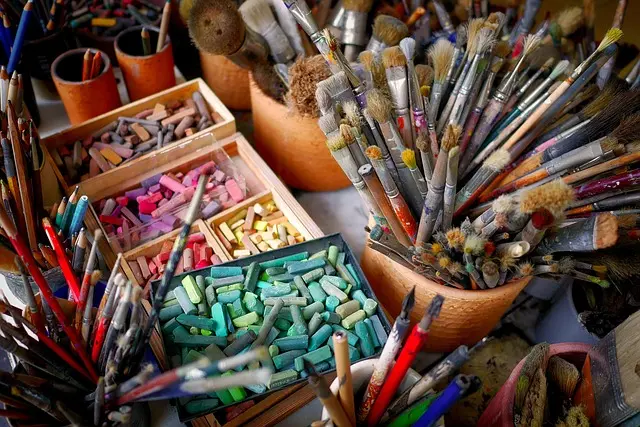
A1: Start with basic supplies: paper, paint, brushes, and any mediums you’re interested in. As you progress, you can explore more specialized materials.
Q2: How do I know if my art is captivating?
A2: Seek feedback from others and assess emotional reactions. If viewers feel something, even if it's confusion, your art likely has depth.
Q3: Can I sell captivating art without formal training?
A3: Yes! Many self-taught artists successfully sell their work. Authenticity and emotional connection often matter more than formal education.
Q4: How can I continually improve my art?
A4: Regular practice, studying art history, and honest critique from your peers can help you grow as an artist.
📺 Resource Video
> 📺 For further exploration: Check out How to Create Emotionally Impactful Art, which delves into practical techniques in your artistic toolbox. Look for it on YouTube searching for: "captivating art creation techniques."
Glossary
| Term | Definition |
|---|---|
| Art Therapy | A therapeutic practice using art to express emotions and heal. |
| Composition | The arrangement of elements within a work of art. |
| Medium | The materials used to create artwork (e.g., oil, acrylic, watercolor). |
Checklist for Creating Captivating Art
- [ ] Gather inspiration from various sources
- [ ] Develop initial sketches and concepts
- [ ] Choose the right medium for your piece
- [ ] Create a balanced composition
- [ ] Seek feedback from peers on your process
Conclusion
Creating captivating art is an ongoing journey of exploration, emotion, and connection. By focusing on the essential elements discussed, you can elevate your artistic practice and ultimately create works that resonate deeply with your audience. Start small, apply these lessons, and let your creativity flourish — your masterpiece awaits!
📺 Pour aller plus loin : how to create captivating art techniques sur YouTube