Table of Contents (13 sections)
Sculpture, an art form with a rich history, is a powerful medium for self-expression and storytelling. As a beginner, understanding the fundamental sculpture techniques can open new avenues for creativity. Sculpture techniques have evolved over time, giving rise to various styles and methods.
Step 1: Choosing Your Materials
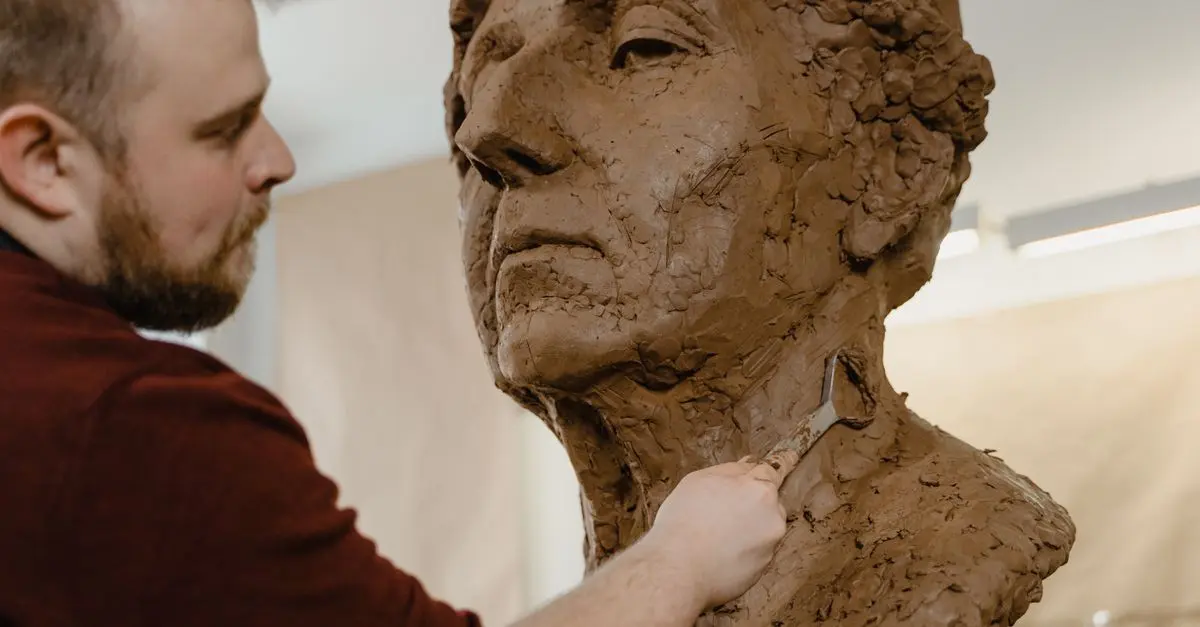
Selecting the right materials is crucial for your sculpture project. Beginners often start with clay due to its malleability and ease of use. Alternative materials include stone, wood, and metal, each providing unique challenges and opportunities.
- Clay: Ideal for practice, allows for easy corrections.
- Stone: Offers permanence but requires tools and safety measures.
- Wood: Versatile with a natural texture, demands specific carving skills.
- Metal: Durable with a modern appeal, best for advanced sculptors.
Each material influences the sculpture's texture, durability, and overall aesthetic. As you gain experience, experimenting with different materials can enhance your skills and artistic range.
Step 2: Understanding the Tools
Familiarize yourself with basic tools for sculpture. These tools vary depending on your chosen material but generally include carving tools, smoothing tools, and safety equipment.
Common Tools Used:
- Clay Sculpting Tools: Wire cutters, rib tools, and loop tools.
- Stone Carving Tools: Hammers, chisels, and points.
- Woodworking Tools: Gouges, chisels, and saws.
Always prioritize safety. Wear protective gear, especially when working with hard materials like stone or metal.
📺 Resource Video
> 📺 For further learning: Introduction to Sculpting Materials, a comprehensive overview of materials suitable for beginners. Search on YouTube: "beginner sculpture materials 2026."
Step 3: Building the Armature
An armature is the framework that supports your sculpture, providing stability and shape.
Creating an Armature:
- Select appropriate materials: Wire is commonly used for its flexibility and strength.
- Design the structure: Consider the final shape of your sculpture and create a base accordingly.
- Assemble carefully: Secure each part of the armature to withstand the weight of added materials.
Proper armature construction prevents structural failures as you build and refine your sculpture.
Step 4: Basic Sculpting Techniques
Begin with simple techniques to shape your sculpture.
- Modeling: Adding and subtracting material to form the desired shape. Clay modeling is a common starting point.
- Carving: Removing material to reveal your design, often used in wood or stone.
- Casting: Pouring material into a mold to create replicas, suitable for metals and plaster.
Each technique offers different textural outcomes, allowing for creative expression and precision.
Comparisons of Sculptural Techniques
| Technique | Ease for Beginners | Common Materials | Typical Uses |
|---|---|---|---|
| Modeling | High | Clay | Prototypes |
| Carving | Medium | Wood, Stone | Finished pieces |
| Casting | Medium | Metal, Plaster | Replicas |
Step 5: Finishing Touches
Finishing is critical for achieving a polished look.
- Sanding: To smooth surfaces, especially for wood and some metals.
- Polishing: Enhances shine and texture for materials like stone.
- Applying a patina: For metals, adds color and protection.
Each finishing technique has its process and required tools. Adapt your approach based on your chosen material.
- What is the best material for beginners in sculpture?
Clay is often recommended for beginners due to its flexibility and ease of use.
- Do I need expensive tools to start sculpting?
No, beginners can start with basic tools which are often affordable.
- How important is an armature in sculpture?
Very important. It provides stability and shape to the sculpture.
- Can I mix different materials in one sculpture?
Yes, experimenting with mixed media can result in unique and intriguing artworks.
Glossary
| Terme | Définition |
|---|---|
| Modeling | Technique involving the addition and subtraction of material. |
| Casting | Pouring liquid material into a mold to form a shape. |
| Armature | Framework for supporting a sculpture. |
Checklist for Beginner Sculptors
- [ ] Choose the right material for your project.
- [ ] Gather necessary tools and protective gear.
- [ ] Plan and construct your armature.
- [ ] Practice basic sculpting techniques.
- [ ] Apply appropriate finishing touches.