Table of Contents (12 sections)
Understanding Your Supplies
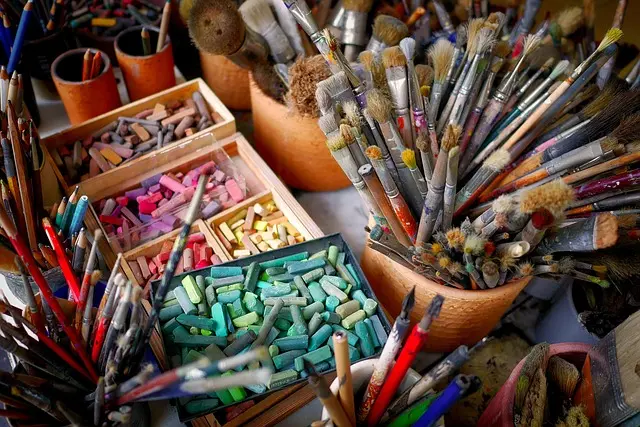
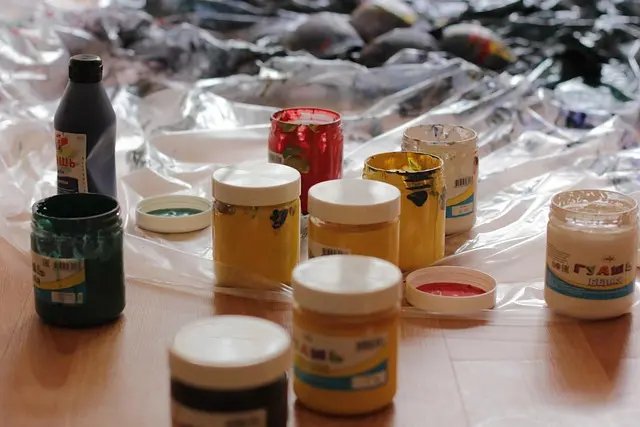
Before you even begin your oil painting journey, understanding your supplies is crucial. Oil paints come in a variety of brands and prices. Beginners should look for student-grade paints as they offer a balance between quality and cost. Brushes come in various shapes: flat, filbert, and round are the most common for starting. Don't forget the importance of a quality canvas. Pre-stretched canvases are convenient but learning to stretch your own could save costs. Effective tools lead to better results and more satisfying creations.
Setting Up Your Workspace
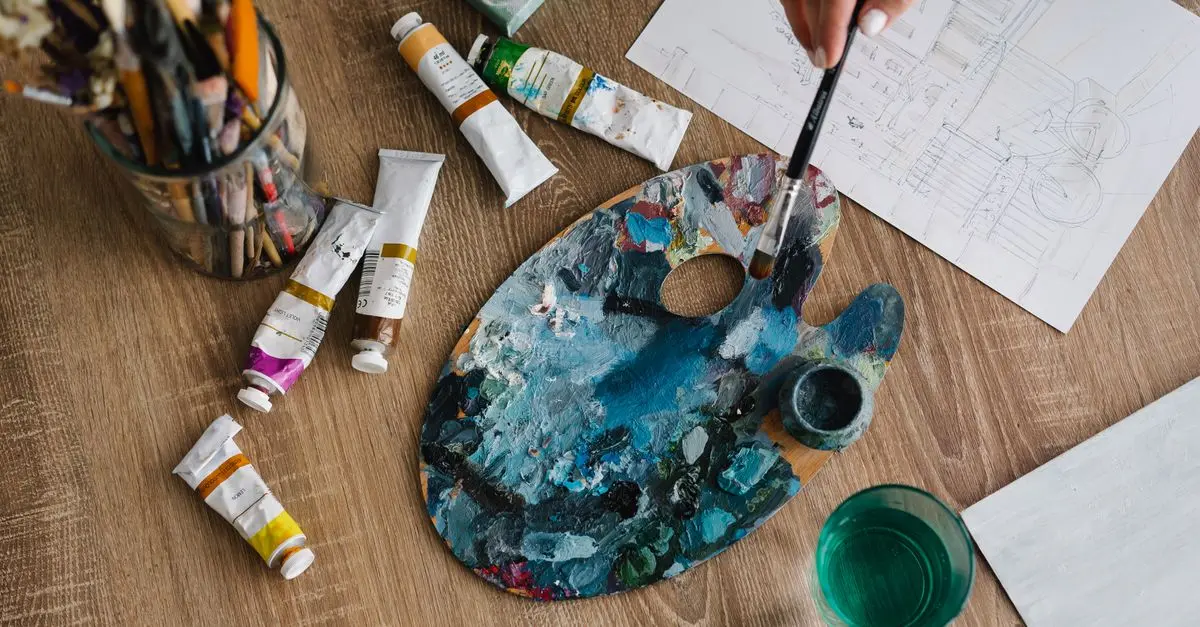
Creating an efficient workspace can influence the flow of your artwork. Ensure your area is well-ventilated as oil paints and solvents release fumes. Having a sturdy easel and a palette is necessary for mixing colors. The workspace should have storage for supplies and ample light, preferably natural, to help you see true color tones. A clutter-free space leads to clearer focus, facilitating creativity and productivity.
Mastering Color Mixing
Color mixing can be intimidating at first, but with practice, it becomes second nature. Begin with the primary colors - red, blue, and yellow. Understanding how to mix these can create a variety of hues. An ideal method is the color wheel, which can help predict the outcome of your mixtures. Avoid using black straight from the tube; mix your darks using complementary colors instead for a richer tone.
Techniques to Apply Paint
Applying paint involves a variety of techniques that can add depth and interest to your work. Alla prima, or wet-on-wet, involves applying paint to wet layers, ideal for achieving a fresh look. In contrast, glazing involves applying thin transparent layers over dry paint to achieve luminosity. Consider practicing on smaller canvases before embarking on larger projects. Each stroke must be deliberate to define your style and improve confidence.
📺 Resource Video
> 📺 For a deeper dive: Master Oil Painting Techniques with Experts, a complete analysis of [oil painting techniques]. Search YouTube: oil painting techniques tutorial.
Layering and Texture
Layering and texture bring dimension to a painting. To layer successfully, understand the 'fat over lean' rule: apply thicker layers over thinner ones to prevent cracking. Using a palette knife can add interesting textures, while brushes can create smoother or more subtle effects. Experiment to find what best suits your vision. Capturing texture in nature like tree bark or waves can bring your creations to life.
Finishing Touches
Once your masterpiece is complete, it's crucial to fine-tune details. Look at your work from a distance to see the whole piece. Cleaning edges and ensuring transitions between colors are smooth can elevate your painting. Don't rush this part; attention to detail can make the difference between a good painting and a great one.
Caring for Your Art
Caring for finished pieces ensures longevity. Seal your painting with a varnish to protect against dust and UV damage, enhancing color vitality. Store artwork in a dry, moderate environment to prevent weather-related damage. Avoid direct sunlight exposure to keep the colors vibrant and unaltered over time.
Quiz rapide
> 🧠 Quick Quiz: What is the 'fat over lean' rule?
> - A) Thicker paint over thinner layers
> - B) Thinner paint over thicker layers
> - C) Mixing fat colors with lean ones
> Answer: A — This technique prevents cracking by ensuring the layers above dry at a similar rate.
Glossary
| Term | Definition |
|---|---|
| Alla Prima | A painting technique where layers are applied wet-on-wet. |
| Color Wheel | A circular diagram of colors used to show relationships between colors. |
| Fat over Lean | A rule in painting where thicker oil paint layers are applied over thinner layers. |
Checklist before painting
- [ ] Understand your supplies thoroughly
- [ ] Set up a comfortable and ventilated workspace
- [ ] Master the basics of color mixing
- [ ] Learn and practice painting techniques
- [ ] Apply and understand layering
- [ ] Polish your work with finishing touches
- [ ] Protect and care for your artwork