Table of Contents (11 sections)
Art has always been a profound means of expression, allowing individuals to tap into their creativity, share their thoughts, and provoke emotions. But what does it really take to embark on a journey of becoming an artist? In this guide, we’ll break down the steps you need to take to discover your artistic identity and develop your skills.
1. Understand What Becoming an Artist Means
Before diving into the techniques and tools necessary for artistic expression, it's essential to grasp what it means to be an artist. Being an artist extends beyond creating visually appealing work; it encompasses a mindset of curiosity, creativity, and perseverance. Artists often respond to the world around them, reflecting societal issues, personal experiences, or abstract thoughts through their chosen medium.
Moreover, the artistic journey is deeply personal and can vary significantly among individuals. According to a survey conducted by the National Endowment for the Arts, 70% of adults surveyed consider art an important part of their lives. This statistic highlights the universal appeal of art and the various forms it can take, from painting and sculpture to digital art and performance.
Take a moment to reflect on what art means to you. Ask yourself why you want to become an artist and what message or experience you want to share with others. This intrinsic motivation will guide your journey and inspire your work moving forward.
2. Identify Your Artistic Medium
Your next step is to explore various artistic mediums to find the one that resonates with you the most. Artists may work in a variety of fields, including painting, photography, sculpture, digital art, or performance art. Each medium offers unique opportunities for expression and communication.
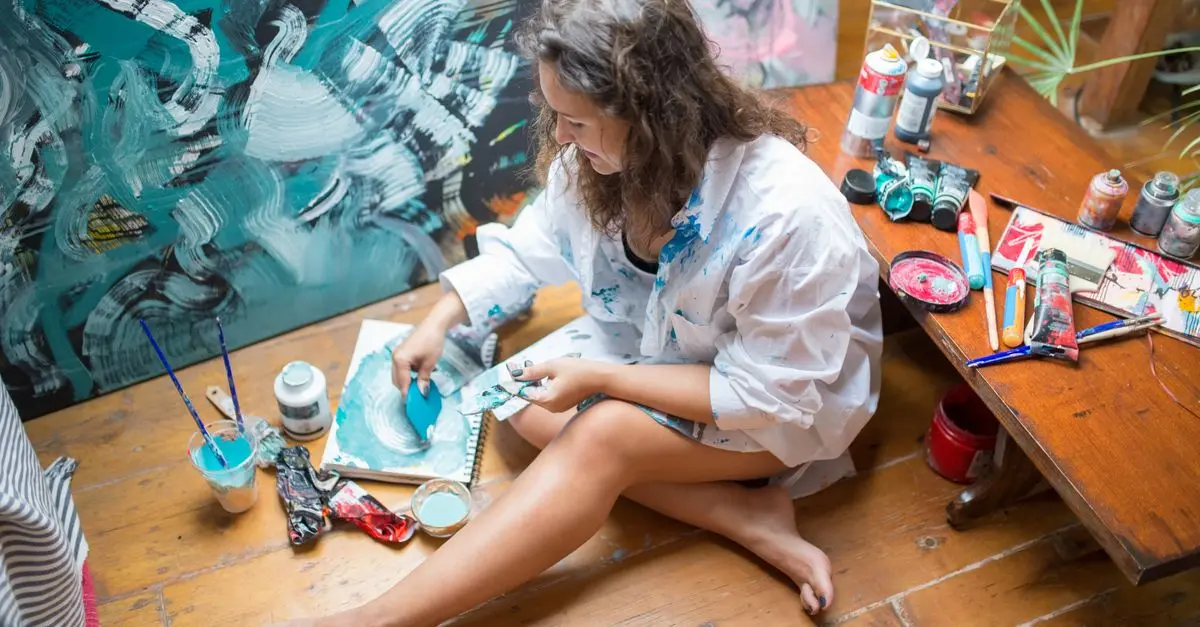
- Painting: This traditional medium allows for exploration of color, texture, and representation. You might experiment with oil, acrylic, or watercolor paints.
- Photography: If you are drawn to capturing moments, consider photography. It requires a keen eye for composition, lighting, and storytelling.
- Digital Art: With the advent of technology, artists are increasingly using digital platforms to create vibrant and dynamic artworks.
To facilitate your exploration, take workshops, enroll in classes, or seek online tutorials. These experiences will help you understand the technical skills required and the resources available to each medium. Experimentation is key; don’t shy away from trying new techniques. As you work, you will gradually discover a medium that aligns with your passions.
3. Develop Your Skills
Once you've pinpointed your medium, it’s time to refine your technique. Skill development is essential for any artist, as proficiency in your chosen medium will enhance your ability to express your ideas effectively.
- Practice Regularly: Consistent practice can significantly improve your skills. Set aside time each week to create, experiment, and push boundaries.
- Study Art: Look at works from artists you admire. Analyze their techniques and styles to understand how they convey emotion and meaning.
- Seek Feedback: Share your work with peers, mentors, or online communities. Constructive criticism can provide invaluable insights to further your growth as an artist.
Many artists find that taking courses or attending workshops can significantly accelerate their learning process. Local art schools often provide intensive sessions covering both technique and theory, which can be quite beneficial.
4. Build Your Artistic Network
Networking is a vital aspect of becoming an artist. Connecting with other artists, art educators, and industry professionals can provide support, inspiration, and opportunities for collaboration.
- Attend Art Events: Participate in art shows, workshops, or community events. These gatherings are excellent for meeting like-minded individuals and making professional connections.
- Join Online Communities: Platforms like Instagram or Behance allow artists to showcase their work and interact with a global audience. Engaging with others in these spaces can lead to feedback, mentorship, and exposure.
- Collaborate: Consider collaborating with fellow artists on projects. This can not only broaden your skill set but also expose you to different artistic viewpoints and practices.
Understanding the power of community is crucial. As an artist, you are not alone on this journey; sharing experiences and resources enriches your creative process and fosters a collaborative spirit.
5. Create a Portfolio
Once you’ve developed your skills and started creating a body of work, it’s time to compile a portfolio. This collection will serve as a testament to your artistic journey and can significantly impact your opportunities in the art world.
- Select Your Best Work: Choose pieces that showcase your skills, style, and growth. Include a variety of works to demonstrate versatility.
- Presentation Matters: Presentation is just as critical as the artwork itself. Consider the layout, lighting, and format of your portfolio to create an engaging experience for viewers.
- Digital vs. Physical: While digital portfolios are convenient, having a physical portfolio can be advantageous during interviews or art shows.
A well-curated portfolio can open doors to exhibitions, galleries, and other professional opportunities. Keep it updated as your work evolves and your abilities grow.
Checklist before you start:
- [ ] Define your artistic goals.
- [ ] Explore various mediums.
- [ ] Practice and improve your skills consistently.
- [ ] Network and collaborate with other artists.
- [ ] Create and curate your portfolio.
💡 Expert Insight: Engaging with fellow artists can significantly influence your journey. Not only can they provide tips and techniques, but they can also inspire you to think outside the box and explore areas you might not have considered.
Q: Do I need formal education to become an artist?
A: While formal education can be beneficial, it is not a requirement. Many successful artists are self-taught. The key is to practice, seek inspiration, and remain committed to your journey.
Q: How can I market my art?
A: Utilize social media platforms, maintain an artist website, and participate in local art shows to promote your work to a broader audience.
Q: What if I feel stuck or uninspired?
A: Creativity can ebb and flow. Take breaks, seek inspiration from different sources, and don't hesitate to try new mediums or techniques to reignite your passion.
Q: How do I sell my art?
A: Start by showcasing your work online, participating in art markets, and connecting with galleries that align with your style.
Glossary
| Term | Definition |
|---|---|
| Portfolio | A curated collection of an artist's work showcasing their skills and creativity. |
| Medium | The materials or technique used to create art, such as paint, ink, or digital tools. |
| Networking | The act of connecting and building relationships with other artists and professionals in the industry. |
Products Recommended
- - - ## 📺 Resource Video
> 📺 To go further: A Comprehensive Guide to Starting Your Artistic Journey, an in-depth exploration of becoming an artist. Search on YouTube: "how to become an artist 2026".
📺 Pour aller plus loin : how to become an artist 2026 sur YouTube
Recommended products
Selected by our experts

Deadwood Trading Skavoovie - Soft Wool Felt Pork Pie Hat - Large / Black
hatcountry.com
A stylish hat that can inspire confidence and creativity in your artistic pursuits.

The Metropolitan Museum of Art Sargent Rose Vermeil Stud Earrings
store.metmuseum.org
Art jewelry can enhance your personal style and serve as a source of inspiration during your artistic journey.