Table of Contents (11 sections)
Creativity is a unique trait that manifests in various forms. Becoming an artist isn't just about talent; it involves making conscious choices, continuous growth, and developing a dedicated practice. In this guide, we'll explore actionable steps to cultivate your artistry and express your individuality, enabling you to thrive in your creative journey.
1. Discover Your Medium
Before you embark on your journey to become an artist, it's vital to identify which medium resonates with you the most. Art can be expressed through various forms, including painting, sculpting, photography, digital art, and writing.
- Experimentation: Allocate time to experiment with different materials and techniques. For instance, if you are drawn to painting, try watercolors, acrylics, and oils to see which one inspires you the most.
- Research: Look into the work of different artists within your chosen medium. For example, explore how Claude Monet utilized light in his paintings or how Ansel Adams captured the beauty of landscapes through photography.
- Community: Join local art groups or online forums to discover what others enjoy and share ideas. Engaging with others can provide insights into various mediums and help you find your passion.
2. Develop a Daily Practice
Creating art consistently is key to improving your skills. Establishing a daily practice not only hones your abilities but also nurtures a deeper connection with your artistic voice.
- Set Goals: Aim for achievable daily or weekly creation goals. Perhaps commit to sketching for at least 30 minutes every day. Keeping it short and regular can build a habit over time.
- Mentorship: Find a mentor whose work you admire. Many professionals offer classes or workshops that can provide structured guidance.
- Feedback Loop: Regularly seek feedback from trusted peers or instructors. Sharing your work can lead to constructive criticism and help you grow. Don't shy away from critique; it’s a crucial part of developing as an artist.


Glisten Cosmetics The Artist Palette & Gems Bundle - Rowi Singh
glistencosmetics.com
3. Build Your Skill Set
Regardless of your medium, continually developing your skills is essential for growth. This can be achieved through formal education, workshops, or self-study.
- Courses and Workshops: Attend workshops related to your chosen field. For instance, if you're interested in watercolor painting, consider taking a workshop that focuses on this technique.
- Online Resources: Utilize platforms like online courses that offer tutorials ranging from beginner to advanced levels. Resources like Skillshare and Coursera provide outstanding options.
- Challenge Yourself: Enter competitions or take on projects outside your comfort zone. For example, trying new styles or subject matters can enhance your versatility and creativity.
4. Establish Your Space
Creating an inspiring and functional workspace can significantly impact your creative output. Your artistic environment should reflect your style and comfort level.
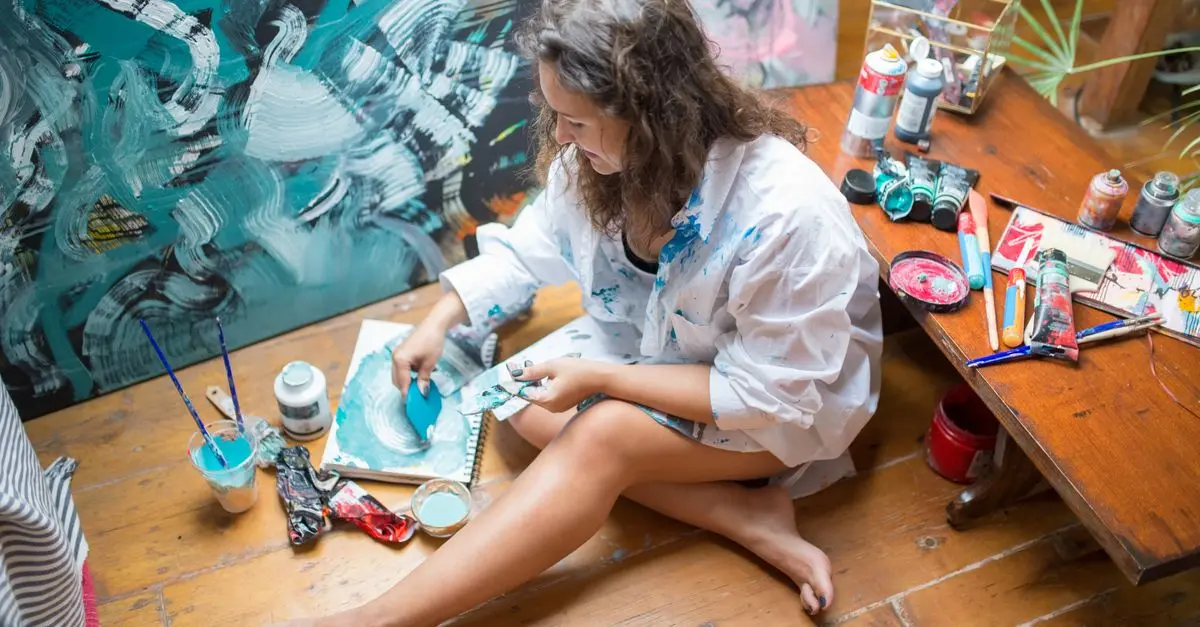
- Organize Your Space: Set up a clutter-free area dedicated to your art. This should include all necessary materials, tools, and a comfortable place to work. Your space should inspire creativity, be it a bright studio or a cozy corner of your home.
- Inspiration Board: Create a vision board filled with images, quotes, and colors that inspire you. This can serve as a constant reminder of your goals and aspirations.
- Routine: Schedule regular sessions in your chosen space. Having a disciplined routine can help solidify a creative workflow.
5. Showcase Your Work
Once you feel comfortable with your creations, showcasing your work can be a vital step in your evolution as an artist. It allows you to connect with an audience and receive valuable exposure.
- Build a Portfolio: Start compiling your best works into a portfolio. This can be physical or digital, but it should represent your strongest abilities and the style you aim to establish.
- Utilize Social Media: Platforms like Instagram and Pinterest are excellent for displaying your art and connecting with other artists and audiences worldwide.
- Exhibitions: Participate in local exhibitions or art fairs. Networking in person can lead to opportunities for galleries or collaborations with other artists.
6. Embrace the Journey
Finally, remember that the journey of becoming an artist is ongoing. Embrace the process and be kind to yourself in the learning stages.
- Reflect on Progress: Regularly assess your growth and celebrate milestones, no matter how small. This can include finishing a piece you're proud of or learning a new technique.
- Stay Curious: Allow your interests to lead you. Don't hesitate to explore beyond your current style or medium; exploration fosters creativity.
- Avoid Perfectionism: Focus on the development process rather than achieving perfection instantly. Art is about expression, not just execution.


Deacon Jones Foundation - Arizona Cardinals "The Game" Fine Art Canvas Print 26" x 40" by Artist Jason Robichau
bestbuy.com
📺 For more inspiration:
Check out videos on YouTube that cover tips for artists and techniques that can help you enhance your skills. Search: "how to unleash creativity in your art practice".
Checklist for Aspiring Artists
- [ ] Identify your preferred art medium
- [ ] Set a daily practice schedule
- [ ] Seek feedback regularly
- [ ] Create an inspiring workspace
- [ ] Build a portfolio
- [ ] Showcase your art online
- [ ] Reflect on your creative journey
Glossary
| Terme | Définition |
|---|---|
| Medium | Le matériel ou la technique employée pour créer de l'art. |
| Portfolio | Une collection de travaux d'art qui représente le style et la compétence d'un artiste. |
| Critique | Un retour d'observation sur l'art d'une autre personne, souvent constructif et destiné à améliorer. |
> 💡 Avis d'expert : Créer un espace de travail dédié est souvent cité par les artistes comme l'un des moyens les plus efficaces d'améliorer leur créativité, car cela favorise la concentration et l'inspiration.
Quiz rapide :
> 🧠 Quelle est l'importance d'établir une pratique quotidienne en tant qu'artiste ?
> - A) Cela augmente le stress
> - B) Cela permet d'acquérir des compétences
> - C) Cela prend trop de temps
> Réponse : B — Établir une pratique quotidienne permet d'améliorer vos compétences et de développer votre style.
📺 Pour aller plus loin : The Creative Process: 3 steps to unlock your hidden potential sur YouTube
Recommended products
Selected by our experts


Bespoke Post x Connor Liljestrom Artist Tee, Smoke Break - Connor Liljestrom Official Shop Smoke Break Small Unisex
bespokepost.com