Table of Contents (16 sections)
As an aspiring artist, acquiring the right skills can significantly impact your journey in the creative world. These skills not only enhance your craft but also build your confidence in expressing yourself artistically. The following are essential skills that every aspiring artist should focus on to become proficient and recognized in their field.
1. Drawing and Sketching
Drawing is often considered the foundation of all artistic disciplines. It's essential for artists seeking to illustrate their ideas and concepts. Developing your drawing skills allows you to understand form, perspective, and anatomy better. Start by practicing basic shapes, then progress to more complex objects and figures. Consider attending workshops or using online resources to improve your techniques.
Statistical Insight: According to a 2025 survey by the National Endowment for the Arts, around 75% of successful artists cite drawing as their primary skill that propelled their careers.
2. Understanding Color Theory
Color theory is crucial for creating visually appealing art. Understanding how colors interact with each other can influence mood, depth, and perception in your work. Learn about the color wheel, complementary colors, and color harmony. Engaging in color mixing exercises can also enhance your capability to utilize color in your artwork effectively.
Tip: Experiment with different mediums, such as watercolors or acrylics, to see how colors behave in various applications.
3. Mastering Composition
Composition determines how elements within your artwork are arranged. Learning the principles of composition, such as the rule of thirds, balance, and focal points, can drastically improve the impact of your pieces. Consider analyzing famous artworks to understand how renowned artists effectively use composition to guide the viewer’s eye.
Expert Insight: Art instructor Julie Adams states, "Great composition not only attracts attention but keeps viewers engaged with the work."
4. Exploring Different Mediums
Experimenting with various artistic mediums can broaden your skillset and help you discover your unique style. Whether it’s oil, acrylic, charcoal, or digital painting, each medium offers different challenges and techniques. Allocate time to explore and familiarize yourself with at least three mediums to understand their respective advantages and limitations.
5. Art History Knowledge
Understanding art history provides context to your work and opens doors to inspiration. Knowledge of different art movements, styles, and methodologies allows you to reference and innovate based on past works. Attend exhibitions, read books, and engage with art communities to deepen your historical understanding.
6. Digital Art Skills
In the digital age, proficiency in digital art tools is invaluable for aspiring artists. Software like Adobe Photoshop, Illustrator, or Procreate can expand your creative possibilities. Start with basic tutorials to learn the software’s functionalities and gradually integrate these skills into your own artistic practice.
Data Insight: A 2025 report by the Digital Art and Design Institute noted that 60% of contemporary artists rely heavily on digital tools for their practice.
7. Time Management
Managing your time effectively is crucial for productivity. Aspiring artists often juggle multiple projects or may need to balance artistic pursuits with other responsibilities. Implementing time management techniques like the Pomodoro Technique or setting specific goals for each session can ensure consistent progress in your art practice.
8. Networking and Marketing
Building a network within the art community opens up opportunities for collaborations, exhibitions, and exposure. Attend local art events, join online forums, and utilize social media platforms to showcase your work. Developing a personal brand and knowing how to market your art can significantly enhance your career prospects.
9. Critique and Feedback
Learning to accept and give constructive criticism is a vital skill for any artist. Engaging with peers for constructive feedback helps refine your work and develop your artistic eye. Create a supportive circle of fellow artists who provide honest, constructive insights into each other’s work.
10. Emotional Resilience
The artistic journey is filled with challenges and rejections. Building emotional resilience enables you to cope with setbacks and remain motivated. Practice mindfulness or engage in activities outside of art to foster a well-rounded perspective that enhances your creative energy.
11. Patience and Perseverance
Art creation requires a blend of patience and perseverance. Many artists face creative blocks or slow progress. Cultivating these traits will help you continue developing your craft, even when the process feels difficult. Remember that every artist’s journey is unique, and growth takes time.
12. Continuous Learning
Finally, a commitment to lifelong learning is essential. Participate in workshops, follow online courses, and keep abreast of industry trends to ensure your skills remain relevant. The art world is continually evolving, and staying informed is crucial for your development as an artist.
Checklist for Aspiring Artists
- [ ] Practice drawing daily.
- [ ] Study color theory regularly.
- [ ] Analyze artworks for composition.
- [ ] Experiment with multiple mediums.
- [ ] Read art history books and articles.
- [ ] Learn a digital art tool this month.
- [ ] Utilize time management techniques.
- [ ] Network with fellow artists.
- [ ] Seek and provide critique actively.
- [ ] Build emotional resilience through practice.
By focusing on these essential skills for aspiring artists, you can steadily progress towards mastering your craft and making meaningful contributions to the art world.
Glossary
| Terme | Définition |
|-------|-----------|
| Composition | Arrangement of visual elements in a work of art. |
| Medium | Material used to create artwork, e.g., paint, charcoal. |
| Color Theory | Study of how colors interact and affect emotions. |
🧠 Quiz rapide : What is the key to artistic success?
- A) Drawing skills
- B) Networking
- C) Continuous learning
Réponse : C — Continuous learning ensures artists evolve and adapt.

M2 Beauté Quick-change Artists 3 Looks Black Nano Máscara 10g *
DocMorris FR (ex DoctiPharma FR)
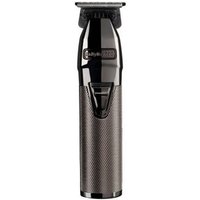

Babyliss Pro 4Artists Lo-proFX FX825E Base Clippers 1ut
DocMorris FR (ex DoctiPharma FR)
📺 Ressource Vidéo
Explore insightful techniques for artists in the video, "Mastering Composition in Art", available on YouTube. Search for: "how to improve art composition 2026".
📺 Pour aller plus loin : how to improve art composition 2026 sur YouTube
Recommended products
Selected by our experts
M2 Beauté Quick-change Artists 3 Looks Black Nano Máscara 10g *
DocMorris FR (ex DoctiPharma FR)
This product can aid aspiring artists in achieving flawless makeup looks, essential for presenting a polished image at art events.
Babyliss Pro 4Artists Foilfx02 Silver 1ud
DocMorris FR (ex DoctiPharma FR)
A tool for precision that artists might need for detailed craftsmanship in their artworks.
Babyliss Pro 4Artists Lo-proFX FX825E Base Clippers 1ut
DocMorris FR (ex DoctiPharma FR)
Clippers are an essential tool for artists requiring clean grooming—important for appearing professional in public engagements.