Table of Contents (21 sections)
Becoming an artist is an enriching journey that goes beyond mere creativity. Mastering your artistic skills involves understanding techniques, honing your craft, and developing your unique voice. In this comprehensive guide, we will explore essential artistic skills every aspiring artist should master. These techniques not only improve your artwork but also help you express your individuality as a creator.
1. Understanding the Fundamentals of Art
Why Fundamentals Matter
Before diving into advanced techniques, it’s crucial to grasp the fundamentals of art. This includes color theory, composition, line quality, and perspective. Understanding these principles forms the groundwork upon which all successful artworks are built.
For example, color theory dictates how colors interact with each other, affecting the mood and readability of your work. A well-composed piece will draw the viewer's eye to key areas, enhancing its impact. As noted by the Royal Academy of Arts, artists who invest time mastering these fundamentals tend to create more compelling and coherent artworks.
Tips for Mastery
- Take Online Courses: Platforms like Skillshare and Coursera offer courses on art fundamentals.
- Practice Daily: Set aside time each day to sketch and experiment with different techniques.
- Seek Feedback: Join art communities such as DeviantArt or Reddit’s art subreddits for constructive criticism.
2. Developing Your Drawing Skills
Step-by-Step Drawing Techniques
Drawing is often the foundation of artistic skills. It allows you to visualize ideas and can significantly enhance your observation skills. To develop your drawing capabilities, follow these steps:
- Start with Basic Shapes: Begin by drawing simple shapes like circles and squares to build your confidence.
- Practice Proportions: Use reference images to practice the proportions of human figures and objects.
- Experiment with Styles: Try different art styles such as realism, abstraction, or cartooning to discover what resonates with you.
Common Mistakes to Avoid
- Rushing Your Sketches: Take your time to refine and perfect your lines.
- Neglecting Anatomy: If drawing people, spend time studying human anatomy to improve accuracy.
Pro Tip: Use drawing apps on tablets for on-the-go practice.
3. Exploring Painting Techniques
Techniques to Master
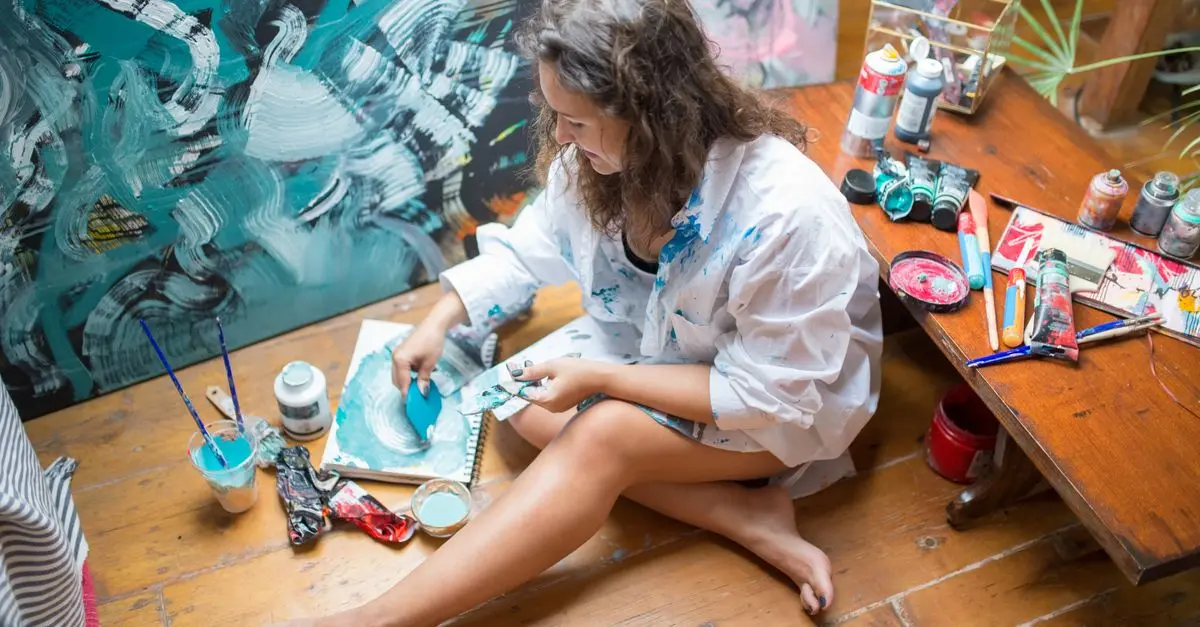
Once you are comfortable with drawing, the next step is exploring painting. Mastering different painting techniques can transform your artwork:
- Acrylic Techniques: Learn brush manipulation and layering techniques to create depth.
- Watercolor: Explore wet-on-wet and dry brush for varied effects.
- Oil Painting: Understand the properties of oils for blending and texture.
Resources for Learning
- YouTube Tutorials: Channels like ‘The Art of Manliness’ offer great insights into painting techniques.
- Local Workshops: Attend workshops or classes in your area to practice hands-on in a community setting.
4. Composing Your Artwork
Importance of Composition
Composition determines how the elements in your artwork are arranged. A strong composition can evoke emotions and direct the viewer’s attention effectively. Here are some tips:
- Rule of Thirds: Divide your canvas into thirds to place focal points naturally.
- Leading Lines: Use lines to guide the viewer's eye into the piece.
- Color Balance: Make sure the colors complement each other to prevent any one element from dominating.
Analyzing Successful Compositions
Look at famous artworks or pieces by emerging artists to analyze their composition. This practice helps to inform and inspire your work.
5. Developing Your Unique Artistic Voice
Finding Your Style
Your unique artistic voice sets you apart. It is not about fitting into a trend but creating a personal expression of your thoughts and feelings. Here’s how to develop it:
- Explore Various Techniques: Experiment with different materials and methods to see what feels intuitive.
- Art Journal: Keep a journal where you can sketch ideas and document your artistic journey.
- Reflect on Your Influences: Identify artists and styles that inspire you and incorporate elements of them into your work.
Avoiding Pitfalls
Don’t get overly influenced by popular trends that may dilute your voice. Stay true to your artistic self and push boundaries.
📺 Resource Video
> 📺 For deeper insights: Watch Mastering Artistic Techniques: From Fundamentals to Unique Styles, a comprehensive exploration of artistic skills. Search on YouTube for: artistic skills tutorial 2026.
Checklist Before You Begin
- [ ] Take a fundamentals art course.
- [ ] Daily practice drawing and sketching.
- [ ] Explore various painting techniques.
- [ ] Study and analyze artworks for composition.
- [ ] Keep an art journal for reflections and sketches.
Glossary
| Term | Definition |
|---|---|
| Color Theory | The study of how colors interact and influence perception. |
| Composition | The arrangement of visual elements in a piece of art. |
| Artistic Voice | The unique style and perspective that an artist develops. |
Conclusion
Mastering your artistic skills takes dedication and a willingness to learn. By following these structured steps, you can enhance your creative abilities and develop your unique artistic voice. Remember to practice regularly and engage with fellow artists to continuously grow and gain inspiration. Embrace your journey as an artist, and let your skills shine!
📺 Pour aller plus loin : artistic skills tutorial 2026 sur YouTube